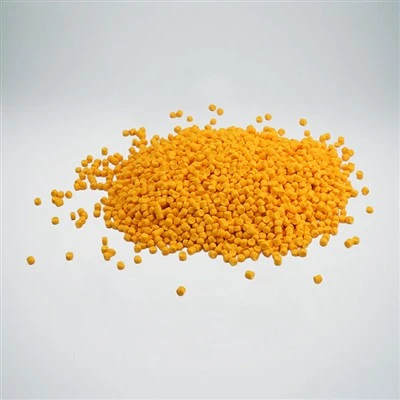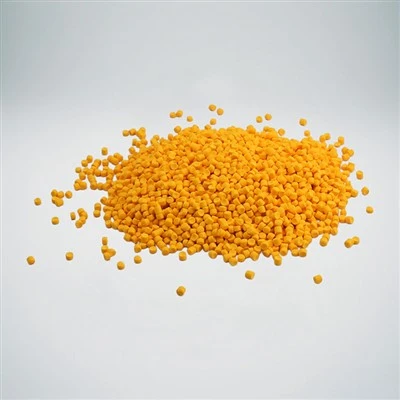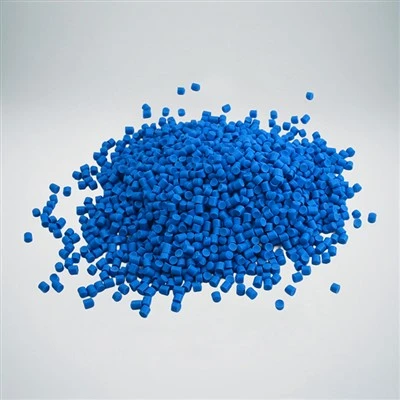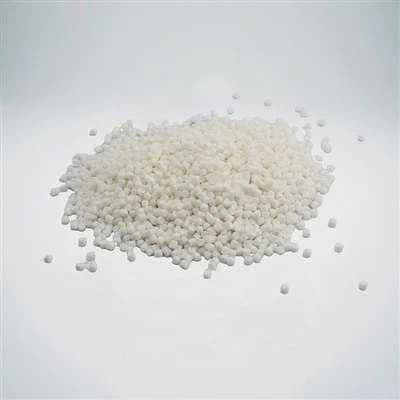

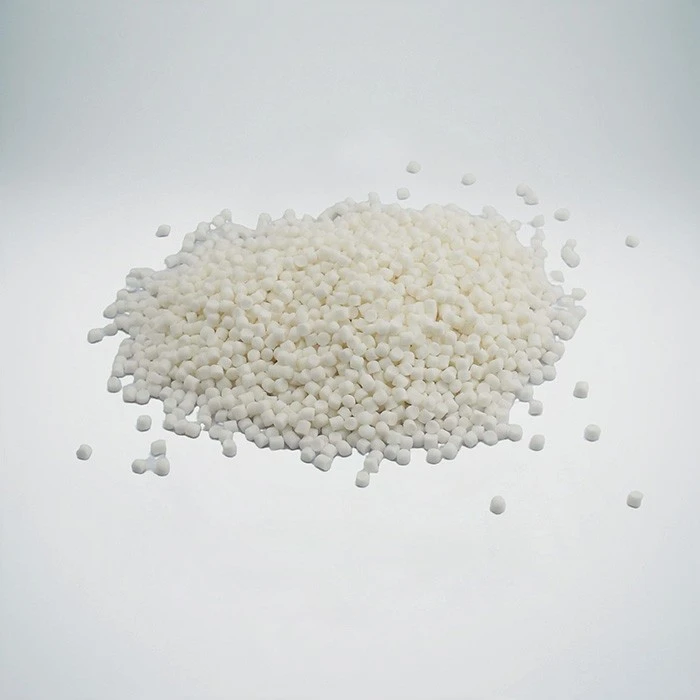
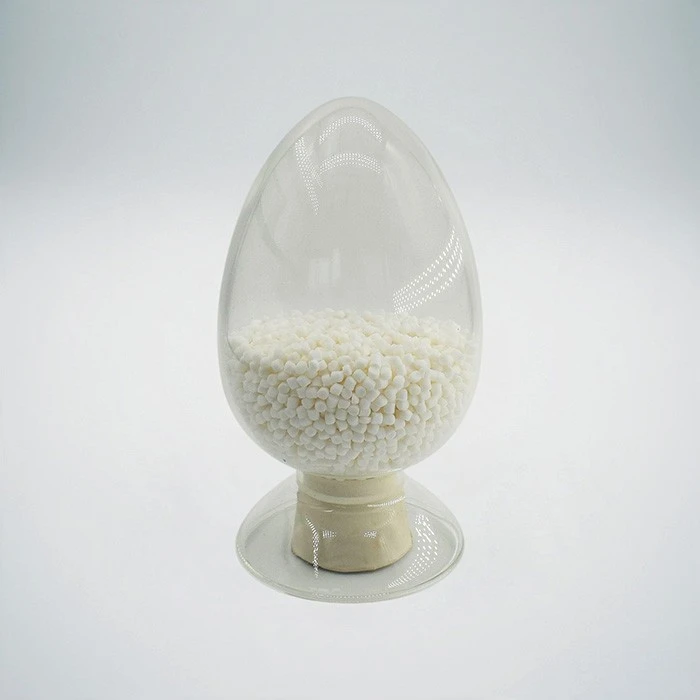
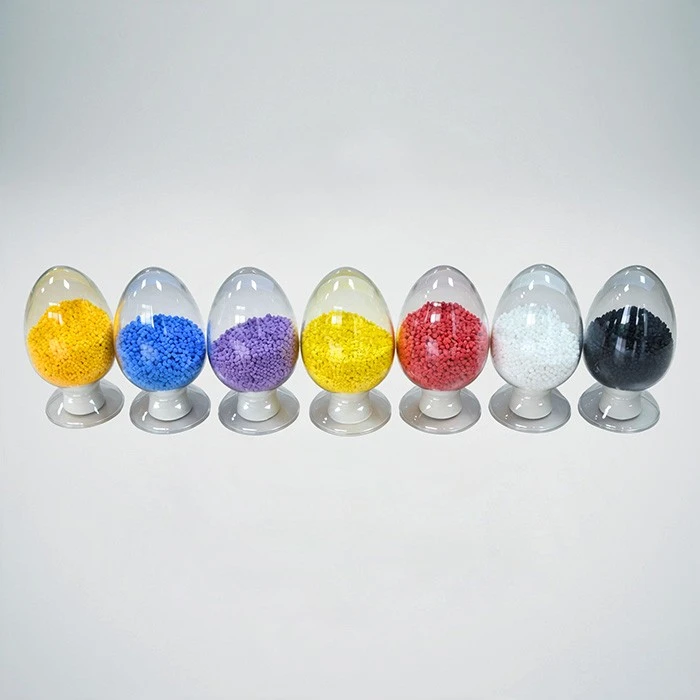
Product Overview
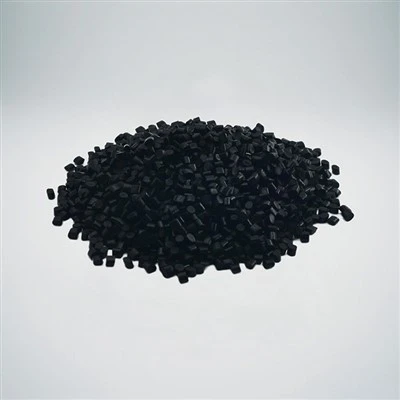
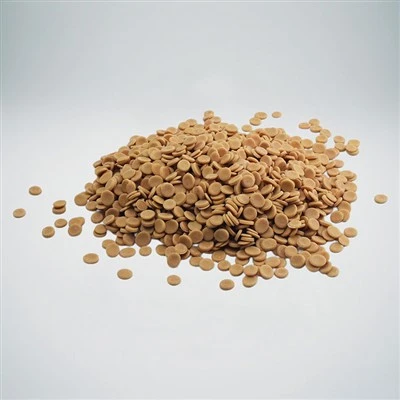
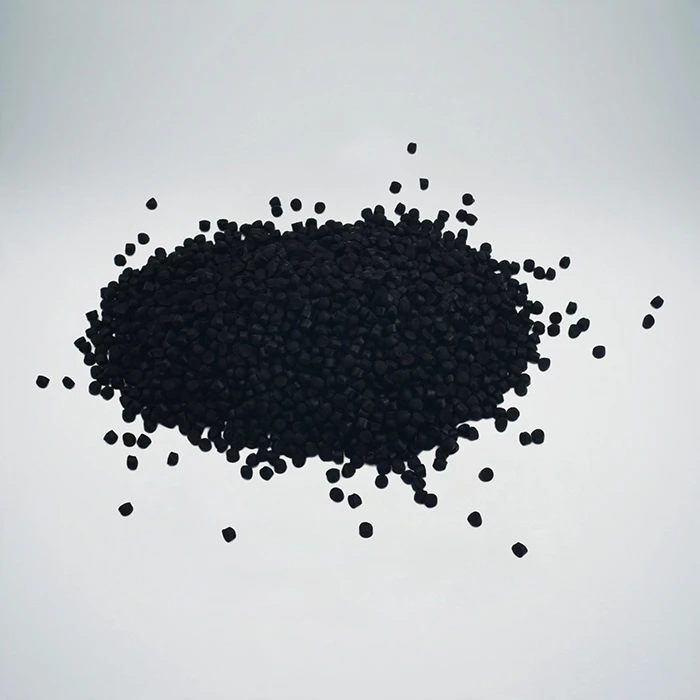
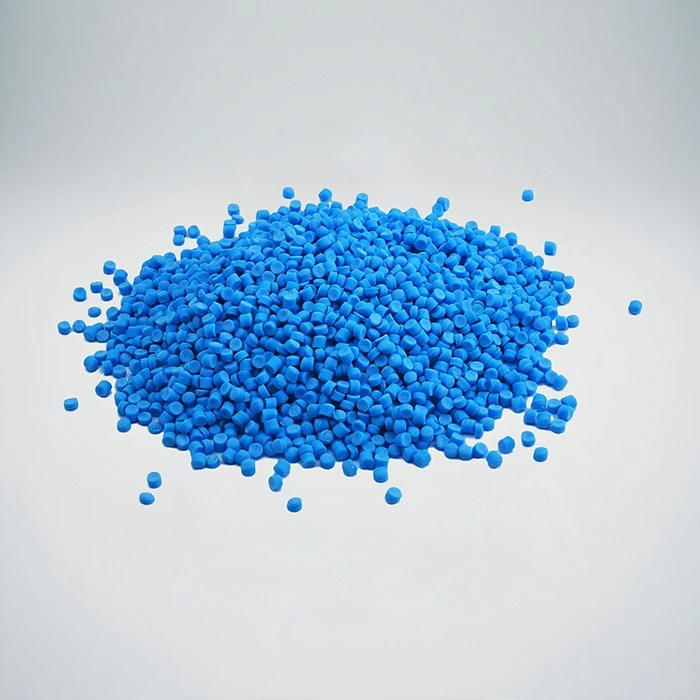
The EPC9052 series is a five-grade EN 50264 railway cable compound family for rolling-stock cable insulation and sheathing. The series combines irradiation crosslinking with LSZH / HFFR material positioning, while each grade is assigned to a specific EN 50264 class and cable-layer function.
Grade selection is straightforward: first confirm whether the material is used for insulation or sheathing, then match the required EN 50264 class and oil-resistance requirement. This single series page allows engineers and buyers to compare all five grades without moving between multiple similar product pages.
Choose the Right Grade
|
Grade |
EN 50264 Class |
Cable Layer |
Key Difference |
Best Fit |
|
EPC9052 |
EI105 / EI110 |
Insulation |
Non-oil-resistant |
Standard railway insulation |
|
EPC9052-I |
EI101 / EI102 |
Insulation |
Mineral-oil resistant |
Oil-resistant insulation |
|
EPC9052-II |
EI103 / EI104 |
Insulation |
Mineral + fuel-oil tests |
Dual-oil-resistant insulation |
|
EPC9052-M |
EM101 / EM102 |
Sheathing |
Single-layer sheath |
Railway cable outer sheath |
|
EPC9052-MM |
EM103 / EM104 |
Sheathing |
Dual-layer sheath |
Double-sheath construction |
Series Highlights
- Five EN 50264 grades covering both railway cable insulation and sheathing
- 0 ppm typical halogen content listed across all five grades
- Mineral-oil and fuel-oil resistant options available within the family
- Low-temperature performance data for insulation and sheath constructions
- Recommended electron-beam irradiation dose: 10-12 MRad
Typical Applications
- Rolling-stock cable insulation
- Locomotive and railway-vehicle wiring
- Oil-resistant railway cable insulation
- Single-layer railway cable sheath
- Dual-layer railway cable sheath
- Irradiation-crosslinked LSZH railway cable constructions
Grade Selection by Cable Design
Insulation Grades
|
Grade |
Class |
Resistance Position |
Selection Note |
|
EPC9052 |
EI105 / EI110 |
Non-oil-resistant |
Use for standard railway insulation where oil resistance is not the main requirement. |
|
EPC9052-I |
EI101 / EI102 |
Mineral-oil resistant |
Use when the insulation requires mineral-oil resistance. |
|
EPC9052-II |
EI103 / EI104 |
Mineral + fuel-oil |
Use when both mineral-oil and fuel-oil exposure must be considered. |
Sheathing Grades
|
Grade |
Class |
Construction |
Selection Note |
|
EPC9052-M |
EM101 / EM102 |
Single-layer sheath |
Use for standard outer sheath constructions. |
|
EPC9052-MM |
EM103 / EM104 |
Dual-layer sheath |
Use for double-sheath / dual-layer railway cable constructions. |
Key Performance Differences
EPC9052: Base insulation route; 42% low-temperature elongation at -25°C.
EPC9052-I: Adds 100°C × 24 h mineral-oil immersion data; post-oil 10.0 MPa / 221%.
EPC9052-II: Adds fuel-oil test coverage at 70°C × 168 h; post-test 9.7 MPa / 203%.
EPC9052-M: Single-layer sheathing with 33% low-temperature elongation at -40°C.
EPC9052-MM: Dual-layer sheathing with 36% low-temperature elongation at -40°C.
What to Confirm Before Sampling
- Target EN 50264 class
- Insulation or sheathing function
- Single-layer or dual-layer cable construction
- Mineral-oil and/or fuel-oil exposure requirement
- Operating and low-temperature requirement
Technical Data - 5 Grade Comparison.
|
Test Item |
EPC9052 |
EPC9052-I |
EPC9052-II |
EPC9052-M |
EPC9052-MM |
Test Method |
|
Density |
1.56 g/cm³ |
1.56 g/cm³ |
1.56 g/cm³ |
1.56 g/cm³ |
1.56 g/cm³ |
ISO 1183-1 |
|
Melt Index |
3.1 g/10 min |
3.0 g/10 min |
3.0 g/10 min |
3.0 g/10 min |
3.0 g/10 min |
ISO 1133 (b) |
|
Tensile Strength |
13.1 MPa |
13.0 MPa |
12.9 MPa |
13.3 MPa |
12.9 MPa |
IEC 60811-1-1 |
|
Elongation at Break |
180% |
183% |
181% |
185% |
190% |
IEC 60811-1-1 |
|
Aging Test |
120°C × 240 h |
120°C × 240 h |
120°C × 240 h |
120°C × 240 h |
120°C × 240 h |
IEC 60811-1-2 |
|
Tensile Strength after Aging |
14.2 MPa |
14.3 MPa |
14.7 MPa |
14.9 MPa |
14.4 MPa |
IEC 60811-1-2 |
|
Elongation after Aging |
170% |
171% |
168% |
176% |
168% |
IEC 60811-1-2 |
|
Oxygen Index |
34% |
34% |
34% |
34% |
34% |
ISO 4589-2 |
|
Smoke Density - Flaming |
47 |
48 |
55 |
50 |
48 |
ASTM E-662 |
|
Smoke Density - Non-Flaming |
155 |
158 |
168 |
148 |
152 |
ASTM E-662 |
|
Toxicity Index |
2.9 |
2.8 |
2.9 |
2.8 |
2.8 |
EN 50305 |
|
Hardness |
Shore A 96 |
Shore A 96 |
Shore A 96 |
Shore A 96 |
Shore A 96 |
ASTM D2240 |
|
Low-Temperature Bending @ -25°C |
Pass |
Pass |
Pass |
Pass |
Pass |
IEC 60811-1-4 |
|
Low-Temperature Elongation |
42% @ -25°C |
43% @ -25°C |
45% @ -25°C |
33% @ -40°C |
36% @ -40°C |
IEC 60811-2-1 |
|
Thermal Shock @ 150°C |
Pass |
Pass |
Pass |
Pass |
Pass |
IEC 60811-3-1 |
|
Halogen Content |
0 ppm |
0 ppm |
0 ppm |
0 ppm |
0 ppm |
IEC 60754 |
|
pH |
6.1 |
6.1 |
6.1 |
6.1 |
6.1 |
IEC 60754 |
|
Conductivity |
1 μS/mm |
1 μS/mm |
1 μS/mm |
1 μS/mm |
1 μS/mm |
IEC 60754 |
|
Volume Resistivity |
1.5 × 10¹² Ω·m |
1.2 × 10¹² Ω·m |
1.9 × 10¹² Ω·m |
2.2 × 10¹² Ω·m |
1.7 × 10¹² Ω·m |
IEC 60093 |
|
Heat Extension @ 200°C × 15 min |
25% |
25% |
25% |
25% |
25% |
IEC 60811-2-1 |
|
Permanent Deformation |
5% |
5% |
5% |
5% |
5% |
IEC 60811-2-1 |
|
Ozone Resistance |
25°C × 3 h, Pass |
25°C × 3 h, Pass |
25°C × 3 h, Pass |
25°C × 3 h, Pass |
25°C × 3 h, Pass |
GB/T 2951.5 |
|
Acid Resistance |
23°C × 168 h, Pass |
23°C × 168 h, Pass |
23°C × 168 h, Pass |
23°C × 168 h, Pass |
23°C × 168 h, Pass |
EN 50305 |
|
Oil Immersion |
-- |
100°C × 24 h |
100°C × 24 h |
100°C × 24 h |
100°C × 24 h |
IEC 60811-2-1 |
|
Tensile Strength after Oil Immersion |
-- |
10.0 MPa |
10.0 MPa |
10.0 MPa |
10.0 MPa |
IEC 60811-2-1 |
|
Elongation after Oil Immersion |
-- |
221% |
221% |
221% |
221% |
IEC 60811-2-1 |
|
Fuel Oil Immersion |
-- |
-- |
70°C × 168 h |
70°C × 168 h |
70°C × 168 h |
IEC 60811-2-1 |
|
Tensile Strength after Fuel Oil |
-- |
-- |
9.7 MPa |
-- |
-- |
IEC 60811-2-1 |
|
Elongation after Fuel Oil |
-- |
-- |
203% |
-- |
-- |
IEC 60811-2-1 |
Note: Values are typical material data from the supplied product documents. Final EN 50264 suitability must be verified on the finished cable construction.
Recommended Extrusion & Irradiation Conditions
|
Zone 1 |
Zone 2 |
Zone 3 |
Zone 4 |
Zone 5 |
Neck |
Head |
Mould |
|
100°C |
110°C |
125°C |
135°C |
150°C |
155°C |
160°C |
165°C |
Processing Guidelines
- Process on conventional PVC/PE cable extrusion equipment.
- Keep melt temperature below 165°C and do not exceed 175°C.
- A low-compression screw and head are recommended; compression ratio approximately 1:1.2.
- Recommended electron-beam irradiation dose: 10-12 MRad.
- No additional drying is normally required when packaging is intact. After prolonged humid storage, dry at about 70°C for 4 hours.
- Natural material can be colored; matching masterbatches can be supplied.
Finished-Cable Validation
EN 50264 performance is determined by the complete cable construction, not by raw compound data alone. After extrusion and irradiation, the finished cable should be evaluated against the applicable EN 50264 class and the project's mechanical, low-temperature, oil-resistance and flame-related requirements.
Free Sample & Technical Support
For faster evaluation, please provide the EN 50264 class, cable layer, wall thickness, oil-resistance requirement, temperature requirement, extrusion-line information and irradiation conditions. Samples can be supplied for extrusion, irradiation and finished-cable testing.
Buyer / Engineer Selection Shortcut
|
Requirement |
Recommended Grade |
|
EI105 / EI110 standard insulation |
EPC9052 |
|
EI101 / EI102 mineral-oil-resistant insulation |
EPC9052-I |
|
EI103 / EI104 mineral + fuel-oil-resistant insulation |
EPC9052-II |
|
EM101 / EM102 single-layer sheathing |
EPC9052-M |
|
EM103 / EM104 dual-layer sheathing |
EPC9052-MM |
FAQ
1. What products are included in the EPC9052 EN 50264 railway series?
The series includes EPC9052, EPC9052-I, EPC9052-II, EPC9052-M and EPC9052-MM, covering insulation and sheathing classes from EI101-EI110 and EM101-EM104.
2. Which grade is used for EI105 / EI110 railway insulation?
EPC9052 is the non-oil-resistant insulation grade for EN 50264 EI105 / EI110.
3. Which grade is used for EI101 / EI102 oil-resistant insulation?
EPC9052-I is the mineral-oil-resistant insulation grade for EN 50264 EI101 / EI102.
4. Which grade is used for EI103 / EI104?
EPC9052-II is positioned for EI103 / EI104 and includes both mineral-oil and fuel-oil test data.
5. Which grade is used for EM101 / EM102 sheathing?
EPC9052-M is the single-layer railway cable sheathing grade for EN 50264 EM101 / EM102.
6. Which grade is used for EM103 / EM104 dual-layer sheathing?
EPC9052-MM is the dual-layer railway cable sheathing grade for EN 50264 EM103 / EM104.
7. Are all five grades irradiation-crosslinked?
Yes. The supplied catalogue recommends 10-12 MRad as the starting electron-beam irradiation range for the series.
8. Are the EPC9052 railway grades halogen-free?
The supplied technical data for all five grades lists typical halogen content of 0 ppm.
9. What low-temperature options are available?
The insulation grades include low-temperature elongation data at -25°C, while the sheathing grades include low-temperature elongation data at -40°C. Exact values are shown in the technical comparison table.
10. Can Opta provide samples and grade-selection support?
Yes. Samples and technical support can be provided for extrusion, irradiation and finished-cable evaluation. Providing the required EN 50264 class and cable construction will help identify the correct grade quickly.
Hot Tags: en 50264 railway cable compounds, China en 50264 railway cable compounds manufacturers, suppliers, factory, EN 50264 EM103 cable compound, EN 50264 railway cable sheathing compound