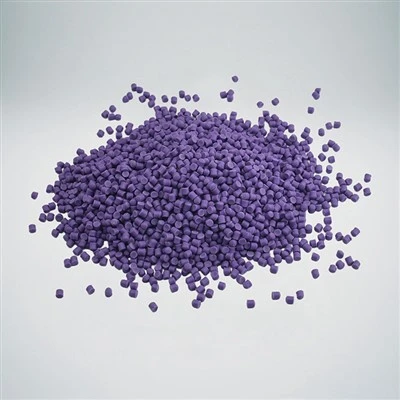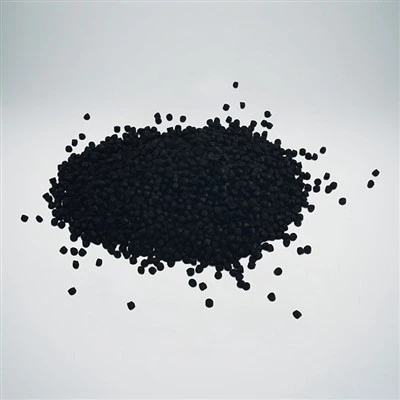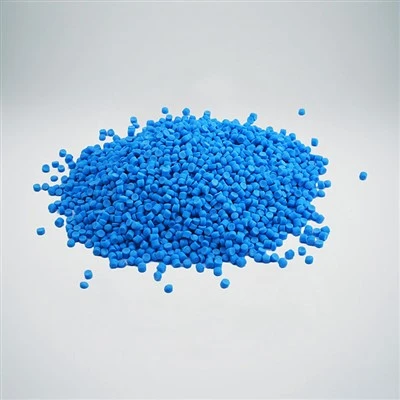

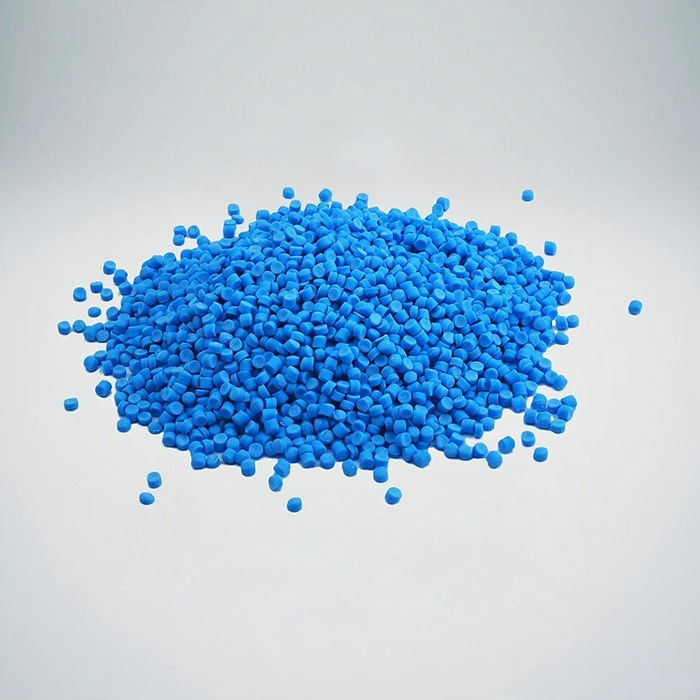
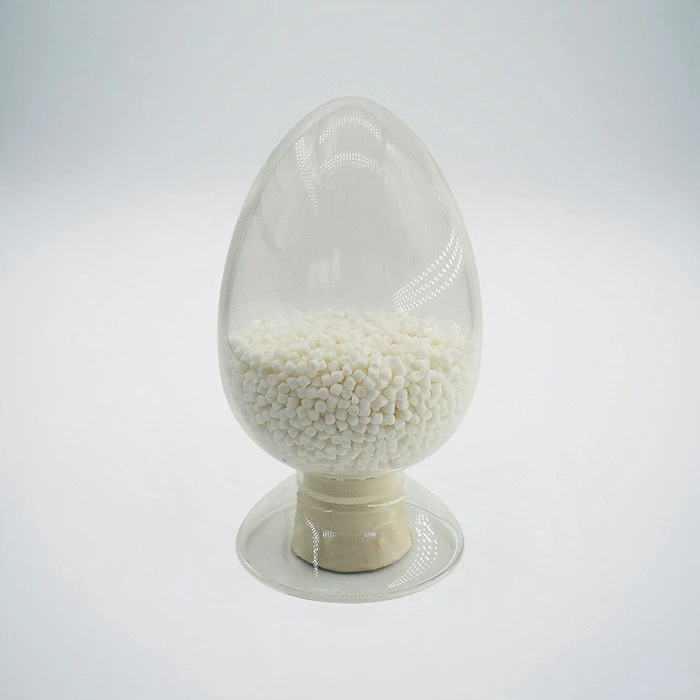
|
Item |
EPC6907 |
|
Product Type |
Thermoplastic LSZH / HFFR marine cable compound |
|
Marine Route |
IEC 60092-359 SHF1 product requirements |
|
Material Structure |
Thermoplastic; no post-extrusion irradiation |
|
Typical Mechanical Data |
12.6 MPa tensile strength • 220% elongation |
|
Oxygen Index |
35% |
|
Low Temperature |
-25°C impact: Pass |
|
Key Advantages |
SHF1 marine route • LSZH • Thermoplastic processing • Low smoke • Halogen-free |
Product Overview
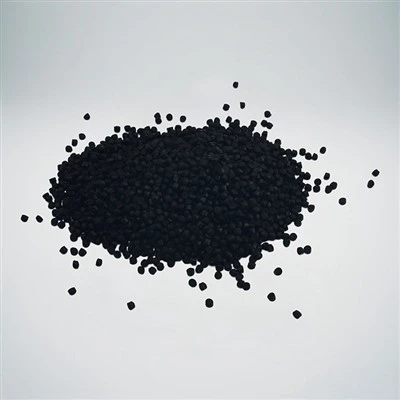
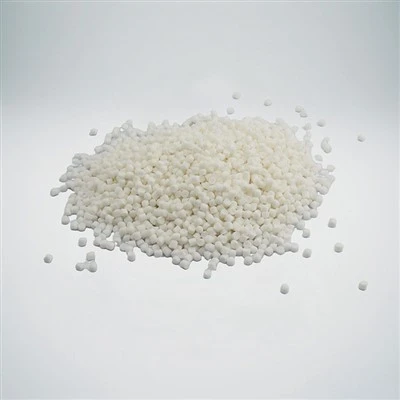
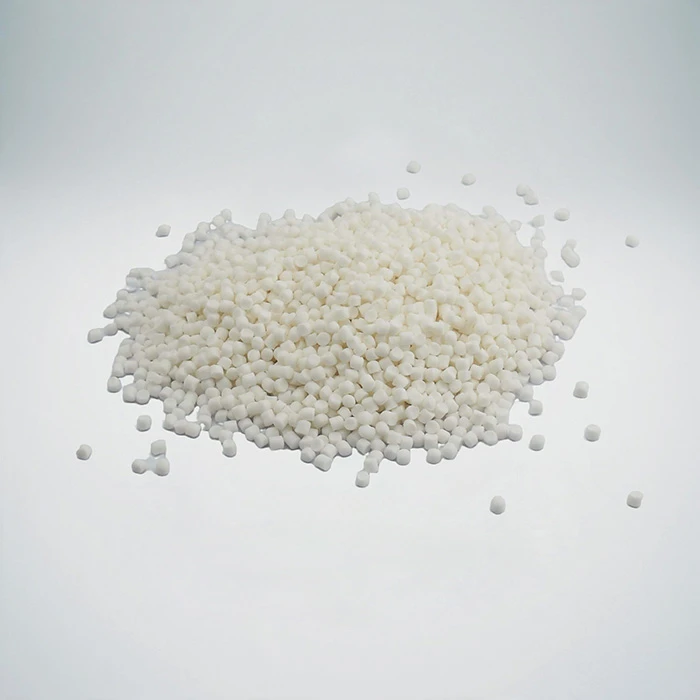
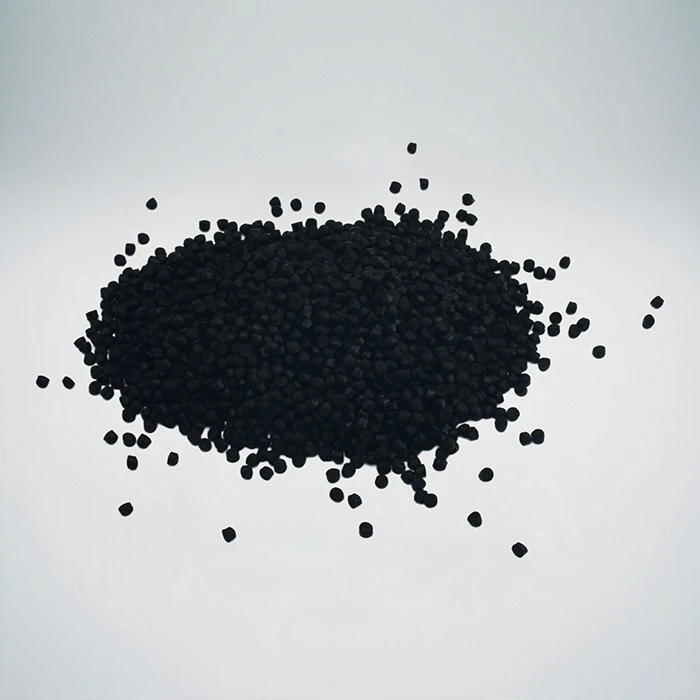
EPC6907 is an SHF1 LSZH Marine Cable Compound developed for thermoplastic low smoke zero halogen flame-retardant marine and shipboard cable applications. According to the supplied catalogue, EPC6907 can meet the SHF1 product requirements of IEC 60092-359.
As a thermoplastic grade, this SHF1 LSZH Marine Cable Compound does not require post-extrusion irradiation. It combines LSZH / HFFR characteristics with conventional extrusion processing, making it suitable for marine cable projects where the SHF1 thermoplastic route is specified.
Why Choose EPC6907?
1. IEC 60092-359 SHF1 Marine Route
EPC6907 is specifically positioned in the supplied marine cable catalogue for applications requiring IEC 60092-359 SHF1 product performance.
2. Thermoplastic Processing
Unlike irradiation-crosslinked SHF2 grades, EPC6907 is a thermoplastic material and does not require an electron-beam irradiation step after extrusion.
3. LSZH / HFFR Performance
Typical halogen content is 0 ppm, oxygen index is 35%, and the catalogue reports low smoke and toxicity-related data for marine cable evaluation.
4. Balanced Mechanical Properties
Typical tensile strength is 12.6 MPa and elongation at break is 220%, providing a balanced mechanical profile for marine cable constructions.
5. Low-Temperature & Thermal Performance
The catalogue reports passing results for low-temperature impact at -25°C and thermal shock at 150°C.
6. Straightforward Marine Grade Selection
EPC6907 provides a clear thermoplastic SHF1 option alongside EPC9052, the 105°C irradiation-crosslinked SHF2 route.
Typical Applications
- Shipboard cable constructions
- Marine electrical cables
- Vessel wiring systems
- Offshore and marine equipment cable projects subject to finished-cable verification
- Thermoplastic LSZH marine cable applications
- Projects requiring IEC 60092-359 SHF1 material performance
Technical Data - Marine / Shipboard SHF1 Application
|
Test Item |
Typical Value |
Test Method |
|
Density |
1.48 g/cm³ |
ISO 1183-1 |
|
Melt Index |
7.1 g/10 min |
ISO 1133 (b) |
|
Tensile Strength |
12.6 MPa |
IEC 60811-1-1 |
|
Elongation at Break |
220% |
IEC 60811-1-1 |
|
Aging Test |
100°C × 168 h |
IEC 60811-1-2 |
|
Tensile Strength after Aging |
14.2 MPa |
IEC 60811-1-2 |
|
Elongation after Aging |
191% |
IEC 60811-1-2 |
|
Oxygen Index |
35% |
ISO 4589-2 |
|
Smoke Density - Flaming |
56 |
ASTM E-662 |
|
Smoke Density - Non-Flaming |
190 |
ASTM E-662 |
|
Toxicity Index |
1 |
NES 713 |
|
Hardness |
Shore A 96 |
ASTM D2240 |
|
High-Temperature Pressure Test |
80°C × 4 h |
IEC 60811-3-1 |
|
Thermal Deformation |
10% |
IEC 60811-3-1 |
|
Low-Temperature Impact @ -25°C |
Pass |
IEC 60811-1-4 |
|
Thermal Shock @ 150°C |
Pass |
IEC 60811-3-1 |
|
Halogen Content |
0 ppm |
IEC 60754 |
|
pH |
6.2 |
IEC 60754 |
|
Conductivity |
0.8 μS/mm |
IEC 60754 |
|
Volume Resistivity |
1.3 × 10¹² Ω·m |
IEC 60093 |
Recommended Extrusion Conditions
|
Zone |
1 |
2 |
3 |
4 |
5 |
Neck |
Head |
Mould |
|
Temperature |
100°C |
110°C |
125°C |
135°C |
150°C |
155°C |
160°C |
165°C |
Processing Guidelines
- EPC6907 can be processed on conventional PVC/PE cable extrusion equipment.
- Keep melt temperature below 165°C and do not exceed 175°C.
- A low-compression screw and head are recommended; CR approximately 1:1.2.
- No additional drying is required when packaging is intact. After prolonged humid storage, dry at 70°C for 4 hours in a dehumidifying dryer.
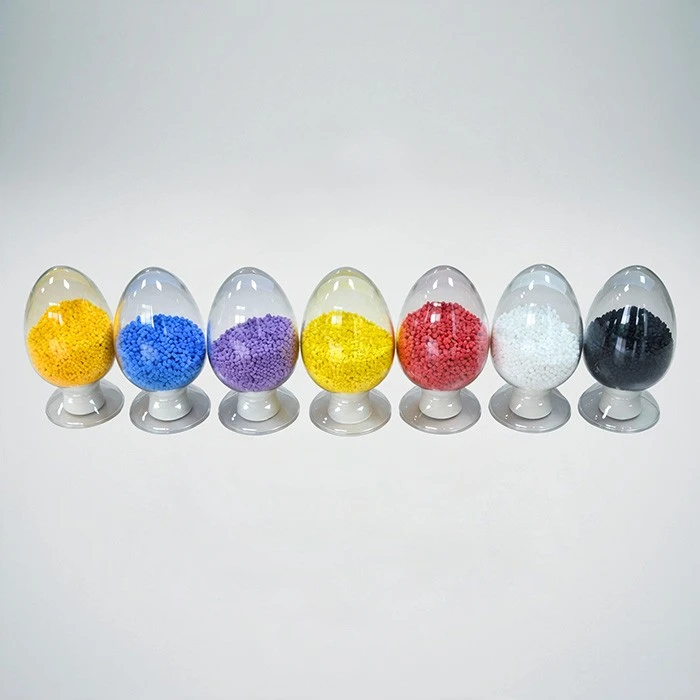
- Natural material can be colored; matching masterbatches can be supplied.
- Final marine cable suitability should be verified on the complete cable construction.
EPC6907 vs. EPC9052 for Marine Cables
|
Selection Point |
EPC6907 |
EPC9052 |
|
Marine Route |
IEC 60092-359 SHF1 |
IEC 60092-359 SHF2 |
|
Material Structure |
Thermoplastic |
Irradiation cross-linked |
|
Temperature Position |
General thermoplastic route |
105°C |
|
Post-Extrusion Irradiation |
Not required |
Required; 10–12 MRad |
|
Choose When |
SHF1 thermoplastic marine route is required |
SHF2 / cross-linked marine performance is required |
Free Sample & Technical Support
For faster grade selection and RFQ evaluation, please provide:
- Target marine / shipboard cable application
- Target standard and required SHF class
- Required cable layer and cable structure
- Conductor size and wall thickness
- Operating and low-temperature requirement
- Flame, smoke, toxicity and halogen requirements
- Extrusion equipment and line speed
- Color requirement
- Trial quantity and estimated annual volume
FAQ
Q: What is EPC6907?
A: EPC6907 is a thermoplastic LSZH / HFFR compound for marine and shipboard cable applications.
Q: Which marine requirement does EPC6907 meet?
A: According to the supplied catalogue, EPC6907 can meet the SHF1 product requirements of IEC 60092-359.
Q: Does EPC6907 require irradiation?
A: No. EPC6907 is a thermoplastic grade and does not require post-extrusion electron-beam irradiation.
Q: How is EPC6907 different from EPC9052?
A: EPC6907 follows the thermoplastic SHF1 marine route, while EPC9052 follows the 105°C irradiation-crosslinked SHF2 route.
Q: What are the typical mechanical properties?
A: Typical tensile strength is 12.6 MPa and elongation at break is 220%.
Q: What is the typical oxygen index?
A: The supplied marine data lists an oxygen index of 35%.
Q: Is EPC6907 halogen-free?
A: The supplied technical data lists halogen content of 0 ppm.
Q: What low-temperature performance is reported?
A: The supplied marine data reports passing low-temperature impact at -25°C.
Q: Can samples be supplied for marine cable trials?
A: Yes. Samples and processing guidance can be provided for extrusion and finished-cable evaluation.
Thermoplastic SHF1 LSZH Material for Marine Cable Projects
Send us your target SHF class, cable structure, operating requirements, extrusion conditions and estimated annual volume.
Hot Tags: shf1 lszh marine cable compound, China shf1 lszh marine cable compound manufacturers, suppliers, factory, 105 C Crosslinked Marine Cable Material, Anti Mold Naval Cable Sheath Compound, Crosslinkable Marine Cable Compound, Crosslinked HFFR Shipboard Cable Material, Irradiation Crosslinked Marine Cable Compound, SHF2 Shipboard Cable Compound