
|
Item |
EPC6907 |
|
Product Type |
Thermoplastic LSZH / HFFR cable sheathing compound |
|
Primary Role |
Cable outer sheath / jacket |
|
Core Positioning |
General-purpose thermoplastic LSZH sheathing |
|
Typical Applications |
Power • Building • Control • Industrial • Instrumentation • General Electrical Cables |
|
Key Advantages |
Good processability • Flame retardancy • Self-extinguishing • Crack resistance • Low heat shrinkage |
|
Processing |
Conventional PVC/PE extrusion equipment; no irradiation |
|
Halogen / Smoke |
Zero halogen / low smoke |
Product Overview
EPC6907 is a thermoplastic LSZH cable sheathing compound developed for cable outer jackets. It combines reliable extrusion processability, flame retardancy, self-extinguishing behavior, crack resistance and low heat shrinkage, making it a practical starting grade for a broad range of LSZH / HFFR cable constructions.
Typical applications include power, building, control, industrial and instrumentation cables. The grade is intended as a broad thermoplastic LSZH outer-jacket material where stable extrusion, flame retardancy, self-extinguishing behavior, crack resistance and low heat shrinkage are required.
Why Choose EPC6907?
1. Broad General-Purpose Sheathing Platform
A versatile thermoplastic LSZH outer-jacket grade for multiple cable types instead of one narrow application.
2. Reliable Thermoplastic Processing
Can be processed on conventional PVC/PE cable extrusion equipment without post-extrusion irradiation.
3. Crack-Resistant Sheath Performance
Designed to support jacket integrity during extrusion, installation and service.
4. Low Heat Shrinkage
Helps maintain dimensional stability of the finished cable sheath.
5. LSZH / HFFR Fire-Safety Positioning
Typical halogen content is 0 ppm, with low-smoke and flame-retardant characteristics for modern cable constructions.
6. Broad Cable-Jacket Applicability
Suitable for a broad range of general cable-jacket constructions, allowing cable manufacturers to use one thermoplastic LSZH sheath platform across multiple standard cable types.
General-Purpose Application Guide
|
Cable Scenario |
Why EPC6907 Fits |
What to Confirm |
|
Power & Building Cable Jackets |
General thermoplastic LSZH outer sheath with balanced processing and fire-safety performance |
Jacket thickness • flame target • operating temperature |
|
Control Cable Sheathing |
Crack resistance, low heat shrinkage and stable thermoplastic extrusion |
Cable OD • bend / installation conditions • finished-cable testing |
|
Industrial Cable Outer Jackets |
Broad LSZH / HFFR jacket platform for standard industrial cable constructions |
Mechanical exposure • flame requirement • extrusion conditions |
|
Instrumentation / General Electrical Cables |
Useful where a halogen-free low-smoke outer jacket with reliable processing is required |
Electrical cable construction • jacket thickness • end-use environment |
Recommended Extrusion Process Temperature
|
Zone |
Zone 1 |
Zone 2 |
Zone 3 |
Zone 4 |
Zone 5 |
Neck |
Head |
Mould |
|
Temperature |
100°C |
110°C |
125°C |
135°C |
150°C |
155°C |
160°C |
165°C |
Recommended Extrusion Conditions
- PC6907 can be processed on conventional PVC/PE cable extrusion equipment.
- Recommended melt temperature: below approximately 165°C; do not exceed 175°C according to the current processing guidance.
- A low-compression screw and head are recommended; compression ratio approximately 1:1.2.
- Adjust line speed, die design and cooling according to cable diameter, sheath thickness and surface quality.
- Normally no special drying is required with intact packaging; after prolonged humid storage, dry at approximately 70°C for 4 hours.
Technical Data Sheet
|
Test Item |
Typical Value |
Test Method |
|
Density |
1.48 g/cm³ |
ISO 1183-1 |
|
Melt Index |
7.1 g/10 min |
ISO 1133 (b) |
|
Tensile Strength |
12.6 MPa |
IEC 60811-1-1 |
|
Elongation at Break |
220% |
IEC 60811-1-1 |
|
Aging Condition |
110°C × 168 h |
IEC 60811-1-2 |
|
Tensile Strength after Aging |
14.2 MPa |
IEC 60811-1-2 |
|
Elongation after Aging |
191% |
IEC 60811-1-2 |
|
Oxygen Index |
35% |
ISO 4589-2 |
|
Smoke Density - Flaming |
56 |
ASTM E-662 |
|
Smoke Density - Non-Flaming |
210 |
ASTM E-662 |
|
Toxicity Index |
1 |
NES 713 |
|
Hardness |
97 Shore A |
ASTM D2240 |
|
High-Temperature Pressure Test |
90°C × 4 h |
IEC 60811-3-1 |
|
Thermal Deformation |
20% |
IEC 60811-3-1 |
|
Low-Temperature Impact @ -25°C |
Pass |
IEC 60811-1-4 |
|
Thermal Shock @ 130°C |
Pass |
IEC 60811-3-1 |
|
Halogen Content |
0 ppm |
IEC 60754 |
|
pH |
≥ 6.2 |
IEC 60754 |
|
Conductivity |
≤ 0.8 μS/mm |
IEC 60754 |
|
Volume Resistivity |
1.3 × 10¹² Ω·m |
IEC 60093 |
Key Selection Questions
As a Thermoplastic LSZH Cable Sheathing Compound, EPC6907 is intended for projects that need a thermoplastic LSZH outer sheath with balanced processing, flame-retardant performance, crack resistance and dimensional stability. Final suitability should be confirmed against the actual cable construction and finished-cable requirements.
|
Selection Point |
EPC6907 General-Purpose Positioning |
Customer Should Confirm |
|
Cable Layer |
Outer sheath / jacket |
Whether the requested material is for sheath rather than insulation or molding |
|
Main Priority |
Balanced processability + flame retardancy + crack resistance + low heat shrinkage |
Which property is most critical in the finished cable |
|
Processing Route |
Thermoplastic extrusion; no irradiation |
Extruder type, screw design, line speed and jacket thickness |
|
Temperature / Mechanical Use |
General cable-jacket service based on current material data |
Actual operating temperature, bending and installation conditions |
|
Final Validation |
Material data provides the starting point |
Finished-cable standard and customer/OEM specification |
FAQ
Q: What is EPC6907?
A: EPC6907 is a general-purpose thermoplastic LSZH / HFFR cable sheathing compound used as an outer jacket material for a broad range of cable constructions.
Q: What cable types can use EPC6907?
A: Typical routes include power, building, control, industrial, instrumentation and other general LSZH cable-jacket applications, subject to finished-cable validation.
Q: Is EPC6907 a specialty application grade?
A: No. EPC6907 is positioned here as a broad general-purpose thermoplastic LSZH sheathing grade for multiple standard cable-jacket applications.
Q: What are the main performance advantages of EPC6907?
A: Good processability, flame retardancy, self-extinguishing behavior, crack resistance, low heat shrinkage and zero-halogen / low-smoke positioning.
Q: Is EPC6907 halogen-free?
A: Yes. Typical halogen content in the supplied technical data is 0 ppm.
Q: What is the typical oxygen index?
A: The supplied product data lists a typical oxygen index of 35%.
Q: Does EPC6907 require irradiation?
A: No. EPC6907 is a thermoplastic extrusion grade and does not require post-extrusion electron-beam irradiation.
Q: What is the recommended extrusion temperature profile?
A: The supplied catalogue recommends approximately 100°C / 110°C / 125°C / 135°C / 150°C through the barrel zones, then 155°C neck, 160°C head and 165°C mould.
Q: What information should I provide for grade evaluation?
A: Please provide cable type, outer-jacket thickness, target flame and LSZH requirements, operating temperature, extrusion equipment and any mechanical-performance requirements.
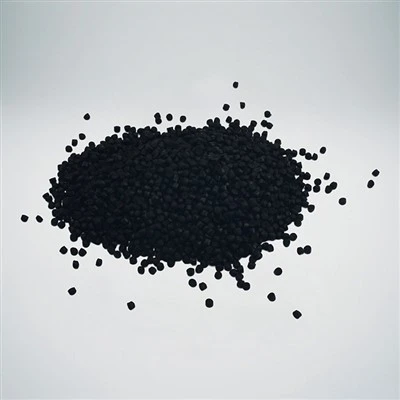
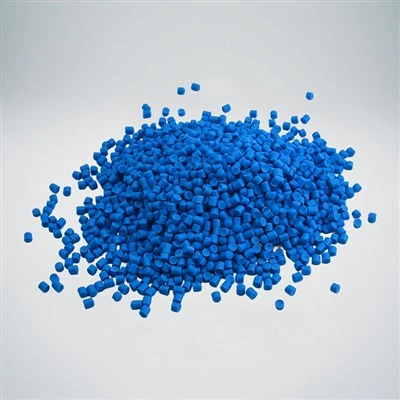
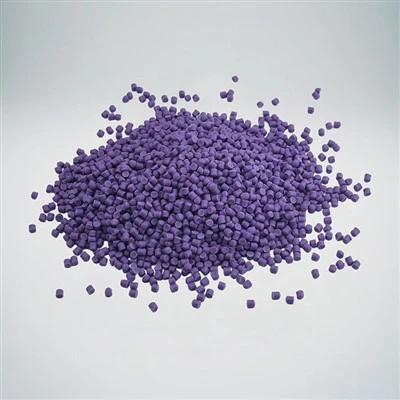
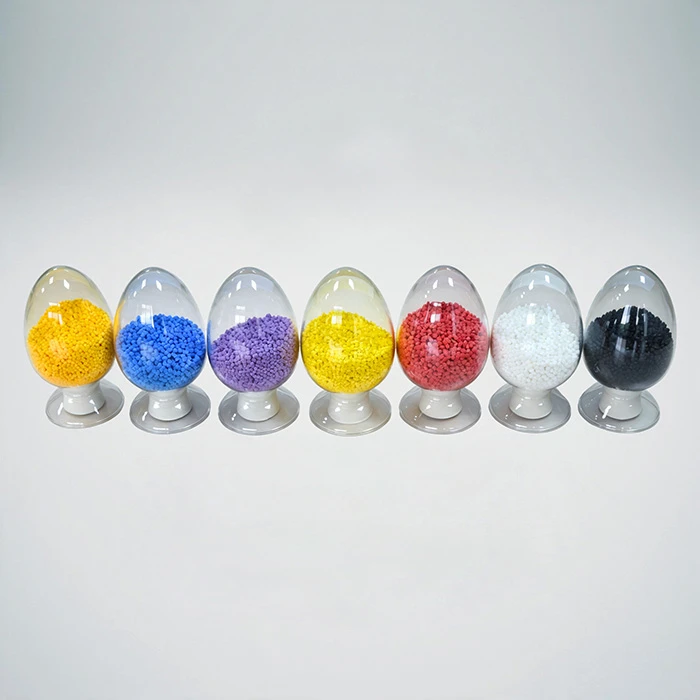
Q: Can EPC6907 be supplied in different colors?
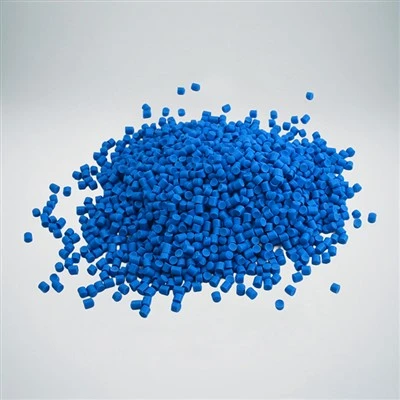
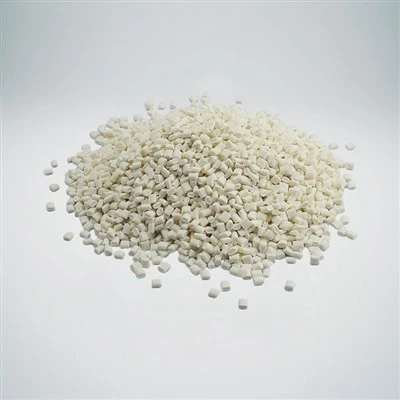
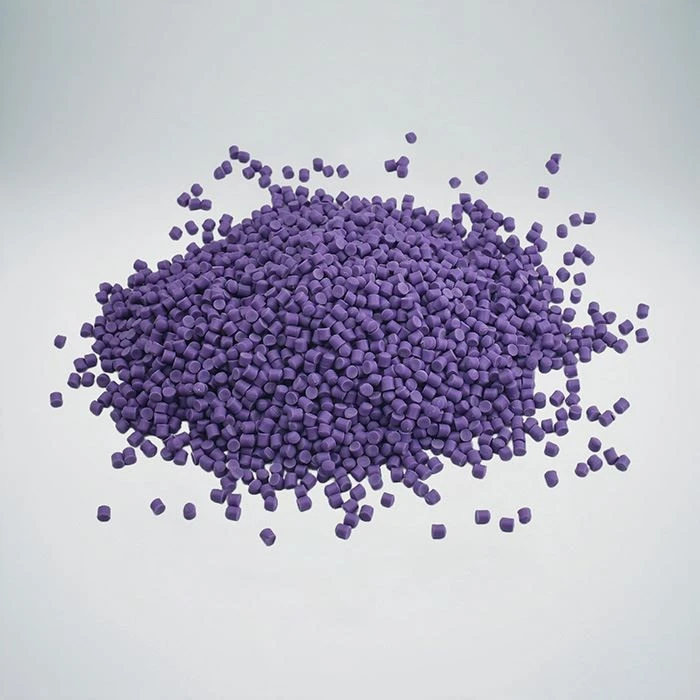
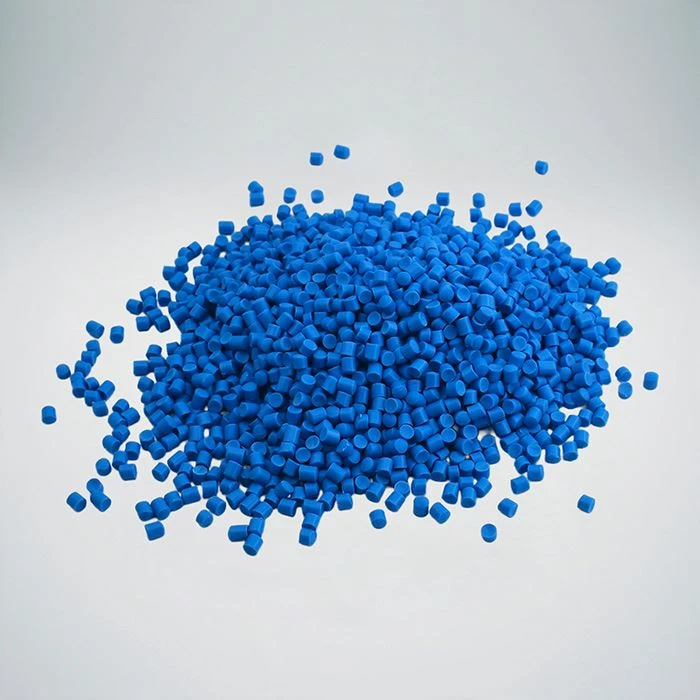
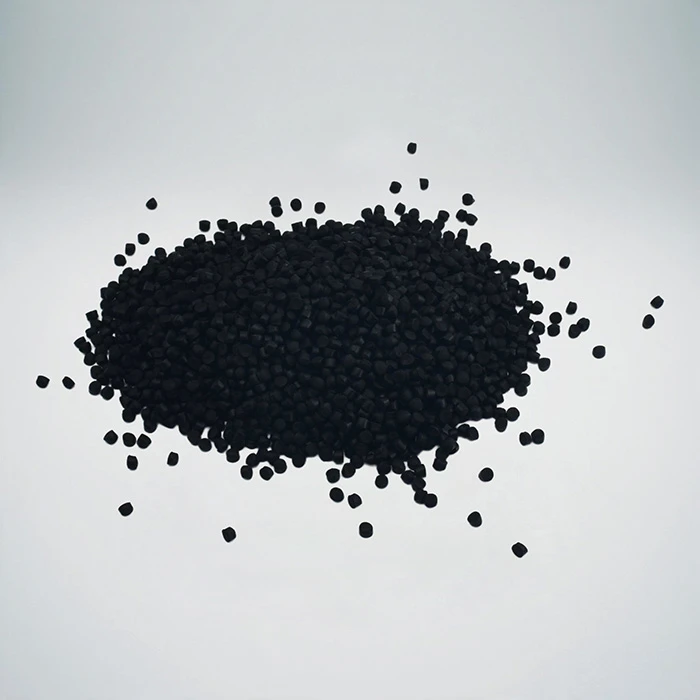
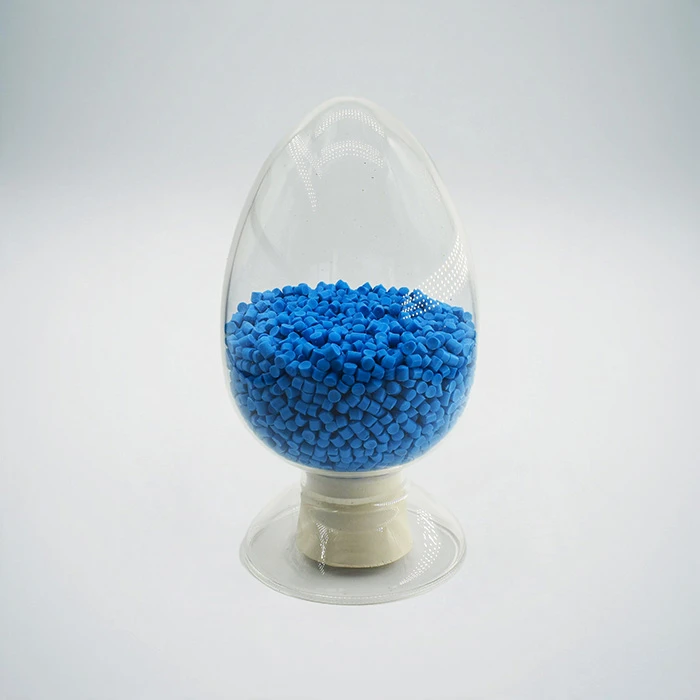
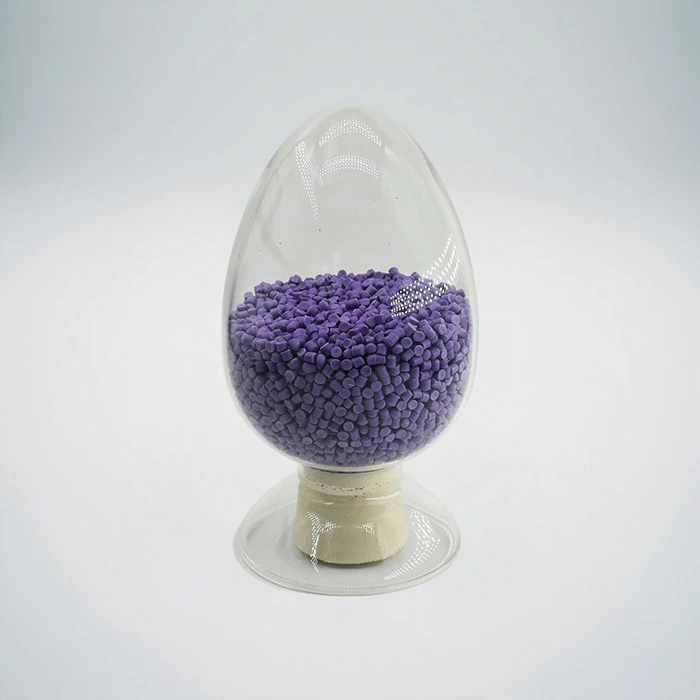
A: Yes. Color matching can be provided according to the cable manufacturer's requirements and the final cable construction.
Q: Can I request a sample and extrusion support?
A: Yes. Samples and processing guidance can be provided for extrusion trials and finished-cable evaluation.
Hot Tags: thermoplastic lszh cable sheathing compound, China thermoplastic lszh cable sheathing compound manufacturers, suppliers, factory, Halogen Free Cable Insulation Compound, Halogen Free Injection Molding Compound, HFFR Oxygen Barrier Material, Low Heat Shrinkage LSZH Sheathing Compound, Low Smoke Zero Halogen Insulation Material, Thermoplastic LSZH Injection Molding Compound