
|
Item |
Content |
|
Model |
EPC9555 |
|
Product Type |
Irradiation Cross-Linked LSZH Marine Cable Compound |
|
Material Type |
Halogen-Free Flame-Retardant Cross-Linked Polyolefin Compound |
|
Recommended Irradiation Dose |
10–12 MRad |
|
Standard / Grade |
GJB 1916-94 • Sheathed Cable Application |
|
Application |
Naval Vessel & Shipboard Cable Applications |
|
Key Features |
Oil Resistant • LSZH • HFFR • Irradiation Cross-Linked • Flame Retardant |
|
Compliance |
RoHS • REACH • HF • ISO 9001 • IATF 16949 |
Product Overview
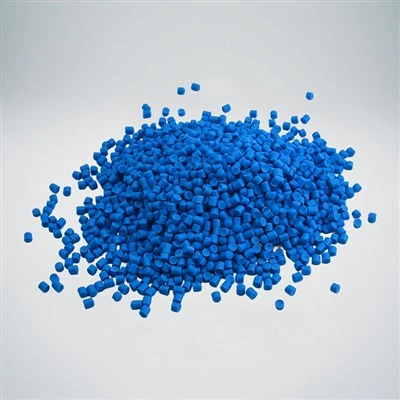
EPC9555 is an irradiation cross-linked low smoke zero halogen flame-retardant cable compound developed for naval vessel and shipboard cable applications. It is designed to meet the sheathed cable product requirements of GJB 1916-94, combining halogen-free fire-safety performance with oil resistance and reliable mechanical properties for demanding marine cable constructions.
As an electron-beam cross-linked HFFR polyolefin material, EPC9555 is suitable for naval ship cable, marine electrical cable and vessel wiring systems requiring a durable LSZH cable compound. The material provides stable post-aging performance, low-temperature impact resistance and ASTM No. 2 oil resistance, making it a practical irradiated XLPO material for military marine and shipboard cable applications.
Key Features
- GJB 1916-94 Sheathed Cable Application
- Naval Vessel & Shipboard Cable Material
- Irradiation Cross-Linked XLPO / HFFR Compound
- ASTM No. 2 Oil Resistance
- Low Smoke Zero Halogen
- Tear Strength 7.5 N/mm
- Low-Temperature Impact Performance
Technical Data Sheet
|
Test Item |
EPC9555 |
|
Density, g/cm³ |
1.50 |
|
Melt Index, g/10min |
5.1 |
|
Tensile Strength, MPa |
11.1 |
|
Elongation at Break, % |
230 |
|
Aging Test, °C×h |
136×168 |
|
Tensile Strength after Aging, MPa |
13.0 |
|
Elongation after Aging, % |
185 |
|
Tear Strength, N/mm |
7.5 |
|
Oxygen Index, % |
32 |
|
Toxicity Index |
2 |
|
Smoke Index |
24 |
|
Hardness, Shore A |
95 |
|
Low-Temperature Impact @ -25°C |
Pass |
|
Thermal Shock @ 150°C |
Pass |
|
Halogen Content, PPM |
0 |
|
pH (min) |
6.1 |
|
Conductivity (max), μS/mm |
1.0 |
|
Volume Resistivity, Ω·m |
2.1×10¹² |
|
Hot Set @ 200°C × 15min, % |
35 |
|
Permanent Deformation, % |
5 |
|
ASTM No. 2 Oil Immersion, °C×h |
121×18 |
|
Tensile Strength after Oil Immersion, MPa |
9.0 |
|
Elongation after Oil Immersion, % |
180 |
|
Weathering / Xenon Arc Exposure |
1000 h |
|
Tensile Strength after Weathering, MPa |
13.0 |
|
Elongation after Weathering, % |
185 |
Recommended Extrusion Process Temperature
|
Zone |
Zone 1 |
Zone 2 |
Zone 3 |
Zone 4 |
Zone 5 |
Neck |
Head |
Mould |
|
Temperature |
100°C |
110°C |
125°C |
135°C |
150°C |
155°C |
160°C |
165°C |
EPC9555 can be processed on conventional PVC/PE extrusion equipment. Electron-beam irradiation is applied after extrusion to complete cross-linking.
Keep the melt temperature below 165°C and do not exceed 175°C during extrusion.
A low-compression screw and head are recommended, with a compression ratio of approximately 1:1–1:2.
For special naval vessel cable structures, extrusion equipment or irradiation conditions, please contact our technical team for processing guidance.
OEM & Customization
- Customized Formulations
- OEM Manufacturing
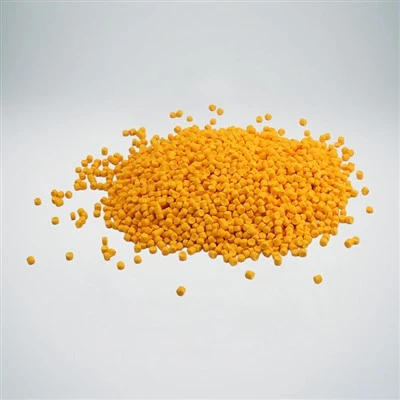
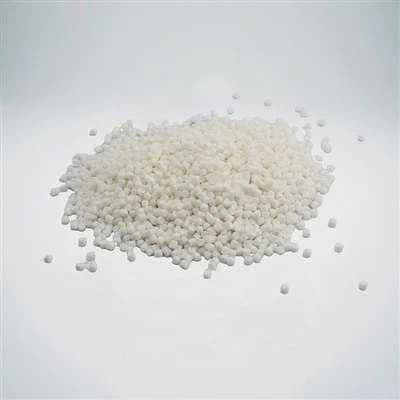
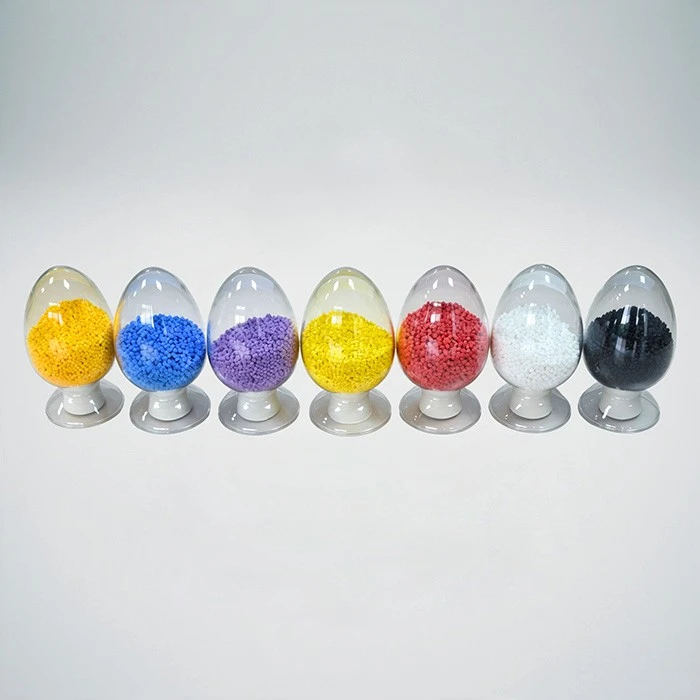
- Color Matching
- Technical Support
- Small Batch
- Fast Sampling
- Free Samples
FAQ
1. What is Oil-Resistant LSZH Marine Cable Compound EPC9555?
EPC9555 is an irradiation cross-linked LSZH flame-retardant cable compound developed for naval vessel and shipboard cable applications.
2. Which standard requirement does EPC9555 target?
EPC9555 is designed to meet the sheathed cable product requirements of GJB 1916-94.
3. Is EPC9555 an irradiation cross-linked material?
Yes. Electron-beam irradiation is applied after extrusion, with a recommended irradiation dose of 10–12 MRad.
4. What marine applications is EPC9555 suitable for?
It is intended for naval vessel, shipboard and marine cable constructions requiring halogen-free flame-retardant performance.
5. Does EPC9555 provide oil resistance?
Yes. After ASTM No. 2 oil immersion at 121°C × 18 h, tensile strength is 9.0 MPa and elongation at break is 180%.
6. Does EPC9555 have weathering data?
Yes. The supplied data lists 1000 h weathering exposure, followed by 13.0 MPa tensile strength and 185% elongation.
7. Is EPC9555 halogen free?
Yes. The supplied technical data lists halogen content at 0 PPM.
8. What is the recommended extrusion temperature profile?
Zone 1: 100°C; Zone 2: 110°C; Zone 3: 125°C; Zone 4: 135°C; Zone 5: 150°C; Neck: 155°C; Head: 160°C; Mould: 165°C.
9. What extrusion equipment can be used?
EPC9555 can be processed on conventional PVC/PE extrusion equipment before irradiation cross-linking.
10. Can customized formulations and free samples be provided?
Yes. Customized formulations, color matching, technical support and samples can be provided according to marine cable requirements.
Hot Tags: oil-resistant lszh marine cable compound, China oil-resistant lszh marine cable compound manufacturers, suppliers, factory, 105 C SHF2 LSZH Marine Cable Compound, Crosslinkable Marine Cable Compound, Crosslinked HFFR Shipboard Cable Material, HFFR Naval Cable Sheath Compound, HFFR Shipboard Cable Jacket Compound, Irradiation Crosslinked Marine Cable Compound