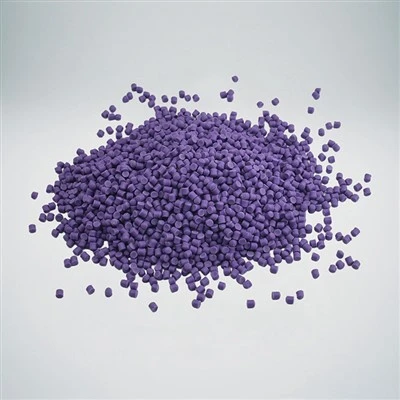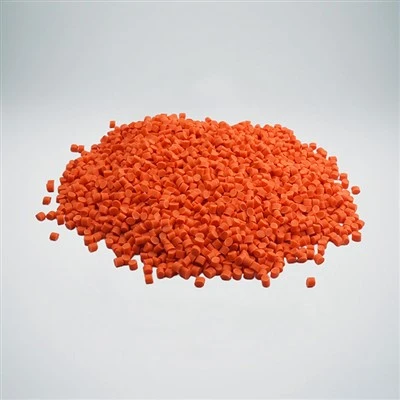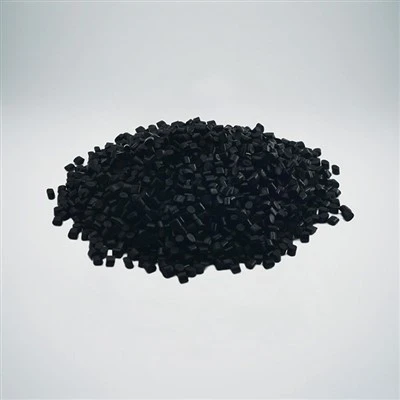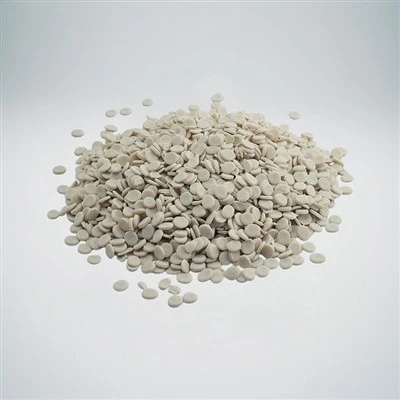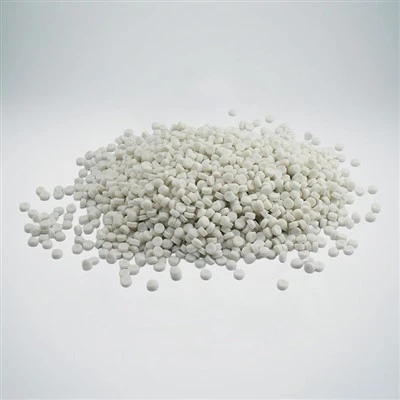

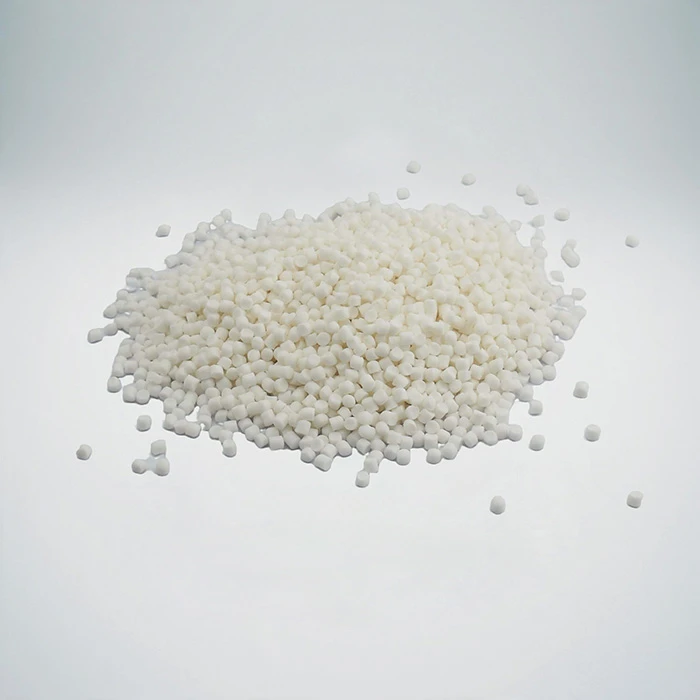
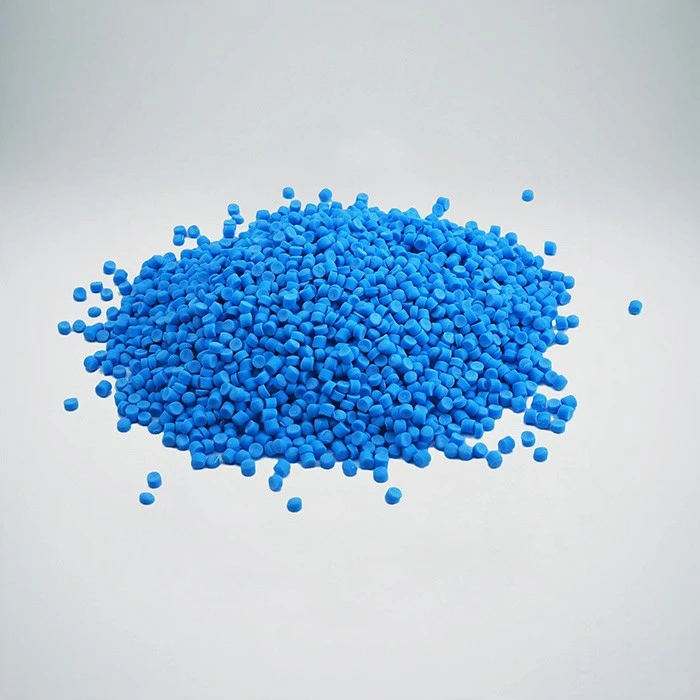
Product Overview
The EPC9256-III and EPC9255-III series is a matched irradiation-crosslinked low-smoke zero-halogen polyolefin material system developed for photovoltaic cable insulation and outer sheathing. EPC9256-III serves as the conductor insulation grade, while EPC9255-III serves as the outer protective sheath / jacket grade.
The two grades are designed around different cable-layer functions rather than as interchangeable materials. EPC9256-III emphasizes electrical insulation and high volume resistivity; EPC9255-III emphasizes UV, weather, chemical and external mechanical protection. Used together in an appropriate cable construction, the pair can support photovoltaic cables designed around IEC 62930, EN 50618 and TÜV 2PfG 1169 requirements.
Choose the Right PV Grade
|
Grade |
Cable Layer |
Primary Function |
Key Positioning |
Recommended Use |
|
EPC9256-III |
Insulation |
Electrical insulation |
1.5 × 10¹³ Ω·m volume resistivity |
PV / solar cable conductor insulation |
|
EPC9255-III |
Sheath / Jacket |
External protection |
UV / weather / chemical protection; OI 33% |
PV / solar cable outer jacket |
Series Highlights
- Matched insulation + sheath material system for photovoltaic cable constructions
- Cross-linked halogen-free polyolefin / XLPO route with electron-beam irradiation
- Referenced finished-cable routes: IEC 62930, EN 50618 and TÜV 2PfG 1169
- Both grades pass -40°C low-temperature impact in the supplied technical data
- UV, ozone and salt-spray performance data for demanding outdoor solar environments
- Typical halogen content: 0 ppm for both grades
- Recommended electron-beam irradiation dose: 10–12 MRad
Typical Applications
- Photovoltaic DC cables
- Solar module and array interconnection cables
- Rooftop PV systems
- Utility-scale solar farm cables
- Outdoor solar power wiring
- Cross-linked LSZH / HFFR photovoltaic cable constructions
Grade Selection by Cable Layer
|
Cable Construction Layer |
Recommended Grade |
What the Material Must Do |
|
Inner insulation |
EPC9256-III |
Electrically isolate the conductor while maintaining thermal and environmental performance |
|
Outer sheath / jacket |
EPC9255-III |
Protect the cable against UV, weather, chemicals, ozone, salt spray and external mechanical exposure |
What Changes Between Insulation and Sheathing?
EPC9256-III and EPC9255-III belong to the same photovoltaic cable platform, but the cable layer determines the correct grade. The insulation grade prioritizes electrical performance, while the sheath grade is selected for the outer environmental and protective role. They should not be treated as substitutes for one another.
Key Grade Differences
|
Selection Point |
EPC9256-III |
EPC9255-III |
|
Cable Layer |
Insulation |
Outer sheath / jacket |
|
Primary Job |
Electrical insulation |
External environmental & mechanical protection |
|
Volume Resistivity |
1.5 × 10¹³ Ω·m |
3 × 10¹² Ω·m |
|
Oxygen Index |
28% |
33% |
|
Tensile / Elongation |
14.7 MPa / 210% |
13.3 MPa / 215% |
|
Low Temperature |
-40°C impact: Pass |
-40°C impact: Pass |
|
Outdoor Focus |
UV / ozone / salt spray |
UV / ozone / acid / salt spray + jacket durability |
|
Recommended Irradiation |
10–12 MRad |
10–12 MRad |
|
Use Together |
Inner insulation layer |
Outer protective layer |
Why Use the Two Grades as a System?
- One product family covers both critical polymer layers of a typical PV cable construction.
- Insulation and sheath functions remain technically differentiated instead of forcing one compound to do both jobs.
- Common irradiation and processing logic simplifies trial planning for cable manufacturers.
- A matched system makes RFQ, sample testing and finished-cable validation more straightforward.
Recommended Extrusion Process Temperature
|
Test Item |
EPC9256-III Insulation |
EPC9255-III Sheath |
|
Density |
1.38 g/cm³ |
1.46 g/cm³ |
|
Melt Index |
10 g/10 min |
13.2 g/10 min |
|
Tensile Strength |
14.7 MPa |
13.3 MPa |
|
Elongation at Break |
210% |
215% |
|
Aging Test |
158°C × 168 h |
158°C × 168 h |
|
Tensile after Aging |
16.2 MPa |
15.6 MPa |
|
Elongation after Aging |
191% |
185% |
|
Oxygen Index |
28% |
33% |
|
Hardness |
Shore A 97 |
Shore A 96 |
|
Smoke Density - Flaming |
52 |
66 |
|
Smoke Density - Non-Flaming |
213 |
205 |
|
Light Transmittance |
>60% Pass |
>60% Pass |
|
High-Temperature Pressure |
- |
140°C × 4 h |
|
Thermal Deformation |
- |
21% |
|
Low-Temperature Impact @ -40°C |
Pass |
Pass |
|
Ozone Resistance |
Pass |
Pass |
|
Halogen Content |
0 ppm |
0 ppm |
|
pH |
≥ 5.8 |
≥ 5.6 |
|
Conductivity |
≤ 0.8 μS/mm |
≤ 1.2 μS/mm |
|
Volume Resistivity |
1.5 × 10¹³ Ω·m |
3 × 10¹² Ω·m |
|
Hot Set @ 250°C × 15 min |
50% |
45% |
|
Permanent Deformation |
5% |
5% |
|
Salt Spray @ 40°C × 72 h |
Pass |
Pass |
|
Acid Immersion |
- |
23°C × 168 h: 12.1 MPa / 180% |
|
UV Aging |
Outdoor performance route |
720 h: 12.4 MPa / 192% |
Note: Values are typical material data from the supplied product documents. A dash means the corresponding item is not listed in the available grade data. Final finished-cable performance must be verified on the actual PV cable construction.
Performance Focus by Cable Layer
|
Performance Area |
EPC9256-III - Insulation |
EPC9255-III - Sheath |
|
Electrical |
High volume resistivity supports conductor insulation |
Not the primary selection driver |
|
Outdoor durability |
UV / ozone / salt-spray resistance |
UV / ozone / acid / salt-spray + outer-jacket durability |
|
Flame positioning |
OI 28% |
OI 33% |
|
Cold climate |
-40°C impact pass |
-40°C impact pass |
|
Safety |
Low smoke + zero halogen |
Low smoke + zero halogen |
|
Cross-linking |
10–12 MRad |
10–12 MRad |
Recommended Extrusion & Irradiation Conditions
|
Zone |
1 |
2 |
3 |
4 |
5 |
Neck |
Head |
Mould |
|
Temperature |
100°C |
110°C |
125°C |
135°C |
150°C |
155°C |
160°C |
165°C |
Processing Guidelines
- Both grades can be processed on conventional PVC/PE cable extrusion equipment.
- Electron-beam irradiation is applied after extrusion; recommended starting dose: 10–12 MRad.
- Keep melt temperature at or below approximately 165°C and do not exceed 175°C.
- A low-compression screw and head, approximately 1:1–1:2 compression ratio, are recommended as a starting point.
- For EPC9256-III, optimize conductor size, insulation thickness, line speed and irradiation conditions.
- For EPC9255-III, optimize die design, cooling, line speed, sheath thickness and irradiation conditions.
- Final PV cable electrical, mechanical, flame and environmental performance must be validated on the complete insulation/sheath construction.
Standards & Application Route
The supplied product information positions EPC9256-III and EPC9255-III as a complementary insulation/sheath system for photovoltaic cable constructions designed around TÜV 2PfG 1169-2007, IEC 62930 and EN 50618 requirements.
Important Compliance Note
These standards apply to finished photovoltaic cable constructions. Raw compound selection alone does not guarantee finished-cable certification. Conductor design, insulation and sheath thickness, extrusion quality, irradiation conditions and the complete cable construction must be validated under the applicable standard and certification program.
Free Sample & Technical Support
For faster PV material selection and RFQ evaluation, please provide:
- Target PV cable standard: IEC 62930, EN 50618, TÜV 2PfG 1169 or other
- Required layer: insulation (EPC9256-III), sheath/jacket (EPC9255-III), or both
- Conductor size and complete cable construction
- Insulation thickness, sheath thickness and finished cable diameter
- Target operating temperature and installation environment
- UV / ozone / acid-alkali / salt-spray requirements
- Required flame, smoke and halogen performance
- Extrusion line and electron-beam irradiation equipment
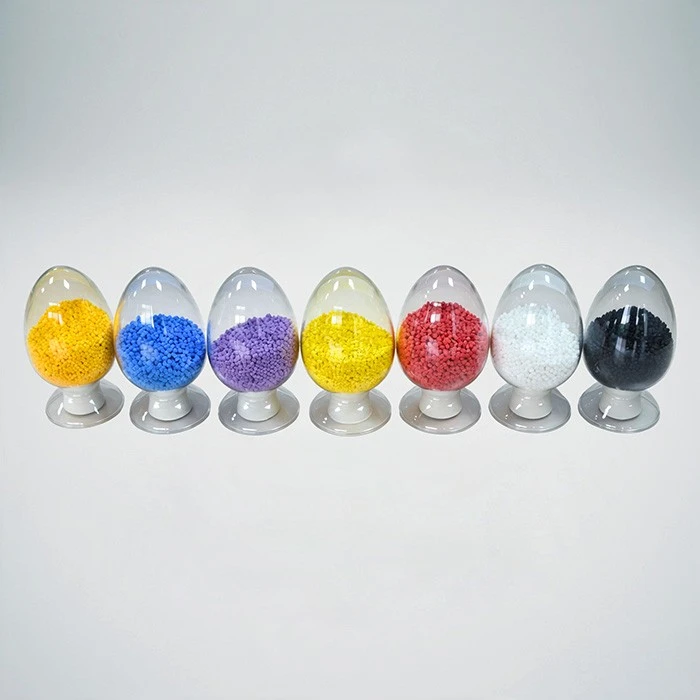
- Required insulation / sheath color
- Trial quantity and estimated annual volume
FAQ
1. What products are included in this photovoltaic cable material system?
EPC9256-III is the insulation grade and EPC9255-III is the corresponding outer sheath / jacket grade.
2. Which grade should I choose for conductor insulation?
Choose EPC9256-III. Its higher volume resistivity and insulation-focused positioning make it the dedicated inner insulation grade.
3. Which grade should I choose for the outer jacket?
Choose EPC9255-III. It is positioned for UV, weather, chemical and external mechanical protection.
4. Can EPC9256-III and EPC9255-III be used together?
Yes. They are positioned as a complementary insulation and sheath material system for photovoltaic cable constructions.
5. Which photovoltaic LSZH cable Compound standards are referenced?
The supplied product information references TÜV 2PfG 1169-2007, IEC 62930 and EN 50618.
6. What irradiation dose is recommended?
10–12 MRad is the recommended starting electron-beam irradiation range for both grades.
7. Are these grades halogen-free?
The supplied technical data lists typical halogen content of 0 ppm for both grades.
8. What low-temperature data are available?
Both grades pass the -40°C low-temperature impact test in the supplied data.
9. What outdoor-performance data are available?
The family includes UV, ozone and salt-spray performance data; EPC9255-III also includes acid-immersion and 720-hour UV-aging data for its outer-jacket role.
10. Does the raw material itself carry IEC 62930 or EN 50618 cable certification?
These standards apply to finished PV cable constructions. Final cable testing and certification are required.
11. Can free samples be supplied?
Yes. Samples can be supplied for extrusion, irradiation and finished-cable evaluation.
Hot Tags: photovoltaic lszh cable compound, China photovoltaic lszh cable compound manufacturers, suppliers, factory, photovoltaic cable compound, PV cable XLPO compound, solar cable compounds