
|
Model |
EPC6901 |
|
Product Type |
LSZH Fiber Optic Tight Buffer Compound |
|
Material Route |
Thermoplastic LSZH / HFFR |
|
Primary Application |
Optical fiber tight buffer layer |
|
Related Application |
Tight-buffered communication / optical cable constructions |
|
Key Properties |
Excellent insulation • Low water absorption • Flame retardancy • Self-extinguishing • Stable extrusion |
|
Processing |
Conventional thermoplastic extrusion; no irradiation |
|
Halogen / Oxygen Index |
0 ppm typical halogen content / 34% oxygen index |
Product Overview
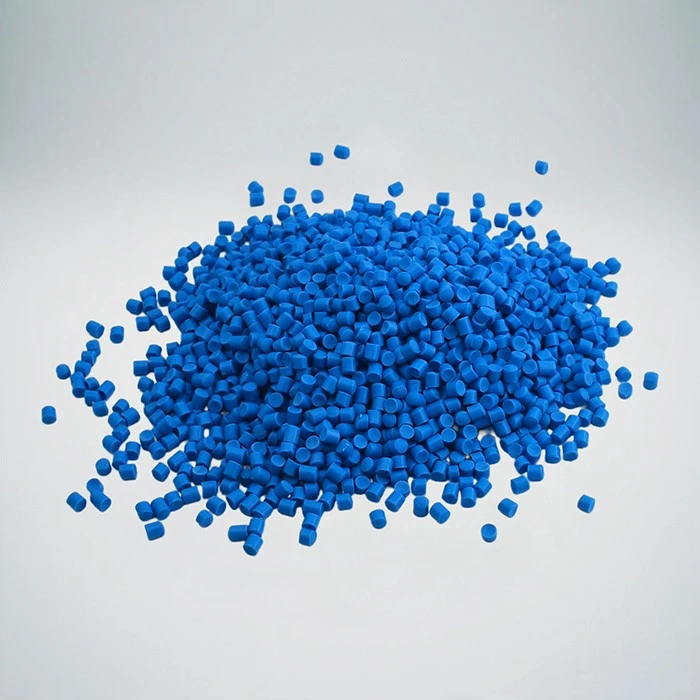
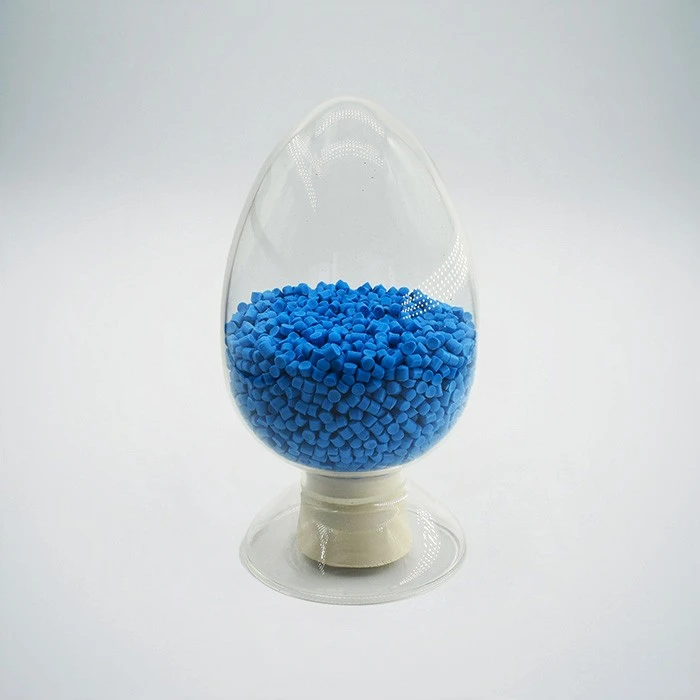
EPC6901 is an LSZH Fiber Optic Tight Buffer Compound developed for the tight buffer layer of optical fiber and selected communication-cable constructions. The material combines excellent electrical insulation, low water absorption, flame retardancy and self-extinguishing behavior with stable thermoplastic extrusion.
As an LSZH Fiber Optic Tight Buffer Compound, EPC6901 is intended for customers who need a low-smoke zero-halogen thermoplastic buffer material around optical fiber. Its low water absorption and insulation performance make it especially relevant where the buffer layer must protect the fiber while maintaining reliable processing.
Key Features
- Optical Fiber Tight Buffer Application
- Excellent Electrical Insulation
- Low Water Absorption
- Low Smoke Zero Halogen / HFFR
- Flame Retardant & Self-Extinguishing
- Good Thermoplastic Extrusion Processability
- 0 ppm Typical Halogen Content
Technical Data Sheet
|
Test Item |
EPC6901 |
|
Density, g/cm³ |
1.46 |
|
Melt Index, g/10min |
7.5 |
|
Tensile Strength, MPa |
13.2 |
|
Elongation at Break, % |
230 |
|
Aging Test, °C×h |
110×168 |
|
Tensile Strength after Aging, MPa |
14.7 |
|
Elongation after Aging, % |
219 |
|
Oxygen Index, % |
34 |
|
Smoke Density - Flaming |
54 |
|
Smoke Density - Nonflaming |
201 |
|
Toxicity Index |
1 |
|
Hardness, Shore A |
96 |
|
High Temperature Pressure Test, °C×h |
90×4 |
|
Thermal Deformation, % |
28 |
|
Low Temperature Impact @ -25°C |
Pass |
|
Thermal Shock @ 150°C |
Pass |
|
Halogen Content, PPM |
0 |
|
pH (min) |
6.2 |
|
Conductivity (max), μS/mm |
0.8 |
|
Volume Resistivity, Ω·m |
3×10¹² |
|
Gasoline Immersion, 23°C×20h, Diameter Change, % |
11 |
|
Diesel Oil Immersion, 23°C×20h, Diameter Change, % |
12 |
|
Engine Oil Immersion, 50°C×20h, Diameter Change, % |
11 |
|
Power Steering Fluid, 50°C×20h, Diameter Change, % |
25 |
|
Transmission Oil, 50°C×20h, Diameter Change, % |
21 |
|
Battery Acid Resistance, 90°C×48h |
Pass |
Recommended Extrusion Process Temperature
|
Zone |
Zone 1 |
Zone 2 |
Zone 3 |
Zone 4 |
Zone 5 |
Neck |
Head |
Mould |
|
100°C |
110°C |
125°C |
135°C |
150°C |
155°C |
160°C |
165°C |
165°C |
EPC6901 can be processed on conventional PVC/PE extrusion equipment for optical-fiber tight-buffer and communication-cable production.
Keep the melt temperature below approximately 165°C and do not exceed 175°C during extrusion.
A low-compression screw and head are recommended, with a compression ratio around 1:1.2.
For fine optical-fiber structures, buffer thickness, line speed and surface quality should be optimized on the customer's actual extrusion line.
How to Evaluate EPC6901 for Optical Fiber Tight Buffering
|
Selection Point |
EPC6901 Positioning |
|
Cable Layer |
Tight buffer / protective buffer layer around optical fiber |
|
Material Route |
Thermoplastic LSZH / HFFR |
|
Electrical Priority |
Excellent insulation; volume resistivity 3 × 10¹² Ω·m |
|
Moisture Priority |
Low water absorption positioning |
|
Mechanical Profile |
13.2 MPa tensile strength / 230% elongation |
|
Fire-Safety Profile |
34% oxygen index / 0 ppm typical halogen content |
|
Low Temperature |
-25°C impact: Pass |
|
Processing |
Thermoplastic extrusion; no irradiation |
|
Trial Validation |
Confirm fiber structure, buffer thickness, strip behavior and finished-cable requirements |
OEM & Customization
- Customized Formulations
- OEM Manufacturing
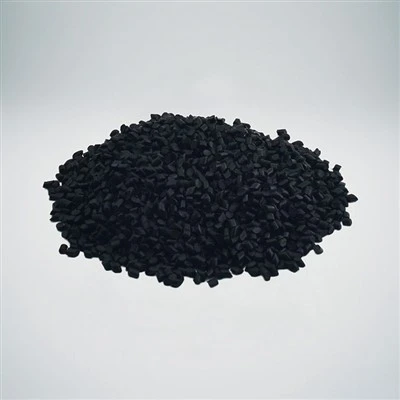
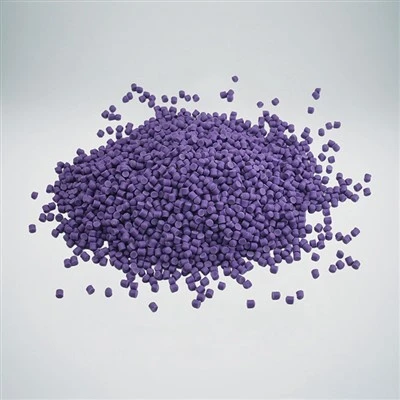
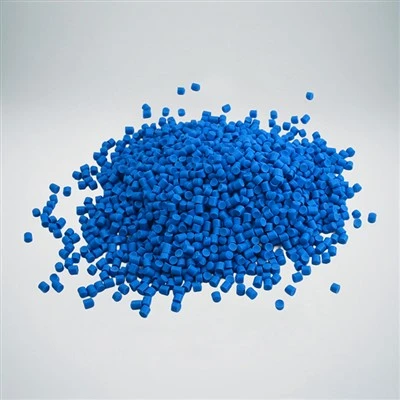
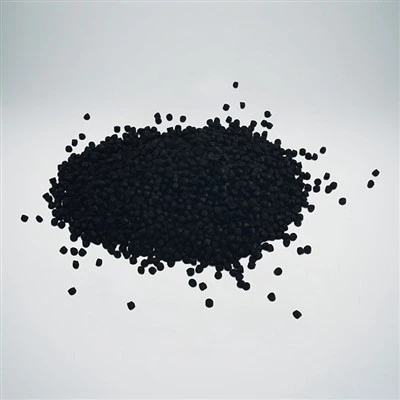
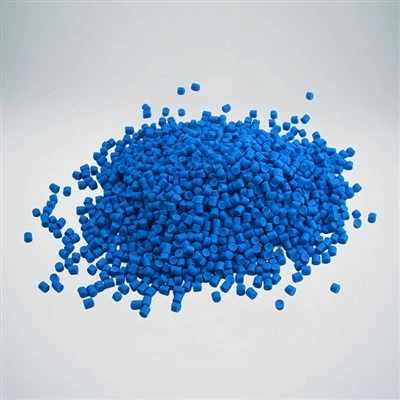
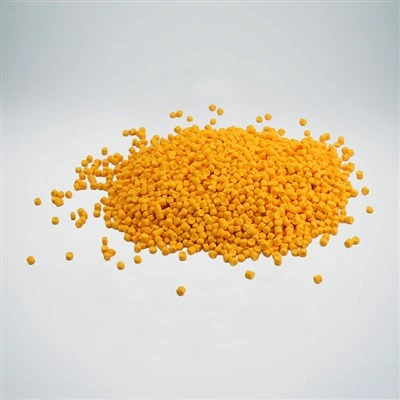
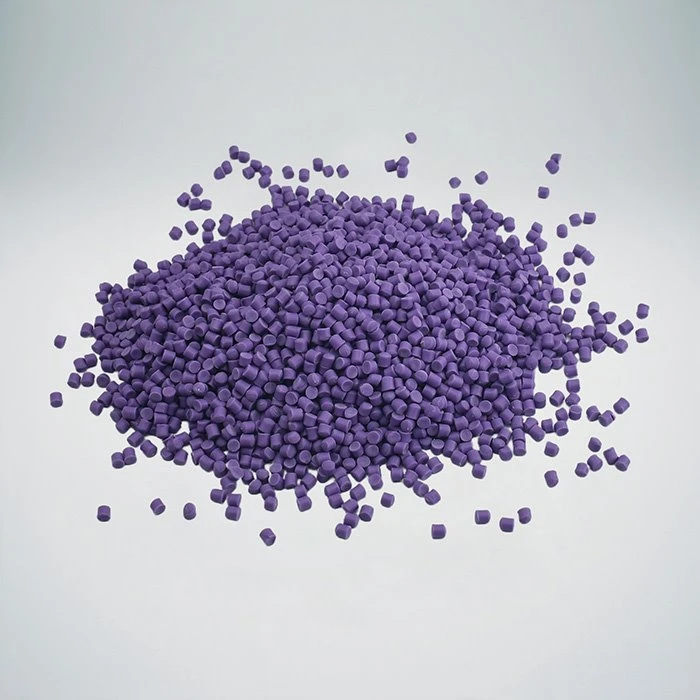
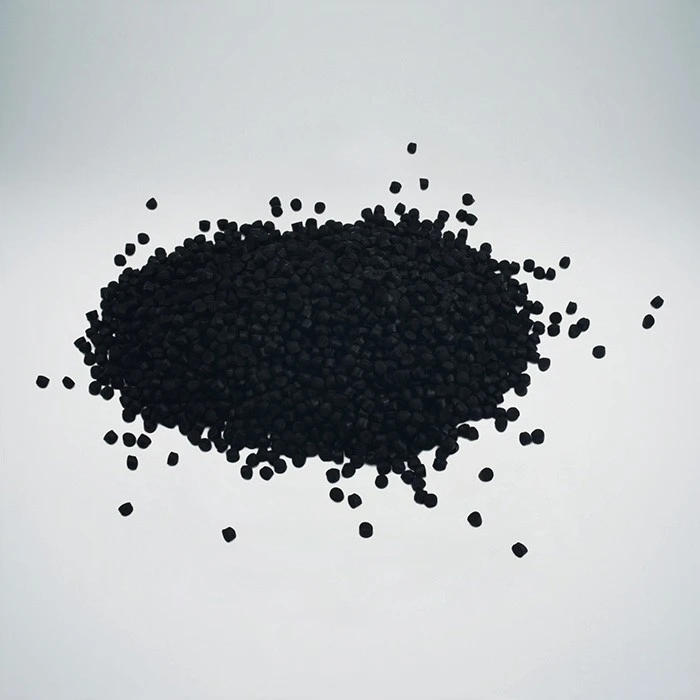
- Color Matching
- Technical Support
- Small Batch
- Fast Sampling
- Free Samples
FAQ
1. What is EPC6901?
EPC6901 is an LSZH Fiber Optic Tight Buffer Compound for optical-fiber tight buffer layers and related communication-cable constructions.
2. What is a tight buffer compound?
It is a thermoplastic material extruded directly around optical fiber to form a protective buffer layer.
3. What applications is EPC6901 intended for?
It is mainly intended for tight-buffered optical fiber and communication / optical cable constructions requiring LSZH / HFFR material.
4. Why is low water absorption important?
Low water absorption supports stable insulation performance and helps reduce moisture-related effects in the buffer layer.
5. What are the key electrical properties?
The supplied technical data lists a volume resistivity of 3 × 10¹² Ω·m.
6. What is the typical oxygen index?
The supplied technical data lists a typical oxygen index of 34%.
7. Does EPC6901 require irradiation?
No. EPC6901 is a thermoplastic extrusion grade.
8. What extrusion temperature is recommended?
The reference profile runs from 100°C at Zone 1 to 165°C at the mould, with melt temperature controlled below 165°C and not exceeding 175°C.
9. Can customized colors be supplied?
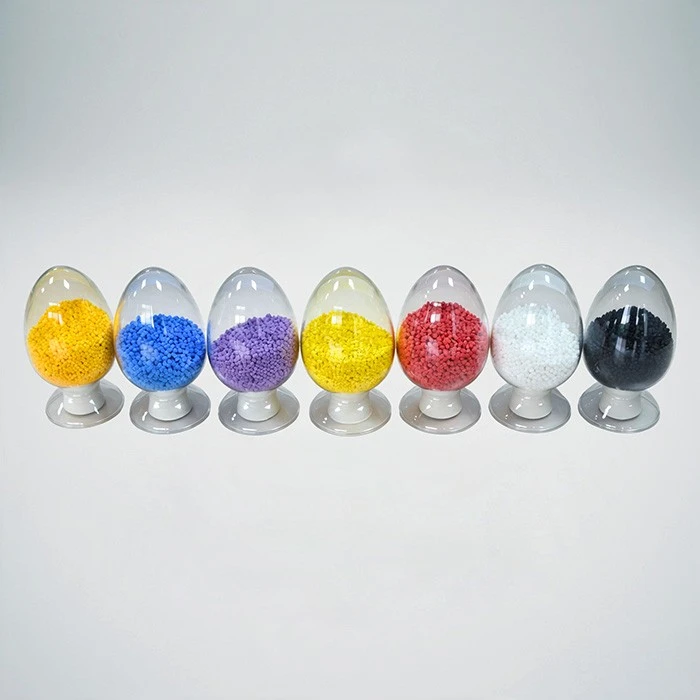
Yes. Color matching and compatible masterbatch solutions can be discussed according to the optical-fiber and cable construction.
10. Can samples be provided?
Yes. Sample trials are recommended on the customer's actual fiber structure and extrusion line before final qualification.
Free Sample & Technical Support
For faster evaluation, please provide the optical-fiber type, buffer diameter, target buffer thickness, strip requirements, operating temperature, flame / LSZH requirements, extrusion equipment, color and estimated volume.
Samples, color matching and processing guidance can be discussed for qualified tight-buffer and communication-cable development projects.
Hot Tags: lszh fiber optic tight buffer compound, China lszh fiber optic tight buffer compound manufacturers, suppliers, factory, CPR Eca LSZH Cable Jacket Compound, Crack Resistant Telecom Cable Compound, Dca Communication Cable Sheathing Material, Flame Retardant Fiber Optic Compound, Thermoplastic Low Dielectric Cable Material, Thermoplastic Tight Buffer Compound