
|
Item |
EPC6908 |
|
Product Type |
Thermoplastic LSZH / HFFR communication cable sheathing compound |
|
Primary Role |
Communication / telecom / data cable outer sheath |
|
CPR Positioning |
Cable constructions designed to meet CPR Dca requirements |
|
Oxygen Index |
42% |
|
Mechanical |
13.1 MPa tensile strength; 220% elongation |
|
Low Temperature |
-25°C impact: Pass |
|
Thermal Shock |
150°C: Pass |
|
Key Advantages |
Higher flame-retardant positioning • Low smoke • Zero halogen • Good extrusion processability |
|
Processing |
Conventional PVC/PE extrusion equipment; no irradiation |
Product Overview
EPC6908 is a CPR Dca LSZH Communication Cable Compound developed for communication, telecom and data cable outer jackets requiring enhanced fire-performance positioning. It combines thermoplastic processing, low-smoke zero-halogen performance, reliable mechanical properties and a high oxygen index for compatible cable constructions designed to target CPR Dca requirements.
With an oxygen index of 42%, the CPR Dca LSZH Communication Cable Compound occupies the Dca step in Opta's communication-cable CPR selection route: EPC6907 for Eca-target constructions, EPC6908 for Dca-target constructions, and EPC6910 for Cca-target constructions. The required grade should be selected according to the finished-cable design and specified CPR class.
Why Choose EPC6908?
1. Dedicated CPR Dca Communication-Cable Route
Positioned for communication, telecom and data cable constructions requiring a higher CPR fire-performance target than the Eca route.
2. Oxygen Index 42%
A typical oxygen index of 42% supports EPC6908's higher flame-retardant positioning within the communication-cable portfolio.
3. Low Smoke Zero Halogen
Typical halogen content is 0 ppm, supporting LSZH / HFFR cable-jacket designs where smoke and halogen performance are important.
4. Reliable Mechanical Properties
Typical tensile strength is 13.1 MPa with 220% elongation at break, providing a balanced mechanical profile for compatible communication-cable sheathing.
5. Thermal & Low-Temperature Performance
Catalogue data records a pass in the -25°C low-temperature impact test and a pass in the 150°C thermal-shock test.
6. Thermoplastic Processing
Can be processed on conventional PVC/PE cable extrusion equipment without post-extrusion electron-beam irradiation.
Typical Applications
- Communication cable outer jackets
- Telecom cable sheathing
- Data cable outer jackets
- Network and signal cable jackets
- LSZH / HFFR communication cables targeting CPR Dca
- Indoor communication infrastructure requiring enhanced fire performance
Where EPC6908 Fits
|
Target CPR Route |
Recommended Grade |
Positioning |
|
Eca |
EPC6907 |
Standard / entry communication LSZH route |
|
Dca |
EPC6908 |
Enhanced flame-retardant communication LSZH route |
|
Cca |
EPC6910 |
Higher CPR fire-performance communication LSZH route |
Recommended Extrusion Process Temperature
|
Test Item |
Typical Value |
|
Density |
1.53 g/cm³ |
|
Melt Index |
5.1 g/10 min |
|
Tensile Strength |
13.1 MPa |
|
Elongation at Break |
220% |
|
Aging Test |
110°C × 168 h |
|
Tensile Strength after Aging |
14.5 MPa |
|
Elongation after Aging |
191% |
|
Oxygen Index |
42% |
|
Smoke Density - Flaming |
55 |
|
Smoke Density - Non-Flaming |
188 |
|
Toxicity Index |
0.9 |
|
Hardness |
Shore A 96 |
|
High-Temperature Pressure Test |
90°C × 4 h |
|
Thermal Deformation |
23% |
|
Low-Temperature Impact @ -25°C |
Pass |
|
Thermal Shock @ 150°C |
Pass |
|
Halogen Content |
0 ppm |
|
pH |
≥ 6.0 |
|
Conductivity |
≤ 0.8 μS/mm |
|
Volume Resistivity |
1.8 × 10¹² Ω·m |
|
Gasoline Immersion, 23°C × 20 h |
11% diameter change |
|
Diesel Oil Immersion, 23°C × 20 h |
12% diameter change |
|
Engine Oil Immersion, 50°C × 20 h |
11% diameter change |
|
Power Steering Fluid, 50°C × 20 h |
25% diameter change |
|
Transmission Oil, 50°C × 20 h |
21% diameter change |
|
Battery Acid Resistance, 90°C × 48 h |
Pass |
Performance Interpretation
|
Performance Area |
EPC6908 Positioning |
|
CPR route |
Dca-target communication cable construction |
|
Flame retardancy |
High; oxygen index 42% |
|
Smoke / halogen |
Low smoke + zero halogen |
|
Mechanical |
13.1 MPa / 220% |
|
Low temperature |
-25°C impact pass |
|
Thermal shock |
150°C pass |
|
Processing |
Thermoplastic extrusion; no irradiation |
Recommended Extrusion Conditions
|
Zone |
Zone 1 |
Zone 2 |
Zone 3 |
Zone 4 |
Zone 5 |
Neck |
Head |
Mould |
|
Temperature |
100°C |
110°C |
125°C |
135°C |
150°C |
155°C |
160°C |
165°C |
Processing Guidelines
- EPC6908 can be processed on conventional PVC/PE extrusion equipment for communication and data cable sheathing.
- Keep the melt temperature below approximately 165°C and do not exceed 175°C during extrusion.
- A low-compression screw and head are recommended, with a compression ratio of approximately 1:1 to 1:2.
- Optimize die design, cooling and line speed according to cable diameter, wall thickness and surface requirements.
- For special communication or data cable structures, contact the technical team for processing guidance.
- CPR classification must be verified on the complete finished cable construction.
Communication Cable CPR Selection Ladder
|
Selection Point |
EPC6907 |
EPC6908 |
EPC6910 |
|
CPR Route |
Eca |
Dca |
Cca |
|
Primary Role |
General + communication LSZH sheath |
Dedicated higher-FR communication sheath |
Higher CPR communication sheath |
|
Flame Position |
Entry / standard |
Enhanced |
Higher target |
|
Oxygen Index |
Grade-specific TDS |
42% |
44% |
|
Choose When |
Eca is sufficient |
Project specifies Dca |
Project specifies Cca |
EPC6908 vs. EPC6907
|
Selection Point |
EPC6908 |
EPC6907 |
|
CPR Positioning |
Dca-target route |
Eca-target route |
|
Primary Application |
Communication / telecom / data cable |
General-purpose + communication cable |
|
Main Priority |
Enhanced communication-cable fire performance |
Versatility + processability + crack resistance + low heat shrinkage |
|
Oxygen Index |
42% |
Grade-specific TDS |
|
Material Family |
Thermoplastic LSZH / HFFR |
Thermoplastic LSZH / HFFR |
|
Choose When |
Finished cable is designed for Dca |
Eca / standard communication LSZH route is sufficient |
EPC6908 vs. EPC6910
|
Selection Point |
EPC6908 |
EPC6910 |
|
CPR Positioning |
Dca-target route |
Cca-target route |
|
Oxygen Index |
42% |
44% |
|
Primary Application |
Communication / data cable sheath |
Communication / data cable sheath |
|
Selection Driver |
Project specifies Dca |
Project specifies Cca |
|
Important Note |
Finished cable must be tested / classified |
Finished cable must be tested / classified |
When EPC6908 Is the Right Starting Grade
Start with EPC6908 when the finished communication, telecom or data cable is designed around a CPR Dca target and requires thermoplastic LSZH / HFFR sheathing with higher flame-retardant positioning. If the project specifies Eca, evaluate EPC6907; if it specifies Cca, evaluate EPC6910. Final CPR classification must be verified on the complete finished cable.
Free Sample & Technical Support
For faster grade selection and RFQ evaluation, please provide:
- Cable type: communication, telecom, data, network or signal cable
- Required CPR class: Eca, Dca, Cca or other target
- Finished cable structure and overall diameter
- Sheath / jacket wall thickness
- Required smoke and halogen performance
- Minimum operating / installation temperature
- Flame spread / heat release / smoke requirements from the project specification
- Extrusion equipment and line speed
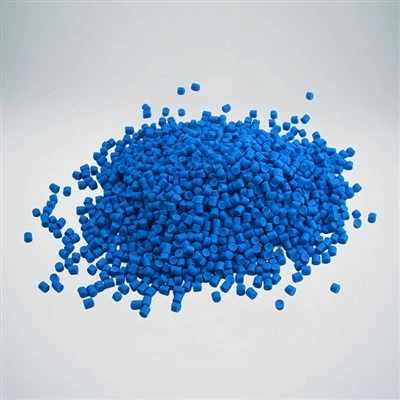
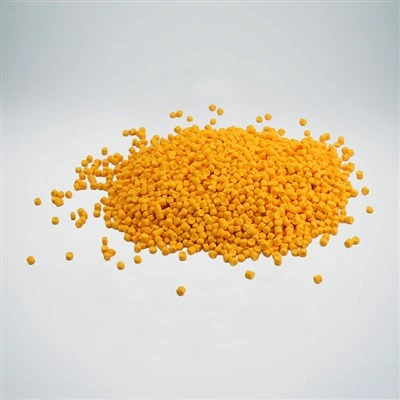
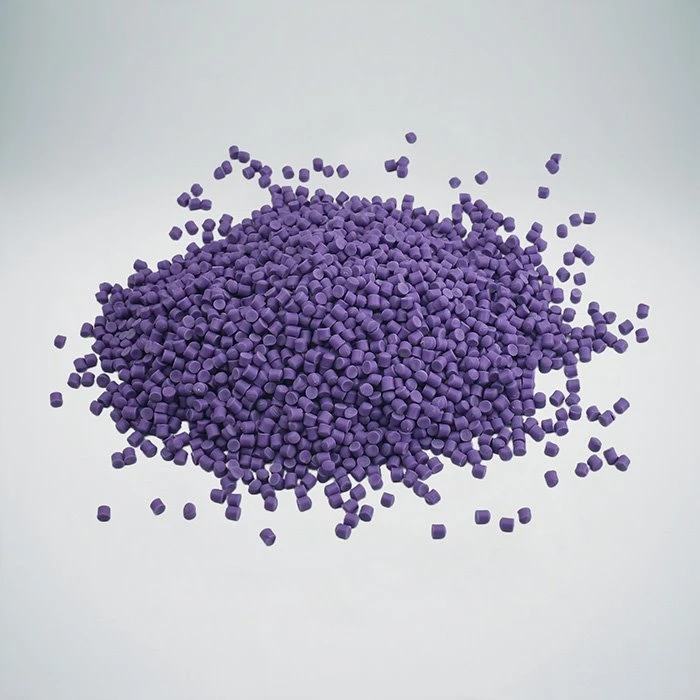
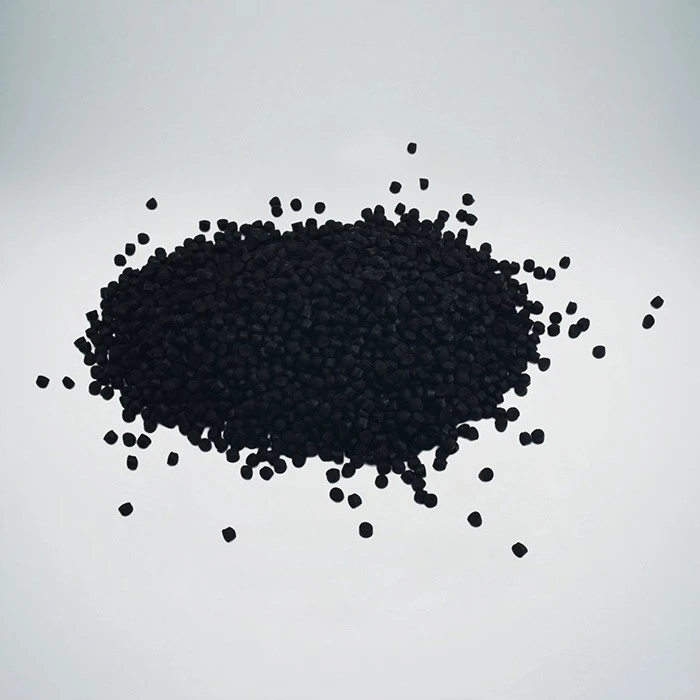
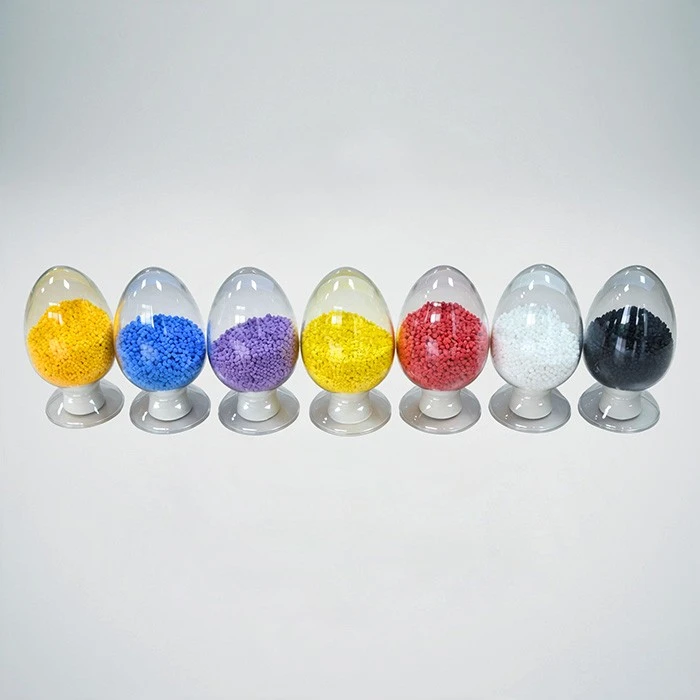
- Color and surface requirements
- Trial quantity and estimated annual volume
FAQ
Q: What is EPC6908?
A: EPC6908 is a CPR Dca LSZH Communication Cable Compound for communication, telecom and data cable outer jackets designed around a CPR Dca application route.
Q: What is the key difference between EPC6908 and EPC6907?
A: EPC6907 is positioned for Eca-target communication cable constructions, while EPC6908 is positioned for the higher Dca target and has a typical oxygen index of 42%.
Q: What is the difference between EPC6908 and EPC6910?
A: EPC6908 is positioned for Dca-target cable constructions, while EPC6910 is positioned for Cca-target constructions. The project-specified CPR class is the primary selection driver.
Q: Does EPC6908 itself have a CPR Dca classification?
A: No standalone raw-material CPR class should be claimed. CPR classification applies to the complete finished cable. EPC6908 is intended for cable constructions designed to target Dca requirements, with final cable testing and classification required.
Q: What is the oxygen index of EPC6908?
A: The catalogue lists a typical oxygen index of 42%.
Q: What are its typical mechanical properties?
A: Typical tensile strength is 13.1 MPa and elongation at break is 220%.
Q: What low-temperature performance is reported?
A: The catalogue records a pass in the -25°C low-temperature impact test.
Q: Does EPC6908 require irradiation?
A: No. It is a thermoplastic extrusion compound.
Q: Can EPC6908 be processed on conventional cable extrusion equipment?
A: Yes. It can be processed on conventional PVC/PE extrusion equipment with the recommended temperature and screw configuration.
Q: Can I request a sample?
A: Yes. Sample evaluation on the customer's actual communication cable construction is recommended before final qualification.
Need a CPR Dca LSZH Communication Cable Compound?
Send us your target CPR class, communication-cable structure, jacket thickness, minimum temperature, extrusion conditions, color and estimated quantity.
Hot Tags: cpr dca lszh communication cable compound, China cpr dca lszh communication cable compound manufacturers, suppliers, factory, Communication Cable LSZH Sheathing Compound, CPR Eca LSZH Cable Jacket Compound, Fiber Optic Buffer Compound, LSZH Signal Cable Compound, Thermoplastic Dca Cable Sheathing Compound, Thermoplastic Tight Buffer Compound