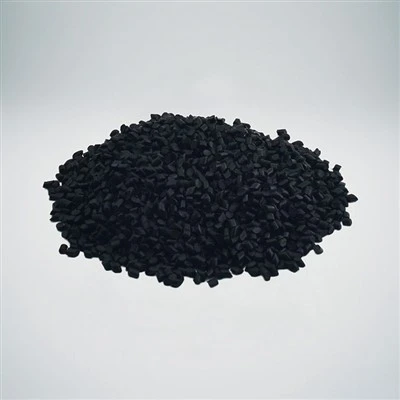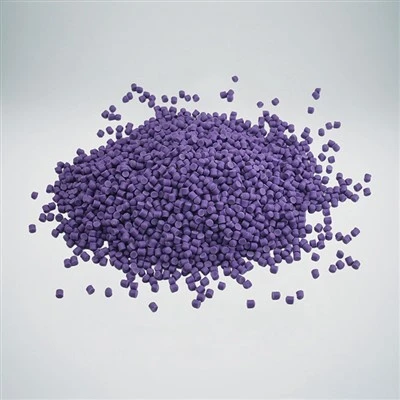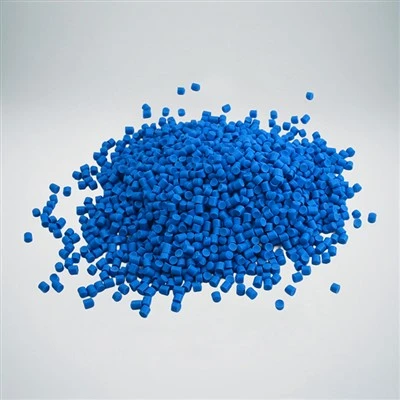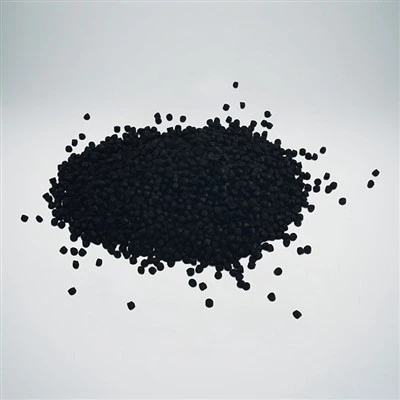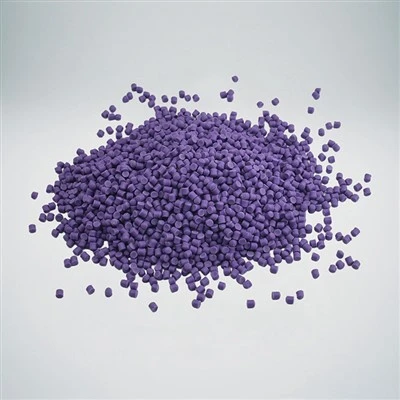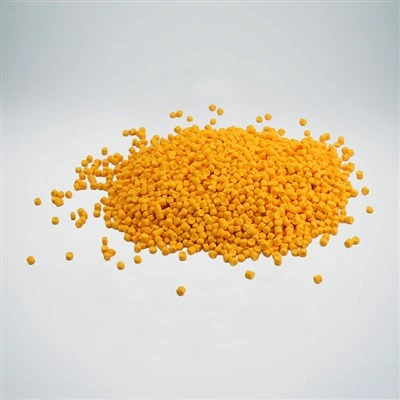

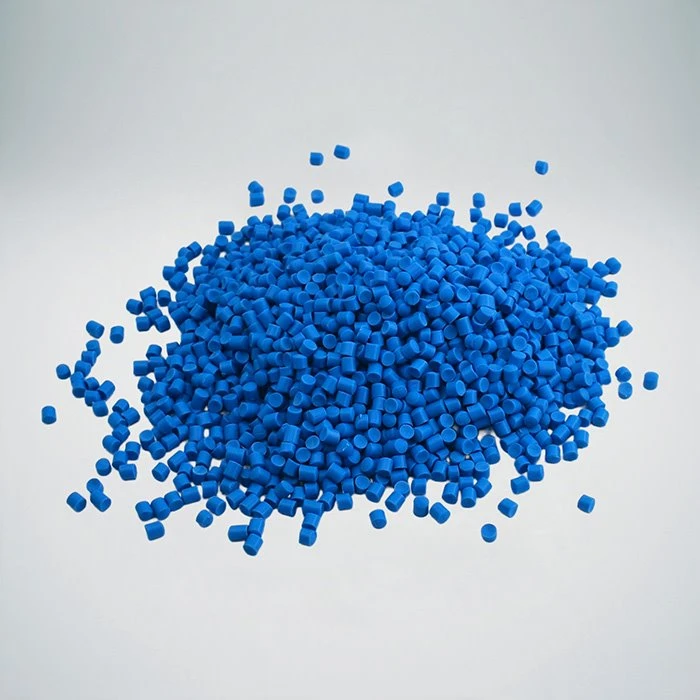
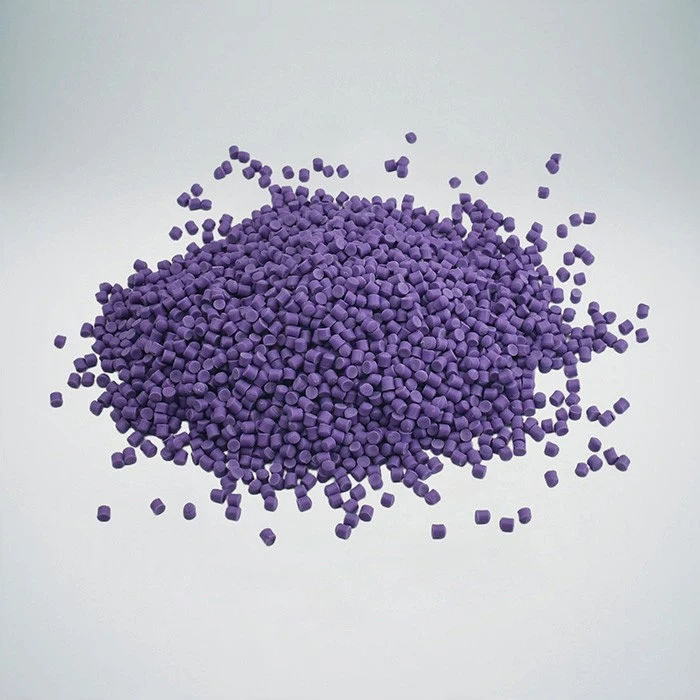
|
Model |
EPC6912 |
|
Product Type |
Anti-Adhesion LSZH Indoor Fiber Optic Cable Compound |
|
Material Type |
Thermoplastic LSZH / HFFR |
|
Primary Application |
Indoor branch fiber optic cable |
|
Key Positioning |
Reduced adhesion between sheath and sub-cable / strand |
|
Processing Benefit |
Easier jacket opening and stripping |
|
Key Properties |
Heat resistance • 14.3 MPa tensile • 230% elongation • OI 35% |
|
Halogen Content |
0 ppm typical |
Product Overview
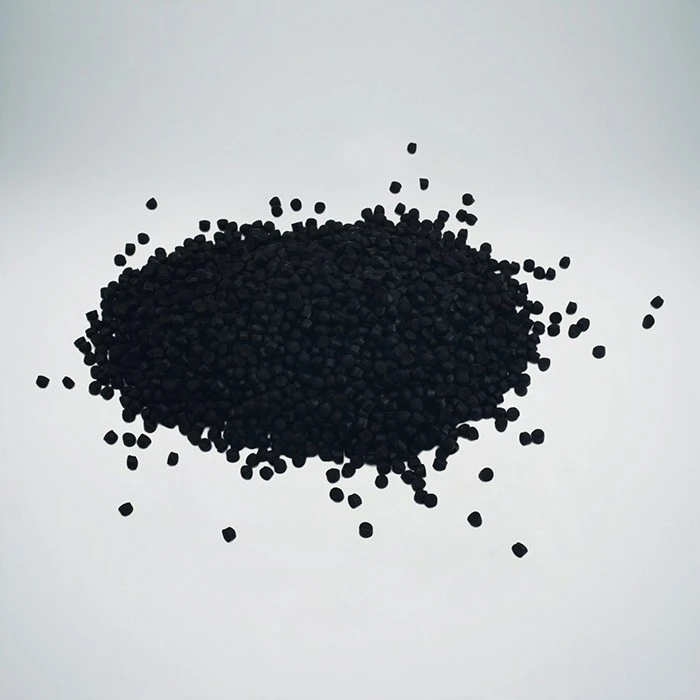
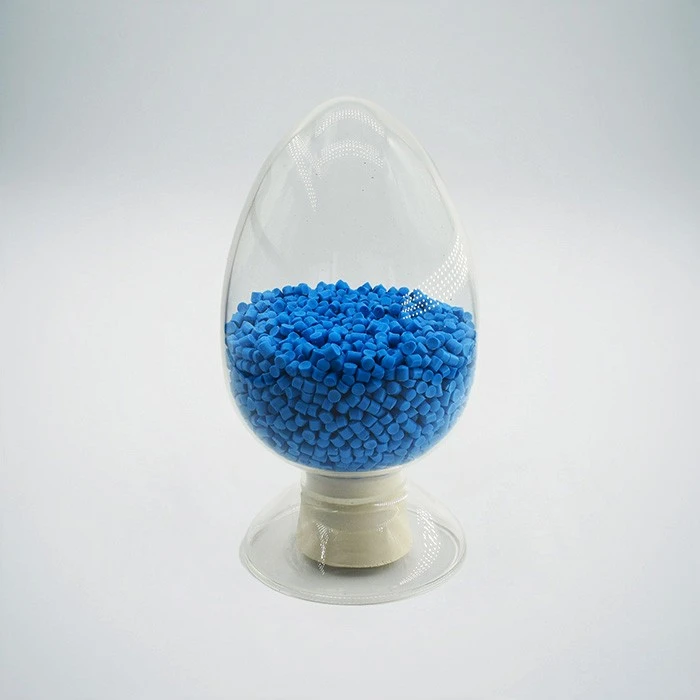
EPC6912 is an Anti-Adhesion Fiber Optic Cable Compound developed for indoor branch fiber optic cable constructions where reduced adhesion between the outer sheath and internal sub-cables or strands is important. The material combines heat resistance, LSZH / HFFR performance and reliable thermoplastic extrusion.
As an Anti-Adhesion LSZH Indoor Fiber Optic Cable Compound, EPC6912 helps reduce sticking between the sheath and the internal cable elements, making jacket opening and stripping easier during installation and termination. This application-specific anti-adhesion function differentiates EPC6912 from standard communication-cable sheathing grades.
Why Choose EPC6912?
1. Anti-Adhesion Design
Developed to reduce adhesion between the sheath and internal sub-cables / strands in indoor branch fiber optic cable constructions.
2. Easier Jacket Opening & Stripping
Reduced sticking helps installers open and strip the jacket more conveniently during branching, termination and field installation.
3. Heat-Resistant Material Profile
EPC6912 is positioned as a heat-resistant thermoplastic LSZH cable material for indoor branch fiber optic cable applications.
4. LSZH / HFFR Performance
Typical halogen content is 0 ppm and oxygen index is 35%, supporting low-smoke zero-halogen cable designs.
5. Reliable Mechanical Properties
Typical tensile strength is 14.3 MPa with 230% elongation at break.
6. Thermoplastic Processing
Can be processed on conventional PVC/PE cable extrusion equipment without post-extrusion irradiation.
Typical Applications
- Indoor branch fiber optic cable jackets
- Indoor breakout / distribution fiber optic cable constructions
- Fiber optic cables requiring easier jacket opening
- Cable constructions requiring reduced sheath-to-sub-cable adhesion
- LSZH / HFFR indoor optical cable applications
- Heat-resistant thermoplastic optical cable sheathing
Where EPC6912 Fits
|
Selection Point |
EPC6912 Positioning |
Customer Benefit |
|
Primary Application |
Indoor branch fiber optic cable |
Application-specific material route |
|
Key Functional Feature |
Anti-adhesion |
Reduced sticking to internal sub-cables / strands |
|
Installation Benefit |
Easy jacket opening / stripping |
More convenient branching and termination |
|
Material Route |
Thermoplastic LSZH / HFFR |
Environment |
|
Heat Performance |
Heat-resistant grade |
Suitable for application conditions requiring improved heat resistance |
Recommended Extrusion Process Temperature
|
Property |
Typical Value |
|
Density |
1.48 g/cm³ |
|
Melt Index |
7.5 g/10 min |
|
Tensile Strength |
14.3 MPa |
|
Elongation at Break |
230% |
|
Aging Test |
110°C × 168 h |
|
Tensile Strength after Aging |
15.8 MPa |
|
Elongation after Aging |
200% |
|
Oxygen Index |
35% |
|
Smoke Density - Flaming |
60 |
|
Smoke Density - Non-Flaming |
200 |
|
Toxicity Index |
1 |
|
Hardness |
Shore A 98 |
|
High-Temperature Pressure Test |
120°C × 4 h |
|
Thermal Deformation |
19% |
|
Low-Temperature Impact @ -25°C |
Pass |
|
Thermal Shock @ 150°C |
Pass |
|
Halogen Content |
0 ppm |
|
pH |
6.1 |
|
Conductivity |
0.9 μS/mm |
|
Volume Resistivity |
1.2 × 10¹² Ω·m |
Performance Interpretation
|
Performance Area |
EPC6912 Positioning |
|
Functional role |
Anti-adhesion indoor branch fiber optic cable material |
|
Installation |
Supports easier jacket opening and stripping |
|
Flame retardancy |
Oxygen index 35% |
|
Smoke / halogen |
LSZH / HFFR; 0 ppm typical halogen content |
|
Mechanical |
14.3 MPa tensile / 230% elongation |
|
Heat performance |
120°C × 4 h pressure test; 150°C thermal shock pass |
|
Processing |
Thermoplastic extrusion; no irradiation |
Recommended Extrusion Conditions
|
Zone |
Zone 1 |
Zone 2 |
Zone 3 |
Zone 4 |
Zone 5 |
Neck |
Head |
Mould |
|
Temperature |
100°C |
110°C |
125°C |
135°C |
150°C |
155°C |
160°C |
165°C |
Processing Guidelines
- EPC6912 can be processed on conventional PVC/PE cable extrusion equipment.
- Recommended profile: 100°C / 110°C / 125°C / 135°C / 150°C / 155°C / 160°C / 165°C.
- Keep melt temperature below approximately 165°C and do not exceed 175°C during extrusion.
- A low-compression screw and head are recommended, with a compression ratio around 1:1.2.
- Optimize die design, cooling and line speed according to cable structure, jacket thickness and required stripping behavior.
- Validate anti-adhesion and stripping performance on the customer's actual finished cable construction.
Indoor Fiber Optic Cable Material Selection
|
Cable Layer / Need |
Recommended Grade |
Reason |
Primary Positioning |
|
Optical fiber tight buffer |
EPC6901 |
Dedicated tight-buffer / protective layer around optical fiber |
Tight buffer |
|
Indoor branch optical cable with anti-adhesion need |
EPC6912 |
Reduced sheath-to-sub-cable adhesion; easier opening / stripping |
Anti-adhesion / easy strip |
|
Communication cable outer sheath with CPR target |
EPC6907 / EPC6908 / EPC6910 / EPC6906 |
Dedicated communication-cable sheathing route by CPR target |
CPR outer sheath |
Free Sample & Technical Support
For faster grade selection and trial evaluation, please provide:
- Indoor fiber optic cable type and construction
- Number and structure of internal sub-cables / strands
- Jacket thickness and overall diameter
- Required jacket opening / stripping behavior
- Operating and installation temperature
- LSZH / halogen-free and flame requirements
- Extrusion equipment and line speed
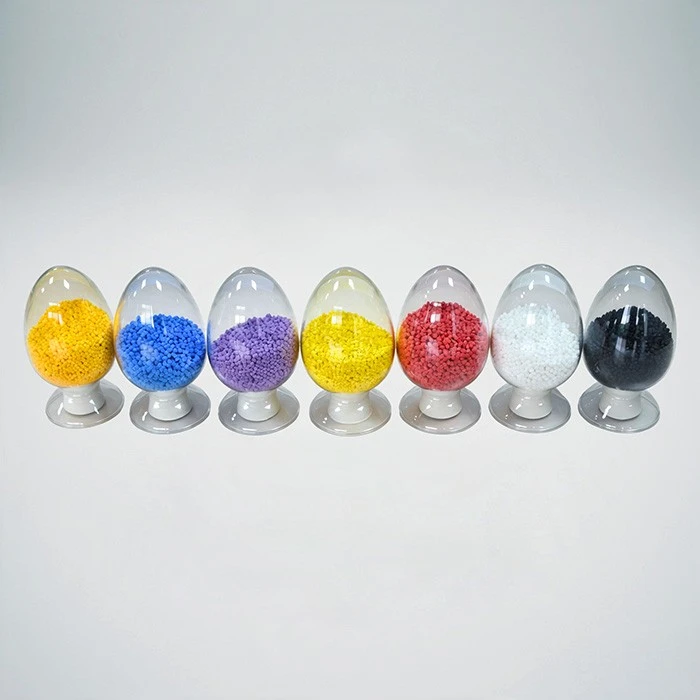
- Color and surface requirements
- Trial quantity
- Estimated annual volume
FAQ
Q: What is EPC6912?
A: EPC6912 is an Anti-Adhesion LSZH Indoor Fiber Optic Cable Compound developed for indoor branch fiber optic cable constructions.
Q: What is the key advantage of EPC6912?
A: Its key functional advantage is reduced adhesion between the sheath and internal sub-cables or strands, helping make jacket opening and stripping easier.
Q: What cable application is EPC6912 designed for?
A: It is specifically positioned for indoor branch fiber optic cable and related breakout / distribution optical cable constructions.
Q: Is EPC6912 a tight buffer compound?
A: No. EPC6901 is the dedicated tight-buffer material in this product group. EPC6912 is positioned for anti-adhesion indoor branch fiber optic cable applications.
Q: What is the oxygen index of EPC6912?
A: The supplied technical data lists a typical oxygen index of 35%.
Q: What are its typical mechanical properties?
A: Typical tensile strength is 14.3 MPa and elongation at break is 230%.
Q: What heat-resistance data is reported?
A: The supplied data lists a 120°C × 4 h high-temperature pressure test and a pass in the 150°C thermal-shock test.
Q: Does EPC6912 require irradiation?
A: No. It is a thermoplastic extrusion compound.
Q: Can it be processed on conventional cable extrusion equipment?
A: Yes. It can be processed on conventional PVC/PE extrusion equipment using the recommended temperature and screw configuration.
Q: Can I request a sample?
A: Yes. Trial evaluation on the customer's actual indoor fiber optic cable construction is recommended to verify anti-adhesion and stripping behavior.
Need an Anti-Adhesion Fiber Optic Cable Compound?
Send us your cable construction, internal sub-cable structure, jacket thickness, stripping requirements, extrusion conditions, color and trial quantity.
Hot Tags: anti-adhesion fiber optic cable compound, China anti-adhesion fiber optic cable compound manufacturers, suppliers, factory, Anti Adhesion LSZH Cable Compound, Communication Cable LSZH Sheathing Compound, Dca Communication Cable Sheathing Material, GB T 31247 B1 Cable Compound, Low Smoke Zero Halogen Fiber Compound, Thermoplastic Tight Buffer Compound