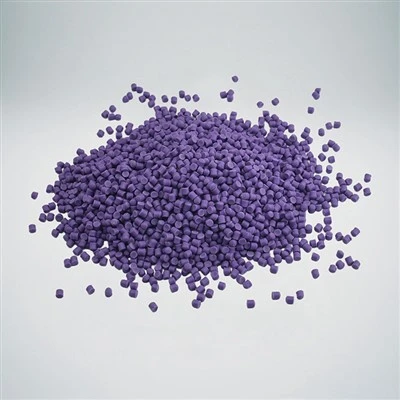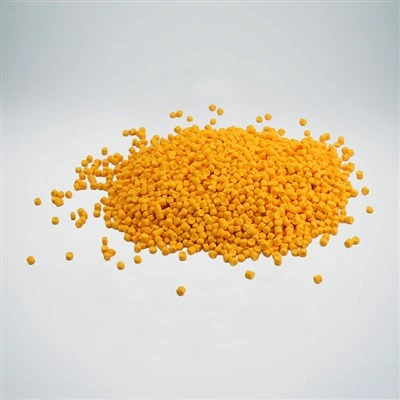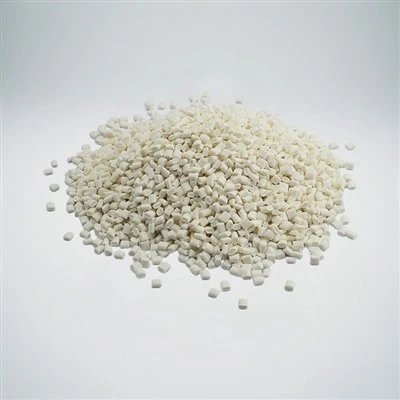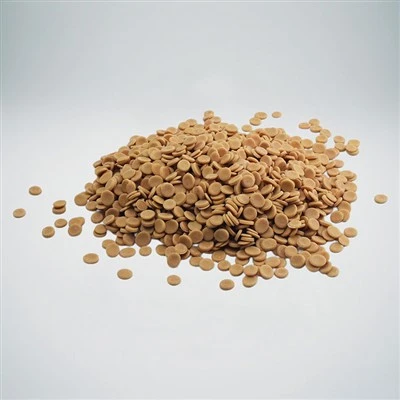

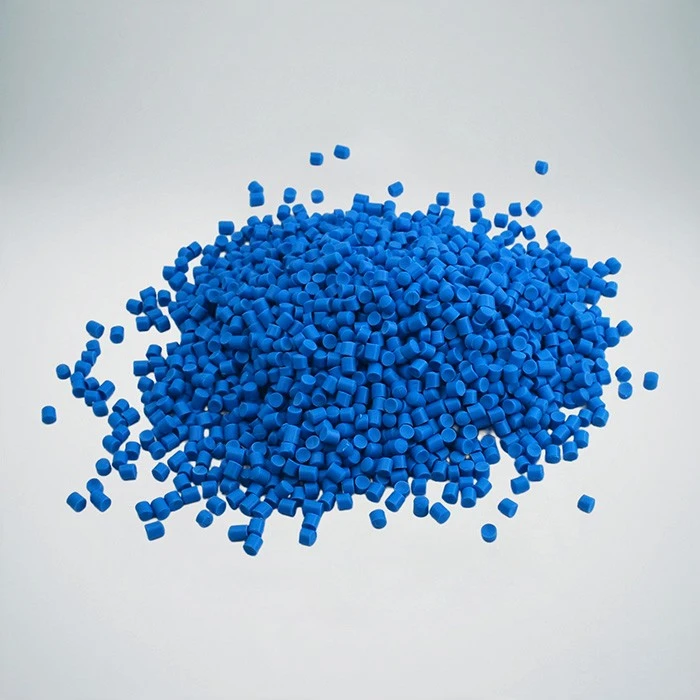
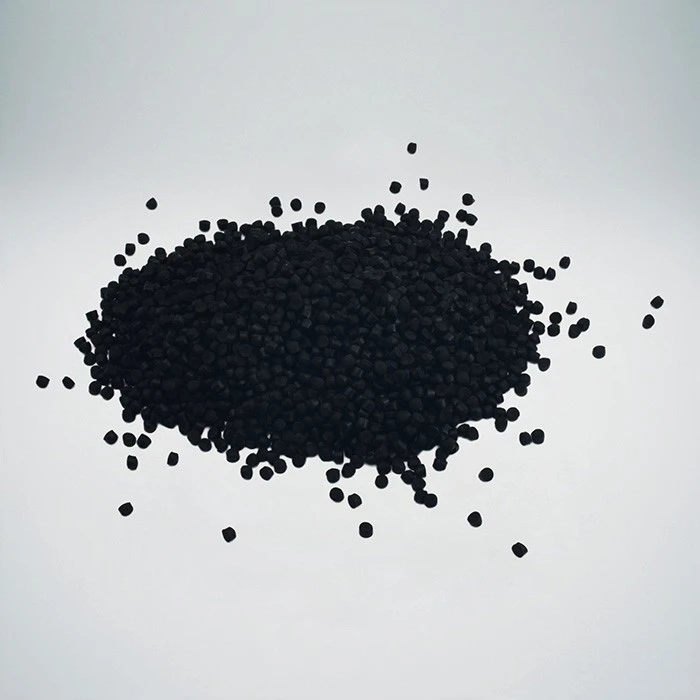
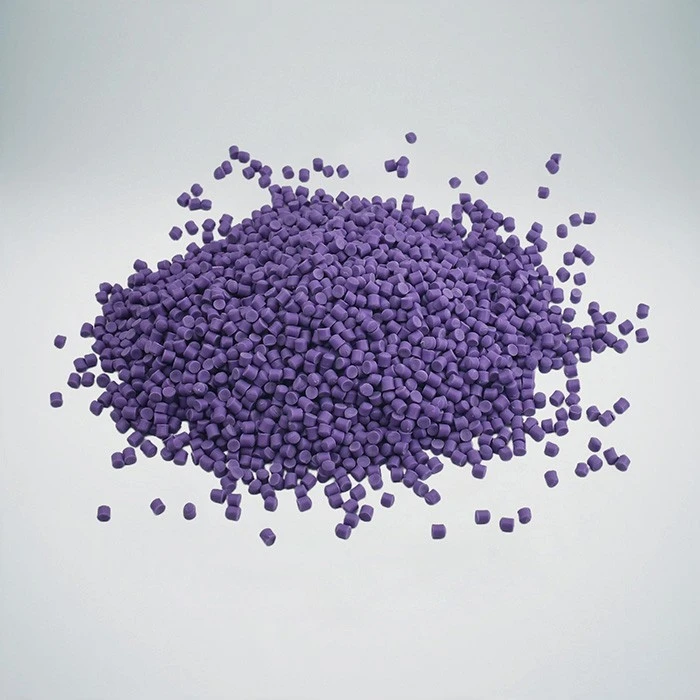
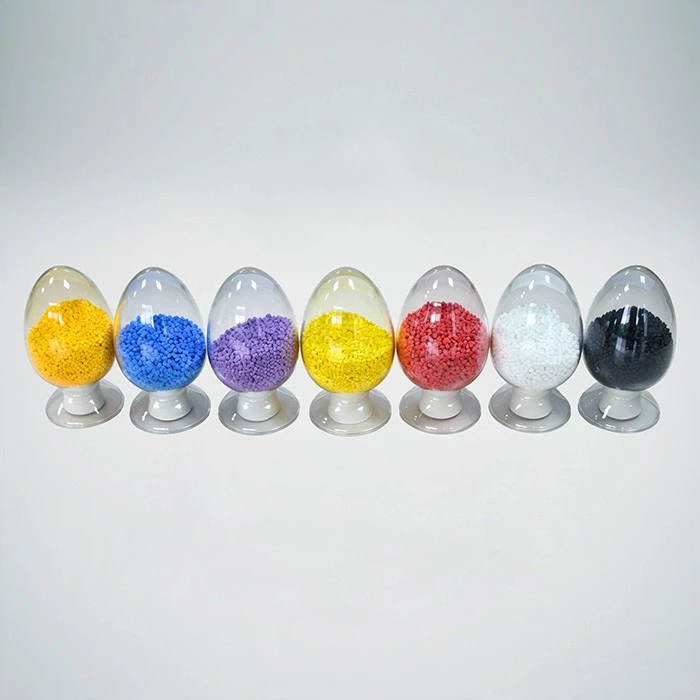
Product Overview
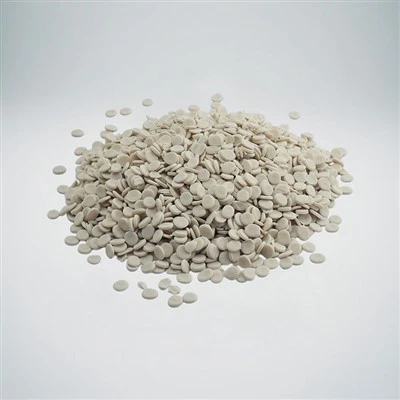
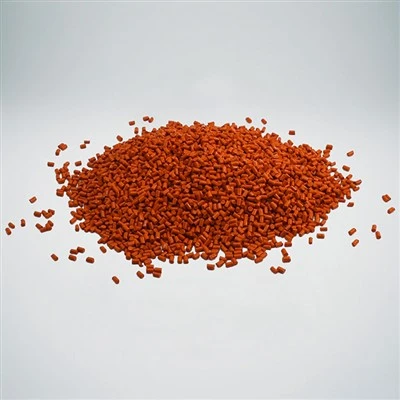
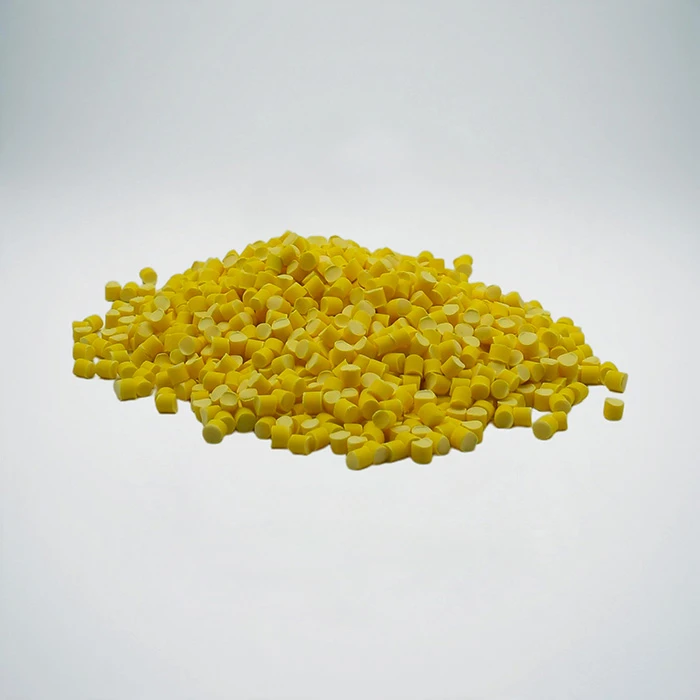
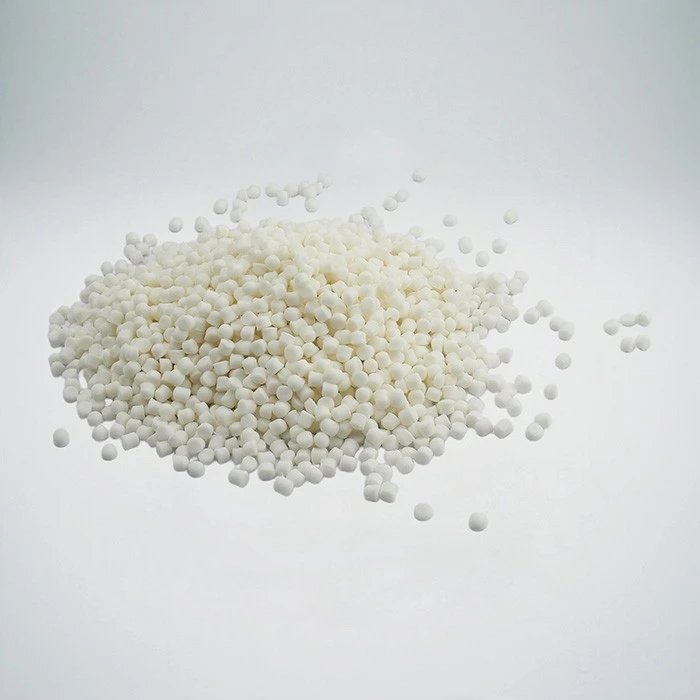
These irradiation-crosslinked LSZH / HFFR compounds are developed for energy-storage cable insulation and sheathing used in ESS, BESS and stationary battery-storage systems.
The materials are designed for cable constructions targeting TÜV 2 PfG 2693 requirements, with 90°C and 125°C temperature options available for both insulation and outer sheath applications.
Typical performance includes low surface hardness, -40°C low-temperature winding capability, zero-halogen characteristics, and resistance to acid / alkali, salt fog and UV exposure. Electron-beam irradiation after extrusion is used to achieve the required cross-linked structure, with a recommended irradiation dose of 12-15 MRad.
Choose the Right Grade
|
Grade |
Temperature |
Cable Layer |
Key Positioning |
Recommended Use |
|
EPC99010-I |
90°C |
Insulation |
Electrical insulation |
90°C ESS/BESS cable insulation |
|
EPC99010-M |
90°C |
Sheath / Jacket |
External protection |
90°C ESS/BESS outer jacket |
|
EPC92510-I |
125°C |
Insulation |
Higher-temperature insulation |
125°C ESS/BESS cable insulation |
|
EPC92510-M |
125°C |
Sheath / Jacket |
Higher-temperature outer protection |
125°C ESS/BESS outer jacket |
Series Highlights
- 90°C and 125°C matched insulation / sheath material systems
- Low surface hardness for flexible routing in battery racks and ESS cabinets
- Acid / alkali, salt-fog, UV and low-temperature performance data within the series
- Typical halogen content of 0 ppm across the four grades
- Recommended electron-beam irradiation dose: 12-15 MRad
Typical Applications
- ESS and BESS power cables
- Battery rack and cabinet interconnection cables
- Stationary battery-storage wiring
- Energy-storage DC cable insulation
- Energy-storage cable outer jackets
- Cross-linked LSZH cable constructions
Grade Selection by Temperature & Cable Layer
|
Temperature |
Insulation |
Sheath / Jacket |
|
90°C |
EPC99010-I |
EPC99010-M |
|
125°C |
EPC92510-I |
EPC92510-M |
What Changes Between 90°C and 125°C?
The 99010 grades are the 90°C route, while the 92510 grades are the 125°C route. Within the same cable layer, temperature class is the main selection factor. The 125°C grades use a 158°C × 168 h aging condition in the supplied data, while the 90°C grades have their own lower-temperature aging conditions.
What Changes Between Insulation and Sheathing?
The I grades are intended for conductor insulation and prioritize electrical insulation performance. The M grades are intended for the cable outer sheath / jacket and are selected for external mechanical and environmental protection. Insulation and sheath grades should not be treated as interchangeable even when the temperature class is the same.
Environmental Performance Focus
|
Grade |
Low Temperature |
Acid / Alkali |
Salt Fog |
UV |
|
EPC99010-I |
-40°C winding: Pass |
23°C × 168 h |
35°C × 336 h |
720 h evaluation |
|
EPC99010-M |
-40°C winding: Pass |
23°C × 168 h |
35°C × 336 h |
720 h |
|
EPC92510-I |
-40°C winding: Pass |
23°C × 168 h |
35°C × 336 h |
720 h |
|
EPC92510-M |
-40°C winding: Pass |
23°C × 168 h |
35°C × 336 h |
720 h |
Key Grade Differences
EPC99010-I: 90°C insulation; Shore A 86; 200% elongation; 35% low-temperature elongation rate.
EPC99010-M: 90°C sheath; Shore A 85; 220% elongation; 37% low-temperature elongation rate.
EPC92510-I: 125°C insulation; Shore A 85; 215% elongation; 158°C × 168 h aging.
EPC92510-M: 125°C sheath; Shore A 85; 210% elongation; 158°C × 168 h aging.
Recommended Extrusion Process Temperature
|
Test Item |
EPC99010-I |
EPC99010-M |
EPC92510-I |
EPC92510-M |
|
Density |
1.48 g/cm³ |
1.48 g/cm³ |
1.47 g/cm³ |
1.49 g/cm³ |
|
Melt Index |
4.5 g/10 min |
6.6 g/10 min |
6.4 g/10 min |
6.1 g/10 min |
|
Tensile Strength |
10.8 MPa |
9.3 MPa |
9.5 MPa |
9.7 MPa |
|
Elongation at Break |
200% |
220% |
215% |
210% |
|
Aging Test |
135°C × 168 h |
120°C × 168 h |
158°C × 168 h |
158°C × 168 h |
|
Tensile after Aging |
12.2 MPa |
11.1 MPa |
10.9 MPa |
11.2 MPa |
|
Elongation after Aging |
177% |
190% |
191% |
181% |
|
Salt Fog Test |
35°C × 336 h |
35°C × 336 h |
35°C × 336 h |
35°C × 336 h |
|
Tensile after Salt Fog |
9.1 MPa |
8.8 MPa |
8.9 MPa |
9.0 MPa |
|
Elongation after Salt Fog |
175% |
188% |
188% |
181% |
|
Oxygen Index |
31% |
30% |
31% |
30% |
|
Hardness |
Shore A 86 |
Shore A 85 |
Shore A 85 |
Shore A 85 |
|
Smoke Density - Flaming |
55 |
63 |
66 |
52 |
|
Smoke Density - Non-Flaming |
207 |
210 |
205 |
213 |
|
High-Temperature Stress |
100°C × 1 h |
-- |
-- |
-- |
|
Thermal Deformation |
21% |
-- |
-- |
-- |
|
Low-Temperature Winding @ -40°C |
Pass |
Pass |
Pass |
Pass |
|
Low-Temperature Elongation Rate |
35% |
37% |
-- |
-- |
|
Halogen Content |
0 ppm |
0 ppm |
0 ppm |
0 ppm |
|
pH |
≥ 5.6 |
≥ 6.4 |
≥ 5.6 |
≥ 5.8 |
|
Conductivity |
≤ 1.0 μS/mm |
≤ 0.2 μS/mm |
≤ 1.2 μS/mm |
≤ 0.8 μS/mm |
|
Volume Resistivity |
2 × 10¹² Ω·m |
3 × 10¹² Ω·m |
4 × 10¹² Ω·m |
2.5 × 10¹² Ω·m |
|
Hot Set @ 250°C × 15 min |
40% |
30% |
45% |
60% |
|
Permanent Deformation |
5% |
5% |
5% |
5% |
|
Acid & Alkali Immersion |
23°C × 168 h |
23°C × 168 h |
23°C × 168 h |
23°C × 168 h |
|
Tensile after Acid/Alkali |
8.8 MPa |
8.1 MPa |
7.9 MPa |
8.0 MPa |
|
Elongation after Acid/Alkali |
179% |
188% |
187% |
185% |
|
Ozone Resistance @ 25°C × 4 h |
Pass |
Pass |
-- |
-- |
|
UV Resistance |
720 h evaluation |
720 h |
720 h |
720 h |
|
Thermal Shrinkage @ 158°C × 1 h |
-- |
1.8% |
1.6% |
1.6% |
|
Tensile after UV Test |
-- |
7.8 MPa |
8.0 MPa |
9.1 MPa |
|
Elongation after UV Test |
-- |
189% |
189% |
-- |
Note: Values are typical material data from the supplied product documents. A dash means the corresponding item is not listed in the available grade data. Final finished-cable performance and TÜV 2 PfG 2693 suitability must be verified on the actual cable construction.
Recommended Extrusion & Irradiation Conditions
|
Zone 1 |
Zone 2 |
Zone 3 |
Zone 4 |
Zone 5 |
Neck |
Head |
Mould |
|
100°C |
110°C |
125°C |
135°C |
150°C |
155°C |
160°C |
165°C |
Processing Guidelines
- The EPC99010 and EPC92510 Series can be processed on conventional PVC/PE cable extrusion equipment.
- Keep melt temperature at or below approximately 165°C; maximum 175°C.
- A low-compression screw and head are recommended; compression ratio approximately 1:1.2.
- Recommended electron-beam irradiation dose: 12-15 MRad.
- No additional drying is normally required when packaging is intact. After prolonged humid storage, dry at about 70°C for 4 hours.
- Optimize conductor size, insulation/sheath thickness, line speed, cooling and irradiation dose on the actual cable construction..
Free Sample & Technical Support
For grade selection, please provide the target temperature class, insulation or sheath layer, cable structure, conductor size, wall thickness, minimum operating temperature, environmental-resistance requirements and irradiation conditions. Samples can be supplied for extrusion, irradiation and finished-cable evaluation.
Fast Selection Shortcut
|
Project Requirement |
Recommended Grade |
|
90°C + insulation |
EPC99010-I |
|
90°C + sheath / jacket |
EPC99010-M |
|
125°C + insulation |
EPC92510-I |
|
125°C + sheath / jacket |
EPC92510-M |
FAQ
1. What products are included in the energy-storage cable series?
The series includes EPC99010-I, EPC99010-M, EPC92510-I and EPC92510-M, covering 90°C and 125°C insulation and sheathing.
2. Which grade should I choose for 90°C insulation?
EPC99010-I is the 90°C insulation grade for ESS, BESS and stationary battery-storage cable constructions.
3. Which grade should I choose for 90°C sheathing?
EPC99010-M is the 90°C outer sheath / jacket grade.
4. Which grade should I choose for 125°C insulation?
EPC92510-I is the higher-temperature 125°C insulation grade.
5. Which grade should I choose for 125°C sheathing?
EPC92510-M is the 125°C outer sheath / jacket grade.
6. Which standard route is referenced for this family?
The supplied product information positions the series for finished energy-storage cable constructions targeting TÜV 2 PfG 2693 requirements.
7. What irradiation dose is recommended?
The recommended starting electron-beam irradiation dose for all four grades is 12-15 MRad.
8. Are the four grades low-smoke and zero-halogen materials?
The product family is positioned as LSZH / HFFR, and the supplied technical data lists typical halogen content of 0 ppm for all four grades.
9. What environmental-performance data are available?
The series includes acid/alkali, salt-fog, UV and -40°C low-temperature data. The exact results for each grade are shown in the technical comparison table.
10. Does Energy Storage LSZH Cable Compounds provide samples and technical support?
Yes. Samples and process support can be provided for extrusion, irradiation and finished-cable evaluation. Providing the cable layer and target temperature class helps identify the correct grade quickly.
Hot Tags: energy storage lszh cable compound, China energy storage lszh cable compound manufacturers, suppliers, factory, energy storage cable compounds, energy storage cable sheathing compound