
|
Temperature Rating |
Flame Target |
Halogen Positioning |
Crosslinking |
|
125°C |
FT-2 |
Zero Halogen |
E-Beam, 10-12 MRad |
125°C | FT-2 Target | Zero Halogen | High Elongation | E-Beam Crosslinking
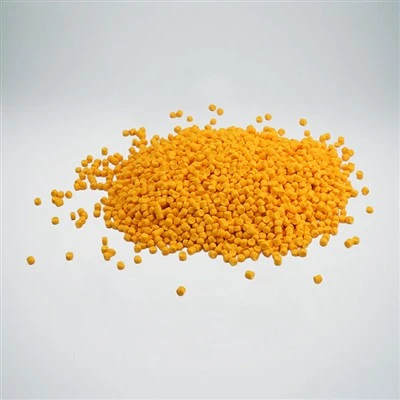
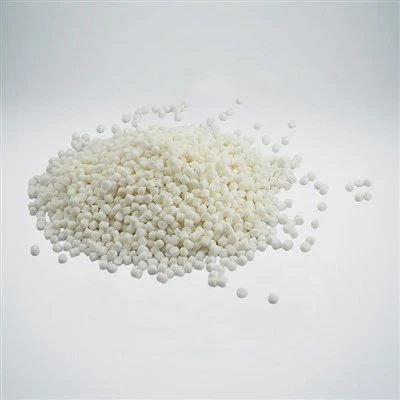
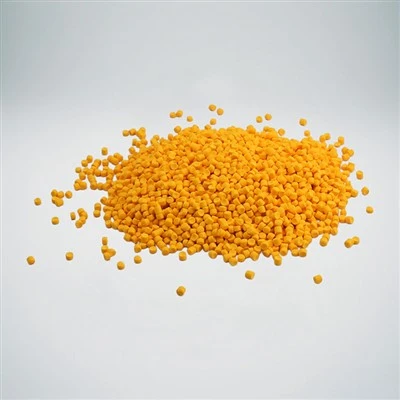
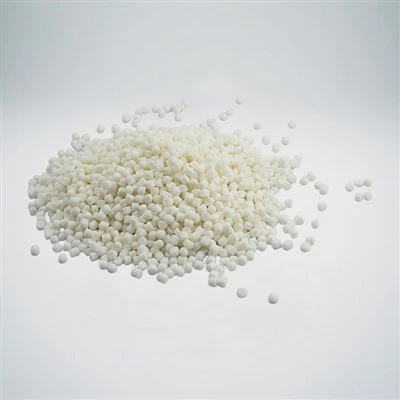
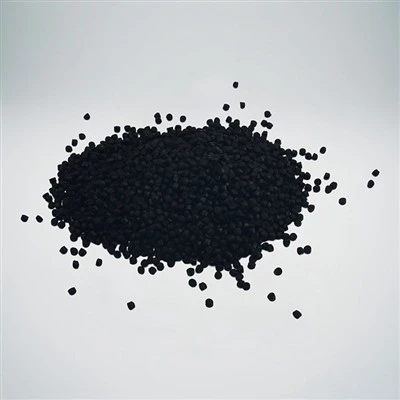
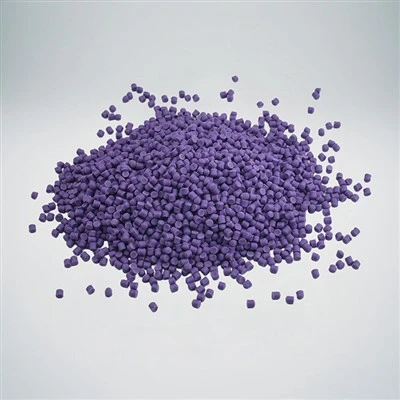
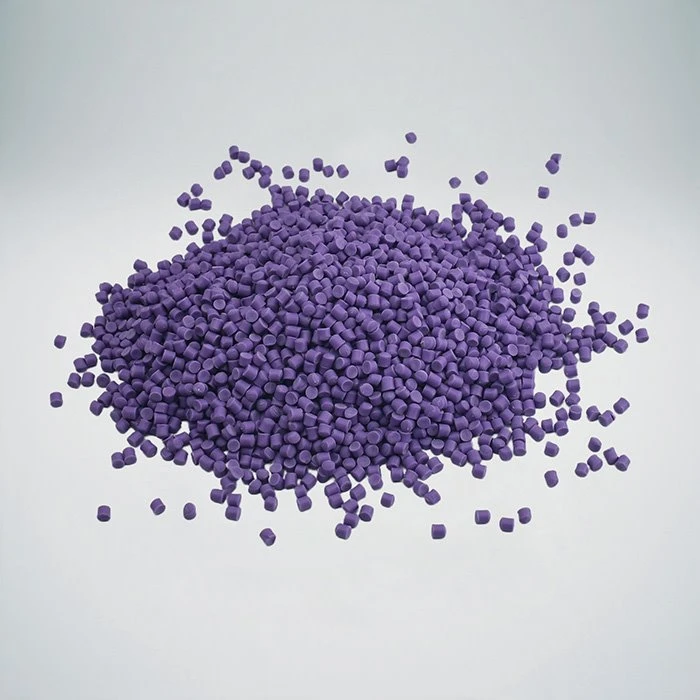
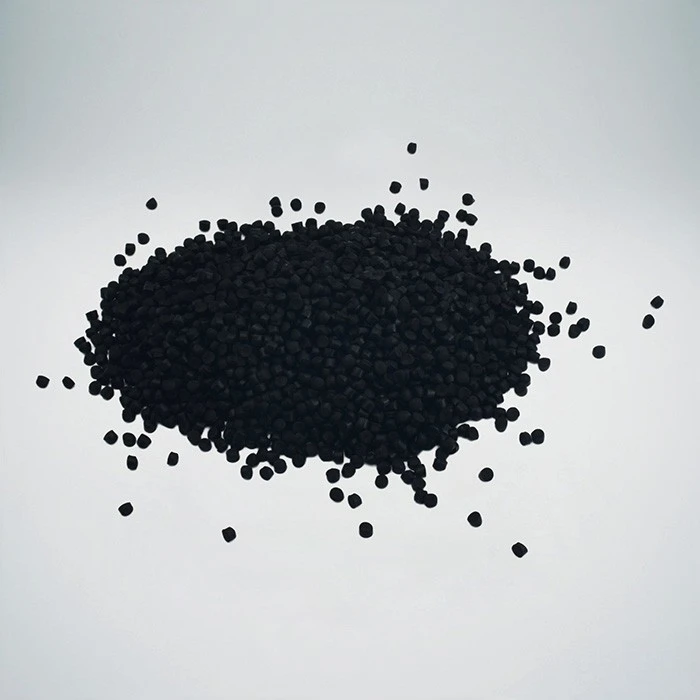
EPC9252 is developed for 125°C wire insulation where zero-halogen construction, flexibility and FT-2 finished-wire flame performance are required. Its typical 345% elongation gives this grade a distinctly flexible mechanical profile within the high-temperature UL-oriented XLPO family.
The key value of this 125°C UL FT-2 XLPO Wire Compound is not simply a higher temperature rating. EPC9252 combines a 125°C application platform, zero-halogen formulation, FT-2-oriented finished-wire performance and strong elongation retention after 158°C × 168 h heat aging, making it suitable for electronic, electrical equipment and motor-lead wire projects.
EPC9252 Performance Focus
- 125°C XLPO insulation platform for electronic and electrical wire.
- FT-2-oriented formulation for finished-wire horizontal flame testing.
- Zero-halogen route with typical halogen content of 0 ppm.
- High typical elongation of 345% for flexible insulation constructions.
- 15.1 MPa tensile strength with 300% elongation retained after heat aging.
- 158°C × 168 h aging condition supporting the 125°C material positioning.
- Electrical insulation supported by typical volume resistivity of 2.5 × 10¹² Ω·m.
- Electron-beam crosslinking after extrusion; recommended dose 10-12 MRad.
Why EPC9252 for 125°C FT-2 Wire?
- FT-2 as the page's primary flame route: EPC9252 is positioned for finished-wire constructions targeting FT-2 rather than VW-1.
- 125°C zero-halogen combination: suitable when the project requires a higher thermal class than 105°C while retaining a halogen-free formulation.
- High elongation as a mechanical differentiator: 345% typical elongation supports flexible wire insulation and motor-lead applications.
- Aging retention for 125°C projects: after 158°C × 168 h aging, typical elongation remains 300%, giving customers a clear qualification point beyond generic LSZH claims.
Typical Applications
- Electronic wire requiring 125°C insulation
- Electrical equipment wiring
- Motor lead wire
- Internal appliance and equipment wire
- Control, connection and other 125°C zero-halogen wire constructions targeting FT-2 performance
Designed Around 125°C FT-2 Wire Performance
FT-2 is evaluated on the completed wire rather than on the raw compound alone. For EPC9252 projects, insulation thickness, conductor size, extrusion stability and irradiation conditions should be developed around the finished-wire FT-2 target. The material's high elongation and aged-property retention provide useful room for wire-design optimization, but final compliance still depends on the complete construction.
Typical Technical Data
|
Property |
Typical Value |
|
Density |
1.38 g/cm³ |
|
Melt Index |
11 g/10 min |
|
Tensile Strength |
15.1 MPa |
|
Elongation at Break |
345% |
|
Heat Aging |
158°C × 168 h |
|
Tensile after Aging |
16.3 MPa |
|
Elongation after Aging |
300% |
|
Oxygen Index |
29% |
|
Hardness |
Shore A 95 |
|
Low-Temperature Impact |
Pass @ -25°C |
|
Volume Resistivity |
2.5 × 10¹² Ω·m |
Recommended Production Route
1. Confirm the 125°C wire design, conductor size, insulation thickness and FT-2 target.
2. Extrude EPC9252 with stable wall thickness, conductor centering and surface quality.
3. Cross-link the insulation by electron-beam irradiation; use 10-12 MRad as the recommended starting range.
4. Verify tensile, elongation and 158°C × 168 h aging retention after irradiation.
5. Test FT-2 on the finished wire and adjust insulation thickness / irradiation conditions where required.
6. Freeze production parameters only after the complete wire construction passes project qualification.
Project Trial & Technical Support
For EPC9252 projects, technical support can focus on 125°C wire design, insulation flexibility, wall thickness, extrusion stability, irradiation dose and finished-wire FT-2 testing. Please send conductor size, insulation thickness, target wire standard and test requirement for sample evaluation.
FAQ
1. What is the main positioning of EPC9252?
EPC9252 is a 125°C zero-halogen irradiation-crosslinked XLPO compound for wire insulation constructions targeting FT-2 finished-wire flame performance.
2. What makes EPC9252 different from a generic 125°C XLPO compound?
Its page positioning combines 125°C service, zero-halogen formulation, FT-2 application and high typical elongation of 345%.
3. Is EPC9252 zero halogen?
Yes. The supplied product data lists typical halogen content of 0 ppm.
4. What is the typical elongation?
The supplied data lists 345% elongation at break after irradiation, making flexibility one of EPC9252's strongest material differentiators.
5. What heat-aging condition is listed?
The supplied data lists 158°C × 168 h heat aging, followed by typical tensile strength of 16.3 MPa and elongation of 300%.
6. What is the typical oxygen index?
The supplied data lists a typical oxygen index of 29%.
7. Does EPC9252 itself guarantee FT-2 compliance?
No. FT-2 is determined on the finished wire. Conductor size, insulation thickness, extrusion and irradiation conditions all affect the final result.
8. What irradiation dose is recommended?
10-12 MRad is the recommended starting range for electron-beam crosslinking. Final settings should be validated on the actual wire construction.
9. Which applications are the best fit?
125°C electronic wire, electrical equipment wire, motor lead wire and other flexible zero-halogen XLPO insulation constructions targeting FT-2.
10. What information should I send for a sample trial?
Please provide target wire standard, conductor size, insulation thickness, 125°C requirement, FT-2 target, extrusion line information and irradiation conditions.
Hot Tags: 125°c ul ft-2 xlpo wire compound, China 125°c ul ft-2 xlpo wire compound manufacturers, suppliers, factory, 105 C HFFR Cable Compound, 125 C Crosslinkable LSZH Cable Compound, 150 C XLPO Cable Compound, Class A bundled flame wire compound, Electron Beam Crosslinkable LSZH Compound, WDZ YJ J125 Cable Compound