
|
Temperature |
Flame Target |
Halogen Positioning |
Processing Signature |
|
125°C |
VW-1 |
Low Halogen / Low Smoke |
High Flow, MI 28 g/10 min |
125°C | Low Halogen | VW-1 Target | MI 28 | 450% Elongation | E-Beam
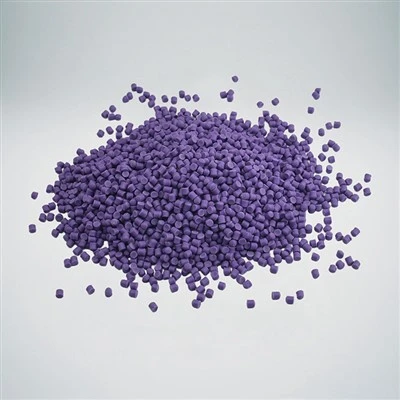
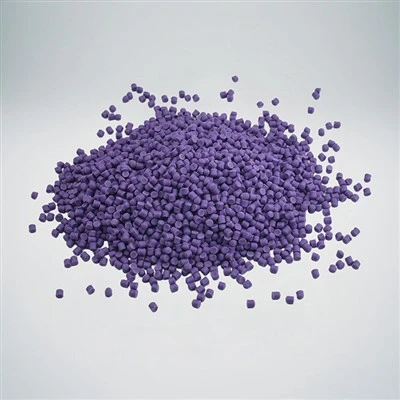
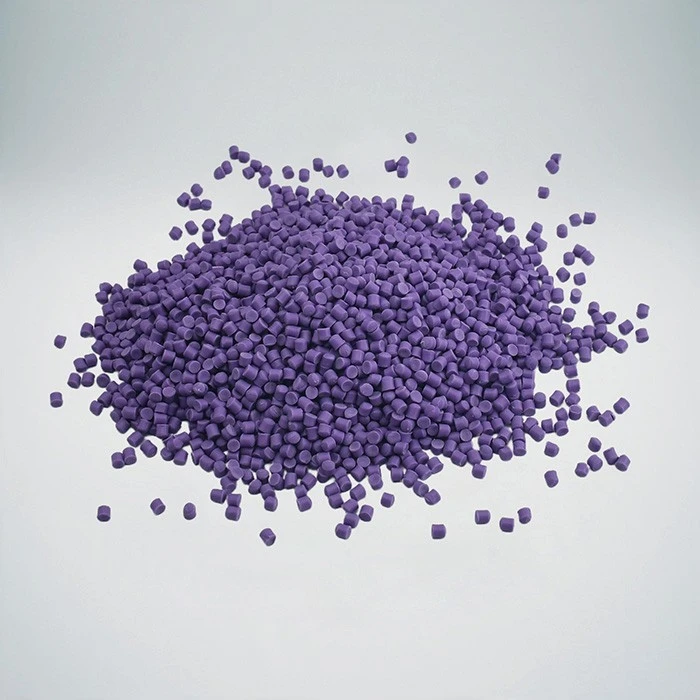
LFR9252 is a XLPO Compound developed for wire insulation projects where 125°C thermal performance and VW-1 vertical-flame positioning are required, while a low-halogen formulation is acceptable. Its technical profile is notably different from a zero-halogen FT-2 grade: LFR9252 combines high melt flow, very high elongation and a low-smoke, low-halogen flame-retardant formulation.
Two values define the processing and mechanical character of this 125°C UL VW-1 Low-Halogen XLPO Compound: a typical melt index of 28 g/10 min and post-irradiation elongation of 450%. Together with 17.3 MPa tensile strength and 397% elongation retained after 158°C × 168 h aging, these properties make LFR9252 a strong candidate for flexible, fine-wall and high-flow 125°C VW-1 wire designs.
LFR9252 Performance Signature
- Temperature/Flame Rating: 125°C low‑smoke, low‑halogen XLPO; designed to meet VW‑1 vertical‑flame requirements for finished wires.
- Processability: High melt flow (MI = 28 g/10 min) supports smooth extrusion in high‑throughput projects.
- Post‑Crosslinking Elongation: Achieves 450% elongation after e‑beam irradiation.
- Aging Resistance: Retains 397% elongation after 158°C × 168 h aging, indicating excellent thermal stability.
- Mechanical & Electrical: Typical tensile strength of 17.3 MPa and volume resistivity of 1.8 × 10¹³ Ω·m after irradiation.
Why LFR9252 Stands Apart
- High-flow formulation: MI 28 g/10 min gives LFR9252 a processing identity that is very different from lower-flow UL XLPO grades.
- Low-halogen + VW-1 route: the material is intentionally positioned for stronger vertical-flame requirements where a low-halogen solution is acceptable.
- Exceptional elongation: 450% post-irradiation elongation supports flexible insulation designs and provides substantial mechanical margin.
- Heat-aging retention: after 158°C × 168 h, typical elongation remains 397%, supporting demanding 125°C wire qualification.
Typical Applications
- 125°C‑rated electronic hook‑up wire
- Internal leads for household appliances and electronic equipment
- Motor lead wires and machinery interconnection cables
- Industrial power and control wiring
- Thin‑wall or pliable low‑halogen wire designs with a VW‑1 rating target
High Flow Changes the Extrusion Strategy
LFR9252's typical melt index of 28 g/10 min is one of its strongest differentiators. Higher flow can support efficient filling and fine-wall insulation, but it also means extrusion temperature, draw-down, line speed, conductor centering and cooling should be tuned specifically for the actual wire geometry. The goal is not simply maximum output; it is stable insulation thickness and surface quality before irradiation and VW-1 finished-wire testing.
Typical Technical Data
|
Property |
Typical Value |
|
Density |
1.33 g/cm³ |
|
Melt Index |
28 g/10 min |
|
Tensile Strength |
17.3 MPa |
|
Elongation at Break |
450% |
|
Heat Aging |
158°C × 168 h |
|
Tensile after Aging |
18.5 MPa |
|
Elongation after Aging |
397% |
|
Oxygen Index |
34% |
|
Hardness |
Shore A 95 |
|
High-Temperature Pressure |
121°C × 1 h |
|
Thermal Deformation |
28% |
|
Low-Temperature Impact |
Pass @ -25°C |
|
Thermal Shock |
Pass @ 150°C |
|
Volume Resistivity |
1.8 × 10¹³ Ω·m |
|
Hot Set |
60% @ 200°C × 15 min |
|
Permanent Deformation |
6% |
Recommended Trial Sequence
1. Confirm that the low‑halogen composition is suitable for the target 125°C wire design.
2. Set up extrusion conditions tailored to the MI 28 high‑flow grade, focusing on wall thickness uniformity and conductor centering.
3. Inspect surface quality and insulation dimensions before crosslinking.
4. Apply electron‑beam irradiation with a recommended starting dose of 10–12 MRad.
5. Validate tensile, elongation, hot‑set, and 158°C/168h aging retention after irradiation.
6. Perform VW‑1 testing on the finished wire and fine‑tune the overall process as needed.
Hot Tags: 125°c ul vw-1 low-halogen xlpo compound, China 125°c ul vw-1 low-halogen xlpo compound manufacturers, suppliers, factory, 105 C Crosslinkable LSZH Cable Compound, 150 C XLPO Cable Compound, crosslinked polyolefin VW 1 material, E beam crosslinked VW 1 insulation, Irradiation Crosslinkable XLPO Compound, MI 28 XLPO insulation compound