
|
Item |
Content |
|
Model |
EPC9051 |
|
Product Type |
105°C Crosslinkable LSZH Compound |
|
Cross-Linking Method |
Electron Beam / Irradiation Cross-Linking |
|
Recommended Irradiation Dose |
10–12 MRad |
|
Standard / Grade |
GB/T 32129-2015 • WDZ-YJ-J105 |
|
Application |
105°C Halogen-Free Wire & Cable Insulation |
|
Key Features |
LSZH • HFFR • Irradiation Crosslinkable • Heat Resistant • Good Mechanical Properties |
|
Compliance |
RoHS • REACH • HF • ISO 9001 • IATF 16949 |
Product Overview
EPC9051 is a 105°C Crosslinkable LSZH Cable Compound developed for halogen-free wire and cable insulation. Designed for GB/T 32129-2015 WDZ-YJ-J105 applications, it combines low-smoke, flame-retardant and heat-resistant performance for 105°C cable constructions.
After extrusion, EPC9051 is cross-linked by electron-beam irradiation. This 105°C HFFR cable compound can also be used where an irradiation crosslinkable XLPO compound is required. The recommended irradiation dose is 10–12 MRad.
Key Features
- 105°C Halogen-Free Cable Compound
- 105°C HFFR Cable Compound
- Irradiation Crosslinkable XLPO Compound
- Low Smoke Zero Halogen
- Electron-Beam Crosslinkable
- Reliable Mechanical Performance
- WDZ-YJ-J105 Cable Compound
Technical Data Sheet
|
Test Item |
EPC9051 |
|
Density, g/cm³ |
1.46 |
|
Melt Index, g/10min |
8.9 |
|
Tensile Strength, MPa |
13.7 |
|
Elongation at Break, % |
250 |
|
Aging Test, °C×h |
136×168 |
|
Tensile Strength after Aging, MPa |
15.4 |
|
Elongation after Aging, % |
213 |
|
Oxygen Index, % |
34 |
|
Smoke Density - Flaming |
50 |
|
Smoke Density - Nonflaming |
197 |
|
Toxicity Index |
1 |
|
Hardness, SHA |
96 |
|
Low Temperature Bending @ -25°C |
Pass |
|
Thermal Shock @ 150°C |
Pass |
|
Halogen Content, PPM |
0 |
|
pH (min) |
6.2 |
|
Conductivity (max), μS/mm |
0.8 |
|
Volume Resistivity, Ω·m |
2.3×10¹² |
|
Hot Set @ 200°C × 15min, % |
35 |
|
Permanent Deformation, % |
5 |
Recommended Extrusion Process Temperature
|
Zone |
Zone 1 |
Zone 2 |
Zone 3 |
Zone 4 |
Zone 5 |
Neck |
Head |
Mould |
|
Temperature |
100°C |
110°C |
125°C |
135°C |
150°C |
155°C |
160°C |
165°C |
EPC9051 can be extruded on conventional PVC/PE cable extrusion equipment. After extrusion, electron-beam irradiation is used to form the cross-linked halogen-free insulation.
Keep the melt temperature below 165°C, with 175°C as the maximum processing limit.
A low-compression screw and head are recommended, with a compression ratio of approximately 1:1–1:2.
For special cable structures, extrusion equipment or E-beam irradiation conditions, please contact our technical team for process optimization.
OEM & Customization
- Customized Formulations
- OEM Manufacturing
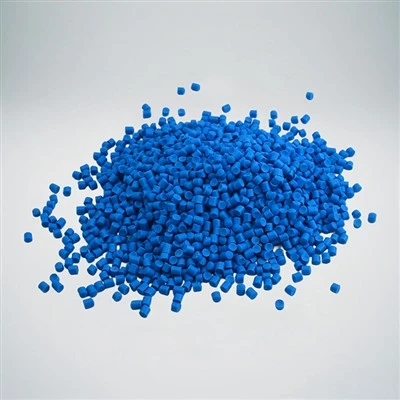
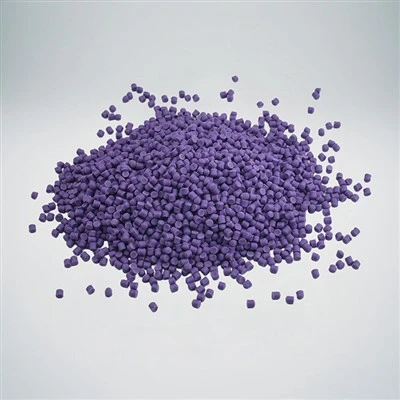
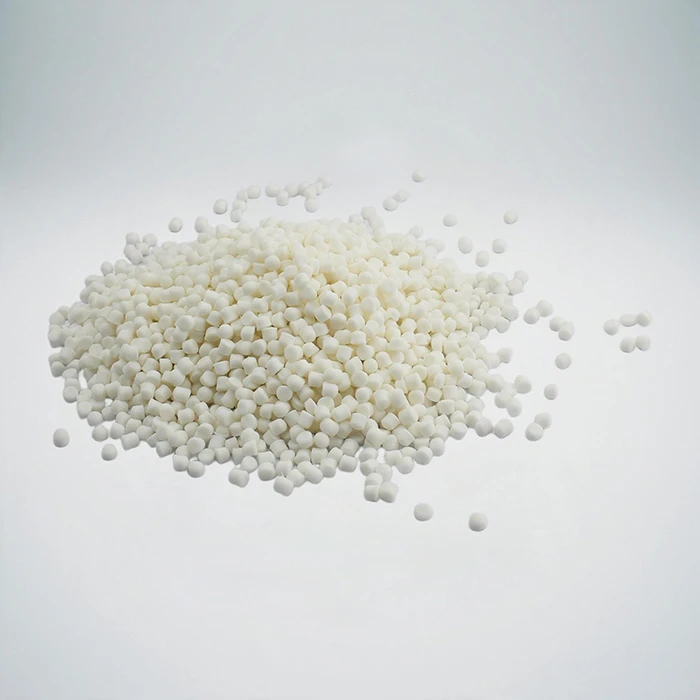
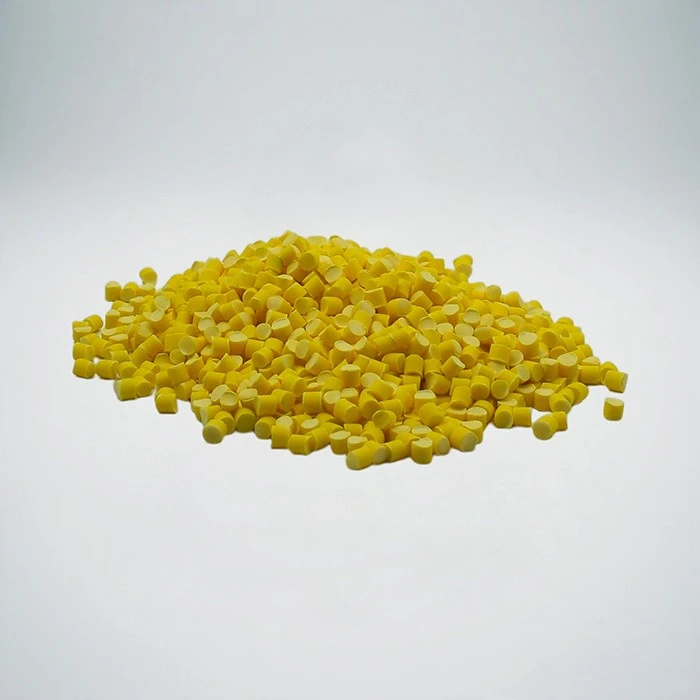
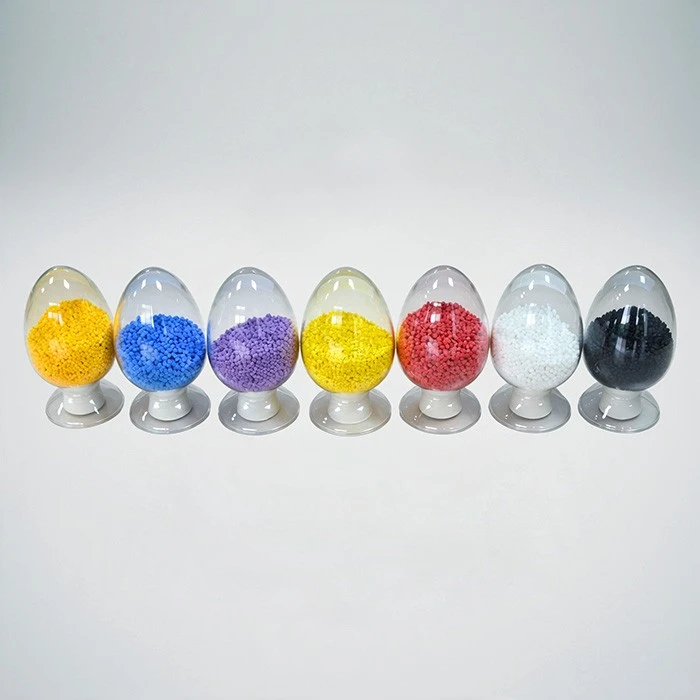
- Color Matching
- Technical Support
- Small Batch
- Fast Sampling
- Free Samples
FAQ
1. What is EPC9051?
EPC9051 is a 105°C Crosslinkable LSZH Cable Compound for halogen-free wire and cable insulation.
2. Is EPC9051 a 105°C HFFR cable compound?
Yes. EPC9051 is a low smoke zero halogen, flame-retardant cable insulation material rated for 105°C applications.
3. How is EPC9051 cross-linked?
After extrusion, the material is cross-linked by electron-beam irradiation to form a stable cross-linked structure.
4. Which standard and grade is EPC9051 designed for?
EPC9051 is designed for GB/T 32129-2015 WDZ-YJ-J105 cable applications.
5. Can EPC9051 be described as an XLPO cable compound?
Yes. EPC9051 is an irradiation crosslinkable XLPO compound developed for halogen-free cable insulation.
6. What irradiation dose is recommended?
The recommended irradiation dose is 10–12 MRad.
7. How does EPC9051 perform after heat aging?
After aging at 136°C for 168 hours, EPC9051 maintains a tensile strength of 15.4 MPa and an elongation at break of 213%.
8. How is EPC9051 different from silane XLPE?
The main difference is the cross-linking route: EPC9051 uses electron-beam irradiation, while silane XLPE is typically cross-linked through silane and moisture curing.
9. Can customized colors and formulations be supplied?
Yes. Color matching and formulation customization can be provided according to cable performance requirements.
10. Can free samples be provided?
Yes. Samples can be provided for extrusion, irradiation and cable performance evaluation.
Hot Tags: 105°c crosslinkable lszh cable compound, China 105°c crosslinkable lszh cable compound manufacturers, suppliers, factory, 150 C UL VW 1 Low Halogen XLPO Compound, crosslinked polyolefin VW 1 material, Electron Beam Crosslinkable LSZH Compound, high temperature FT 2 XLPO insulation, Irradiation Crosslinkable XLPO Compound, low smoke low halogen XLPO