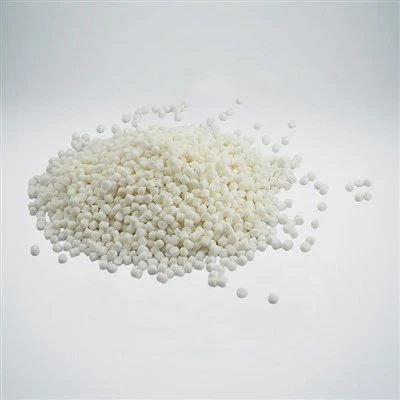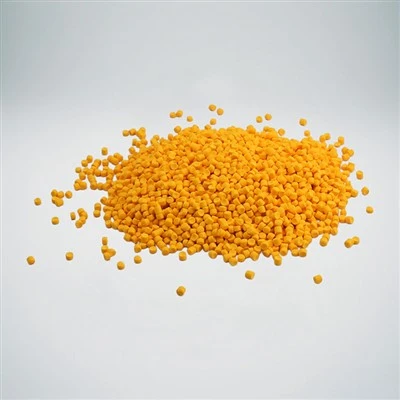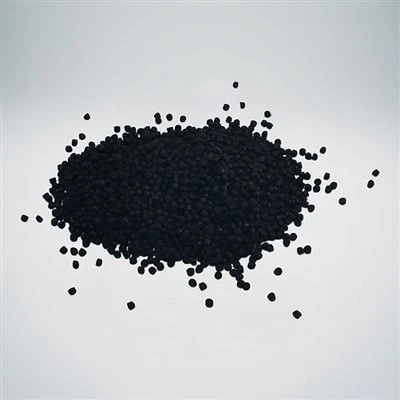

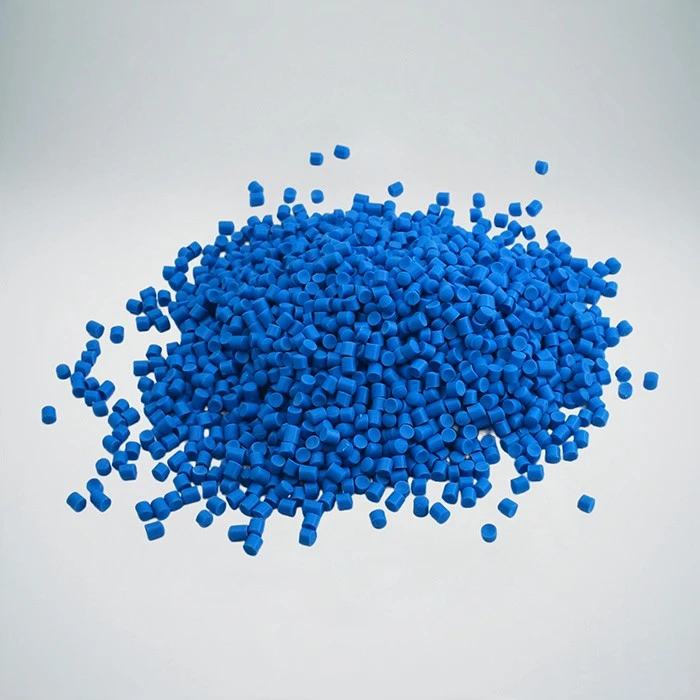
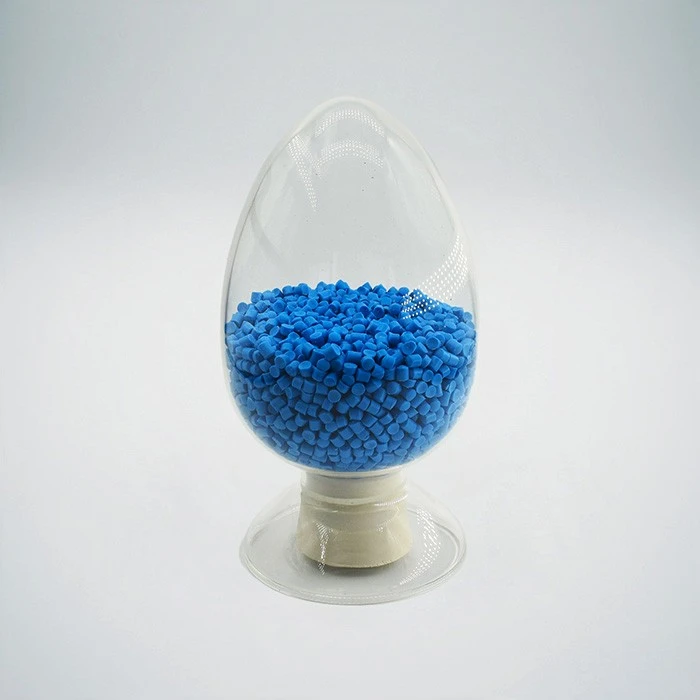
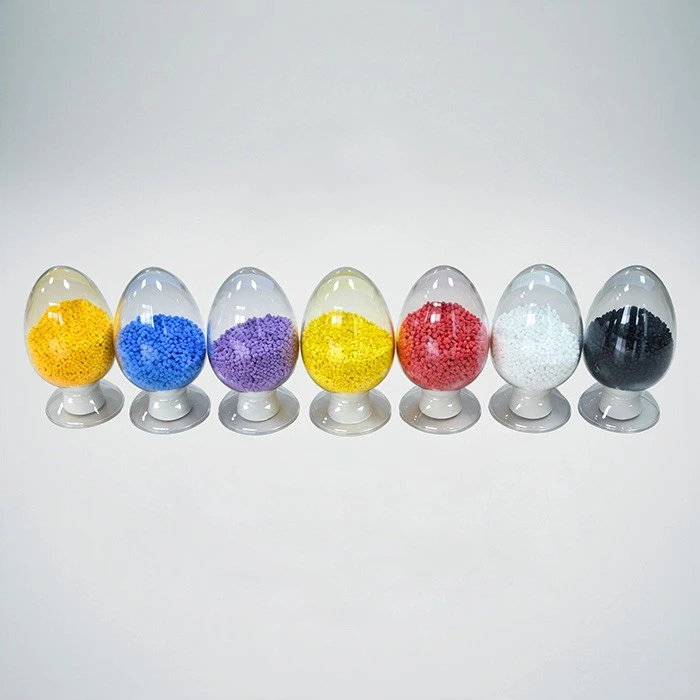
|
Temperature Rating |
Flame Target |
Halogen Positioning |
Crosslinking |
|
105°C |
VW-1 finished-wire target |
Zero halogen |
E-beam, 10-12 MRad |
105°C | VW-1 Target | Zero Halogen | E-Beam Crosslinking | Hook-Up & Equipment Wire
EPC9053 is developed for 105°C electronic and equipment wire constructions where vertical flame performance is a key design requirement. Its positioning centers on a zero-halogen XLPO route for finished wires targeting VW-1 performance.
The defining value of this 105°C UL VW-1 XLPO Wire Compound is the combination of a 105°C temperature class, zero-halogen formulation and VW-1-oriented flame design. After extrusion, the material is cross-linked by electron-beam irradiation; the recommended starting dose is 10-12 MRad.
EPC9053 Performance Focus
- 105°C UL wire material platform for electronic and equipment wiring.
- VW-1-oriented formulation for finished-wire vertical flame testing.
- Zero-halogen XLPO route with typical halogen content of 0 ppm.
- High typical oxygen index of 45% supporting the flame-retardant formulation.
- 11.3 MPa tensile strength and 215% elongation for balanced insulation performance.
- Heat-aging retention measured after 136°C × 168 h.
- Electrical insulation supported by typical volume resistivity of 2 × 10¹² Ω·m.
- Electron-beam crosslinking after extrusion; recommended dose 10-12 MRad.
Why EPC9053 for 105°C VW-1 Wire?
- VW-1 as the primary design target: EPC9053 is built around 105°C finished-wire vertical flame qualification rather than a generic UL compound claim.
- Zero-halogen route at 105°C: a distinct choice when VW-1 is required without moving to a low-halogen formulation.
- Electronic-wire fit: suitable for hook-up, appliance and internal equipment wiring where wall thickness and flame behavior must be balanced.
- Process-to-test support: extrusion quality, insulation thickness and irradiation conditions can be optimized together during VW-1 trials.
Typical Applications
- Electronic hook-up wire
- Internal appliance wiring
- Electrical and electronic equipment wire
- Control and connection wire inside equipment
- Other 105°C cross-linked UL wire constructions targeting VW-1 performance
Designed Around Finished-Wire VW-1 Performance
VW-1 is evaluated on the completed wire rather than on the raw compound alone. For EPC9053 projects, conductor size, insulation wall thickness, extrusion quality, irradiation dose and the final wire construction should therefore be evaluated as one system. This page keeps the focus on that 105°C VW-1 use case instead of repeating the broader UL XLPO family selection content.
Typical Technical Data
|
Property |
Typical Value |
Notes / Condition |
|
Temperature Rating |
105°C |
UL wire application positioning |
|
Tensile Strength |
11.3 MPa |
Typical |
|
Elongation at Break |
215% |
Typical |
|
Tensile Strength after Heat Aging |
12.2 MPa |
136°C × 168 h |
|
Elongation after Heat Aging |
190% |
136°C × 168 h |
|
Oxygen Index |
45% |
Typical |
|
Halogen Content |
0 ppm |
Zero-halogen formulation |
|
Density |
1.47 g/cm³ |
Typical |
|
Melt Index |
5.5 g/10 min |
Typical |
|
Volume Resistivity |
2 × 10¹² Ω·m |
Typical |
|
Recommended Irradiation Dose |
10–12 MRad |
Electron-beam crosslinking |
Recommended Production Route
1. Confirm the 105°C wire design, conductor size, insulation thickness and VW-1 target.
2. Extrude EPC9053 with stable wall thickness, surface quality and conductor centering.
3. Cross-link the extruded insulation by electron-beam irradiation; use 10-12 MRad as the recommended starting range.
4. Check mechanical properties and heat-aging retention after irradiation.
5. Test VW-1 on the finished wire and optimize wall thickness / irradiation conditions if required.
6. Freeze production parameters only after the complete wire construction has passed qualification.
Project Trial & Technical Support
For EPC9053 projects, technical support can focus on conductor size, insulation wall thickness, extrusion quality, irradiation dose and finished-wire flame testing. Samples can be supplied for extrusion and VW-1 qualification trials.
FAQ
1. What is the main positioning of EPC9053?
EPC9053 is a 105°C zero-halogen XLPO compound for UL-oriented electronic and equipment wire constructions targeting VW-1 finished-wire performance.
2. Why is VW-1 central to this page?
VW-1 is the key flame-performance route that differentiates EPC9053 from other temperature / flame combinations in the UL XLPO family.
3. Is EPC9053 zero halogen?
Yes. The supplied product data lists typical halogen content of 0 ppm.
4. What is the typical oxygen index?
The supplied data lists a typical oxygen index of 45%.
5. What are the typical mechanical properties?
Typical tensile strength is 11.3 MPa and elongation at break is 215%.
6. What heat-aging condition is listed?
The supplied data lists 136°C × 168 h heat aging, followed by typical tensile strength of 12.2 MPa and elongation of 190%.
7. Does EPC9053 itself certify a wire to VW-1?
No. VW-1 is determined on the finished wire. Conductor size, insulation thickness, processing and irradiation conditions all affect the final result.
8. What irradiation dose is recommended?
10-12 MRad is the recommended starting range for electron-beam crosslinking. Final settings should be validated on the actual wire construction.
9. Which applications are the best fit?
Electronic hook-up wire, internal appliance wiring, equipment wire and similar 105°C cross-linked wire constructions targeting VW-1.
10. What information should I send for a sample trial?
Please provide target wire style, conductor size, insulation thickness, 105°C requirement, VW-1 target, extrusion line information and irradiation conditions.
Hot Tags: 105°c ul vw-1 xlpo wire compound, China 105°c ul vw-1 xlpo wire compound manufacturers, suppliers, factory, 180 C aging tested XLPO compound, crosslinked polyolefin VW 1 material, low smoke low halogen XLPO, lszh cable compounds, UL 1581 150 C VW 1 wire material, VW 1 equipment wire insulation material