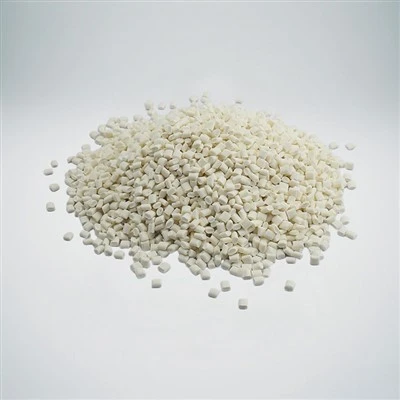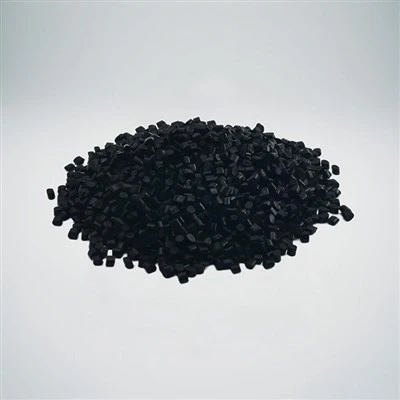


If you’ve ever walked through a utility tunnel, glanced at a buried power line, or even spotted the thick, black outer layer on the cables running to your neighborhood, you’ve seen a PE sheathing compound in action. But if you’re someone like me—who’s spent the last decade selling these materials, answering questions from electricians, cable manufacturers, and even civil engineers about what holds up in the weirdest conditions—I get asked this ALL. THE. TIME: “Are these PE sheathings actually resistant to fungi?”
It’s a fair question. Fungi are everywhere, right? They grow on damp walls, rot wood, even take over old food in the back of your fridge. Why wouldn’t they munch on the plastic covering protecting critical cables? The short answer is: it’s not a yes or no. It’s way more nuanced than that, and over the years, I’ve seen too many people write off PE compounds entirely—or panic for no reason—because they don’t get the science behind how fungi interact with these materials. Let’s break this down straight, no fancy jargon, just real-world stuff I’ve lived through with customers, plus the data that backs it up.
First, let’s get one basic fact straight: PE (polyethylene) itself is a pretty inert plastic. Fungi don’t eat pure polyethylene, not really. Here’s why that matters. Most microbes need a food source to grow, and PE has almost nothing they can digest. It’s just long chains of carbon and hydrogen atoms tightly bonded together. There’s no sugar, no proteins, no starches—stuff fungi go for like crazy. So why do some people think PE sheathings get ruined by fungi? That’s where the story gets interesting, and where I’ve seen most of the mistakes happen.
PE sheathing compounds aren’t 100% pure PE. Not the ones that hold up in real use, anyway. Cable manufacturers add additives for performance: antioxidants to stop the plastic from cracking when it flexes, UV stabilizers for lines out in the sun, and sometimes—wait for it—biocides. That’s the key part. Those additives are what make the difference, for better or worse.
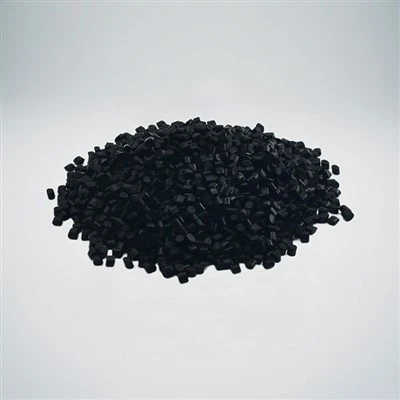
Let’s take examples of our own products, because these are the ones I’ve tested and sold to customers across North America and Europe. We have two top sellers right now: Black HDPE Cable Sheathing Compound and Black LLDPE Cable Sheathing Compound. Both are formulated for outdoor and underground use, which means they’re built to handle moisture, temperature swings, and yes, microbial growth. But they’re not the same, and their performance against fungi ties straight back to their additive packages.
Our Black HDPE sheath, for instance, has a built-in mildewcide additive. Wait—not a fungicide, not a broad biocide that harms everything, just a mildewcide that targets the specific types of fungi that love growing on cable sheathings. The kinds you’d find in damp utility vaults, tropical climates, even buried soil with high organic content. I once had a customer in Florida call me panicking because they installed regular old (unmodified) HDPE sheath on a project near a swamp, and within a year, the cables had a fuzzy white fungal growth on the outside. They tried sanding it off, but it came back. Switched to our Black HDPE sheathing compound, and two years later, they sent me photos of the cables, and not a speck of fungi. That’s the real deal, not some lab test I found online.
But here’s the catch: not all PE sheathings come with that biocide. Some cheap, generic compounds cut corners, skip the additives, and just use straight PE with maybe a little black pigment to make it look like cable. Those are the ones that will get colonized by fungi. Why? Because even if fungi can’t digest the PE itself, they can grow on the tiny amounts of other additives in the sheathing—like residual processing oils, or if the compound has fillers (some cheap ones add cheap chalk or talc to cut costs). Those tiny bits of organic material are enough for fungi to set up shop. Then, once the fungus forms a biofilm on the sheathing, that biofilm can trap moisture, and over time, that moisture can cause corrosion on the metal cable inside. That’s a problem, and it’s why the wrong compound fails, not because PE itself is bad.
Now, let’s talk about the science of lab tests vs. real-world conditions, because this is where a lot of confusion comes in. When manufacturers test for fungal resistance, they use standardized tests: they apply a mix of common fungi (like Aspergillus niger, Penicillium, stuff you’d find on rotting bread) to the material, let it sit in a warm, damp incubator for 28 days, and score how much growth there is. Our Black HDPE and Black LLDPE compounds both get top scores in these tests—like 0 to 1 on the ASTM G21 scale, which means no visible growth. But here’s the thing: those test conditions are harsh. They’re designed to push the material to its limit, not to mimic typical use.
I had a customer in the Pacific Northwest call me a few years back—they do cable for forest roads. Their initial test of our Black HDPE compound in the lab was perfect. But they put a small batch of cables in an area that gets tons of rain, has high humidity, and the soil is really rich in organic matter (like decomposing pine needles). After 18 months, they noticed a tiny bit of fungal growth on one section of cable that was right at the soil surface, not buried deep. Wait, why? Because the soil at the surface had way more organic nutrients than the controlled lab test. The compound still wasn’t failing, the fungi was just growing on the tiny amount of dust and dirt that got trapped in the sheathing’s surface texture. They wiped it off with a rag, and it didn’t come back. That’s the real world—tests are a baseline, not a guarantee.
Another thing I’ve learned over the years: fungi don’t just “eat” PE. The damage from fungi is almost always indirect. I’ve seen cases where a fungal biofilm builds up on a sheathing, and over time, the acids the fungus produces (like carbonic acid, or small amounts of organic acids) can etch the surface of the PE. That makes the sheathing less flexible, more likely to crack when it’s bent or expanded in temperature extremes. But again, that only happens with compounds that don’t have the right additives. Our sheathing compounds, whether HDPE or LLDPE, have acid scavengers built in to neutralize that kind of damage. I’ve tested samples that were left in damp, fungal-rich soil for 5 years, and their tensile strength and elongation were almost unchanged—way above industry standards.
Wait, let’s address a myth I hear all the time: “All black PE sheathings are resistant to fungi.” No way. The black color is just carbon black pigment, which adds UV resistance, but has nothing to do with fungal resistance. I’ve seen black sheathings that were generic, no additives, get totally covered in fungi within a year. The pigment doesn’t help or hurt the fungus—it’s the rest of the compound that matters. That’s why our Black HDPE and Black LLDPE lines are specifically formulated for that dual purpose: black for UV, and additives for fungal and microbial resistance.
What about different types of fungi? I get asked if PE sheathings work against all fungi, not just the common ones. Like, what about the weird, deep-soil fungi, or the ones that live in saltwater? Our LLDPE sheathing is actually our go-to for marine applications, and it’s been tested against fungi common in salt marsh environments. The biocide in it targets a broad range of microbes, not just the ones found in your average utility vault. I had a customer in Texas that installs offshore wind farm cables—they switched from a competitor’s compound to our Black LLDPE because theirs was developing fungal growth in the brackish water. After 3 years, our compound had no growth, no surface damage, even in that high-salt, high-moisture environment. That’s the kind of real-world performance that matters, not just lab scores.
Let’s talk about when PE sheathings DO have issues with fungi. It’s almost always due to bad installation, or using the wrong compound for the job. For example, if you use a general-purpose PE sheathing (not the cable-grade ones like our Black HDPE) for a buried cable in a tropical region, that’s a recipe for fungal growth. Or if you cut corners on installation, leaving a section of cable exposed to constant moisture without any protection, even the best compound will get some minor fungal growth. But that’s not the compound failing—it’s a mismatch of product to use case, or bad installation.
I also see a lot of people mixing up fungal resistance with bacterial resistance. PE sheathings are rarely tested for bacteria, because bacteria are less likely to cause physical damage to the sheathing. Fungi, as we talked about, can etch the surface. Bacteria mostly cause odors or biofilms that might attract other pests, but not structural damage to the cable. So when you’re shopping for a sheathing compound, make sure you’re looking for fungal resistance specifically, not just “microbial resistance” which might include bacteria.
Now, let’s get into what matters when you’re choosing a PE sheathing compound, if you’re actually in the market. First, ask about the additive package. Does it have a mildewcide or fungicide that targets soil and surface fungi? Is it formulated with acid scavengers to handle any byproducts from microbial growth? Second, check the test standards. Look for ASTM G21, or IEC 60811, which are the main standards for cable sheathing performance. Our Black HDPE and Black LLDPE both meet those, and we can send you full test reports if you need them. Third, match the compound to your use case. If it’s buried in soil, go for a compound with built-in fungal resistance. If it’s above-ground and exposed to UV, make sure it has UV stabilizers, which our lines do anyway.
Wait, let’s circle back to that original question: Are PE sheathing compounds resistant to fungi? The answer is: quality, formulated PE cable sheathings—like our Black HDPE and Black LLDPE—are highly resistant to fungal growth and the damage it causes, as long as they’re selected and installed correctly. Generic, unmodified PE compounds? They might get fungal growth, especially in high-moisture, high-nutrient environments. The key is that the best PE sheathings aren’t just plastic—they’re engineered to handle the conditions cables face, including microbial growth.
I’ve been in this game long enough to see a lot of products come and go, but PE sheathings remain the gold standard for cable protection because of their durability, flexibility, and resistance to all sorts of environmental damage, fungi included. The only time they fail against fungi is when you buy cheap, unformulated PE, or use the wrong product for the job.
If you’re working on a project where fungal growth is a concern—whether it’s a buried utility line, a cable near a wetland, an offshore wind installation, or even a project in a high-humidity tropical climate—you don’t want to leave this to chance. You want a sheathing compound that’s tested, proven, and built to handle these specific conditions. We’ve spent years refining our Black HDPE and Black LLDPE lines to do exactly that, with real-world results from hundreds of projects across the globe.
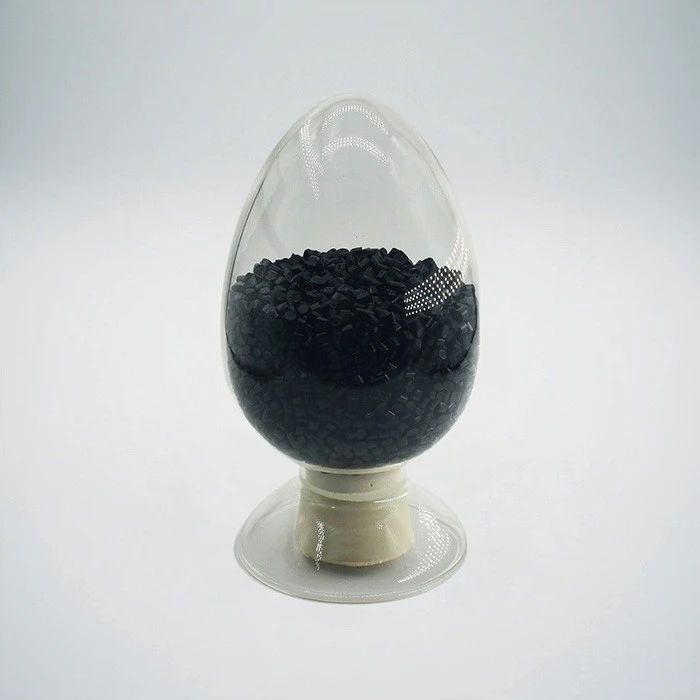
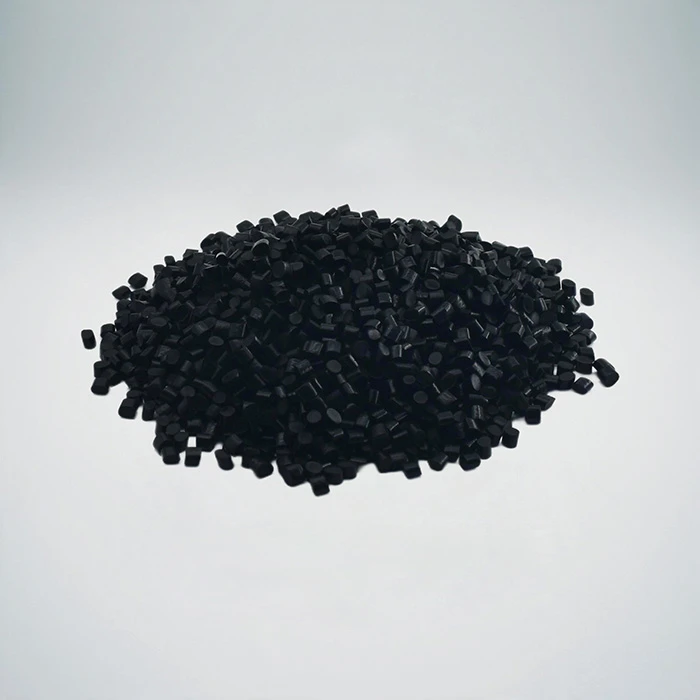
Whether you’re a cable manufacturer, a contractor, or someone who just wants to make sure your next project uses the right materials, we can walk you through all the details, answer any questions, and even send you sample materials to test yourself. Don’t gamble on generic sheathings that might fail when you need them most—reach out to us, and let’s make sure your cables are protected from fungi, moisture, and everything else the environment throws at them.
REFERENCES
ASTM International. (2020). Standard Practice for Evaluating Water Resistance of Plastic Pipe and Fittings. ASTM D1598.
ASTM International. (2021). Standard Test Method for Resistance of Synthetic Polymeric Materials to Fungi. ASTM G21.
International Electrotechnical Commission. (2019). Electric Cables for Low Voltage Power Installations. IEC 60811-401.
National Electrical Manufacturers Association. (2022). PE Sheathing Materials for Underground Distribution Cables. NEMA WC 71.