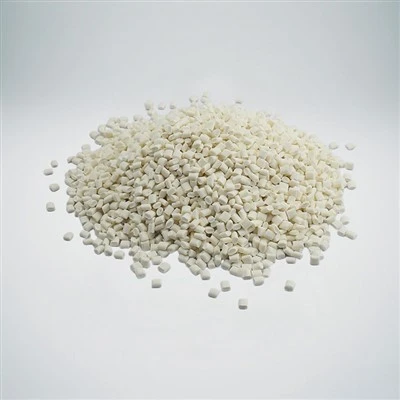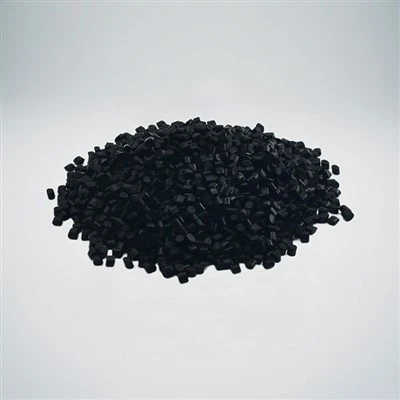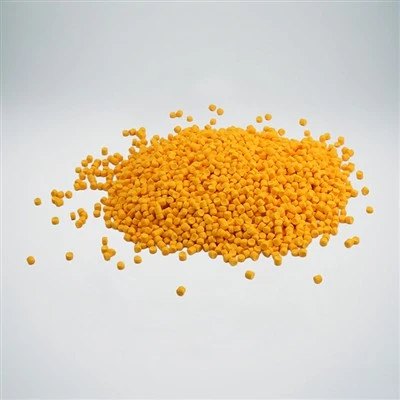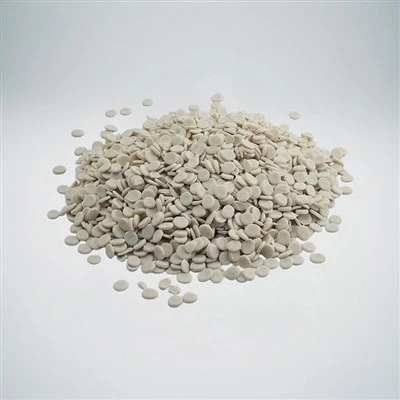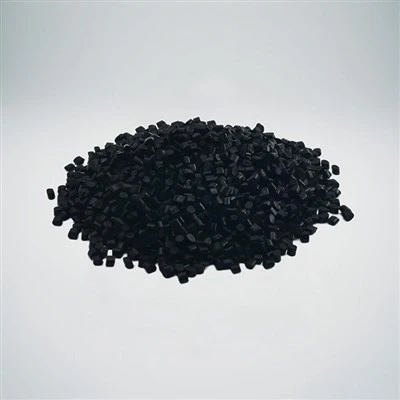


Hey there! If you’re anyone who’s ever spec’d cable compounds for construction, automotive, or even industrial wiring, you’ve probably heard of FRPP—short for Filled Polypropylene, right? And if you’re here, you’re probably asking, “Wait, what standards do thermoplastic FRPP cable compounds even need to hit?” Because let’s be real, slapping together a compound that sort of works isn’t enough. The stuff going into cables has to keep people safe, work as intended for years, and not turn into a fire hazard when it matters most. As a supplier of thermoplastic FRPP cable compounds, I talk about standards with customers every single day—so let me break this down like I would over a coffee, no stuffy jargon (unless it’s necessary, I’ll explain it).
First off, let’s get one thing straight: standards aren’t just random checklists. They’re built from decades of real-world failures, testing, and lessons learned. For thermoplastic FRPP cable compounds, the big three buckets we care about are fire safety, electrical performance, and mechanical durability. But each use case adds its own layers, which is why you’ll see different specs for a halogen-free automotive wire vs. a high-voltage utility cable.
Let’s start with fire safety, because that’s the non-negotiable one everyone in the industry obsesses over. No one wants a cable that releases toxic fumes when it burns. That’s why halogen-free standards are huge here. A lot of old cable compounds used chlorine, bromine, or other halogens, which make super toxic smoke when they catch fire—deadly in enclosed spaces like buildings or cars. So the main standard here for halogen-free FRPP is IEC 60754. That test measures how much halogen gas comes off when the material burns, and compounds have to fall below a tiny threshold (like less than 5% by mass, I think? Don’t quote me on the exact number, but it’s low). We also meet UL 94, which is the US standard for flammability—our halogen-free FRPP wire insulation compound hits V-0, meaning it self-extinguishes in under 10 seconds if a flame is applied. That’s the stuff you want in walls, right? If a wire shorts, the cable itself doesn’t turn into a fuel source. You can check out that specific halogen-free line here: Halogen-Free FRPP Wire Insulation Compound.
Next up, electrical performance. This is make-or-break for cables—if your compound doesn’t insulate well, you get power loss, interference, or even short circuits. For general low-voltage stuff (like automotive wires or consumer electronics), the standard here is usually IEC 60227 or UL 1581. These test for things like dielectric strength (how much voltage the material can handle before it breaks down), volume resistivity (how well it resists electrical current), and partial discharge (small electrical leaks that can damage cables over time). But when we’re talking high-voltage, like for power grids or heavy industrial equipment, the bar goes way higher. High-voltage FRPP cable compounds have to meet IEC 60840 or ASTM D3186. Those standards require much stricter testing for dielectric strength—we’re talking thousands of volts per millimeter—plus resistance to corona discharge, which is that tiny electrical spark that eats away at insulation over decades. Our high-voltage line is built specifically to pass those intense tests, so utilities can run cables for 30+ years without insulation failure. You can read more about that here: High-Voltage FRPP Cable Compound.
Then there’s mechanical durability, which is all about the stuff that makes cables last in the real world. Cables get bent, stretched, squished, exposed to sun, cold, chemicals, and oil. For automotive and electronic wiring, that’s a big one—think about the wires under your dashboard, getting jostled all the time, or the wires in a factory robot that’s moving nonstop. The standards here are IEC 60332 for abrasion resistance (how well the insulation holds up to being scraped), UL 1581 for cold bend (does the insulation crack when it’s freezing outside?), and ISO 6722 for automotive-specific performance, which tests resistance to oil, gasoline, and temperature swings (-40°C to 125°C is common for under-hood wires). Our automotive and electronic wire FRPP compound is tailored exactly for these conditions—we tweak the filler ratio and polymer blend so it’s flexible enough to bend a thousand times, tough enough to resist oil leaks from an engine, and doesn’t get brittle in winter. Check that out here: Automotive and Electronic Wire FRPP Compound.
Wait, but hold on—standards don’t exist in a vacuum. A lot of customers mix and match these, depending on their application. For example, if you’re making a cable for an electric car, you need it to be halogen-free (for passenger safety), have high electrical performance (for the battery system), and be super durable (under-hood and door wiring). So we have to make sure our compound checks all those boxes at once, not just one standard. That’s why we don’t do a “one-size-fits-all” FRPP—we tailor the formulation to meet specific combinations of standards for each customer’s needs.
Another thing people don’t always talk about is environmental standards, which are getting way more important lately. A lot of regions (like the EU with RoHS and REACH) restrict certain heavy metals or additives in cable compounds because they’re bad for the planet. Our thermoplastic FRPP compounds meet RoHS 2 and REACH SVHC requirements, so they can be used in products sold in Europe, North America, and most other major markets. No lead, no cadmium, no harmful phthalates—just a compound that’s safe for humans and the environment, while still hitting all the performance standards.
Let me also touch on what happens if a compound doesn’t meet these standards. It’s not just a “failed test”—it can lead to really bad outcomes. A construction cable that doesn’t pass UL 94 could spread a fire through a building. A high-voltage cable that doesn’t meet IEC 60840 could fail mid-storm, leaving thousands without power. An automotive wire that cracks in cold weather could short circuit and cause a fire in a car. That’s why we take standards so seriously at our end—every batch of our FRPP compounds is tested in-house before it leaves our warehouse, and we can provide third-party test reports (from labs like UL or Intertek) for every order. No cutting corners, no skipping tests to save a buck.
I should also mention that standards evolve. Every few years, organizations like IEC and UL update their specs to account for new tech (like EV cables) or new safety data. For example, the recent push for higher voltage in EVs has made standards for cable insulation way stricter than they were 10 years ago. We stay on top of that—our R&D team is always testing new formulations to meet the latest updates, so our customers don’t have to play catch-up. We want our compounds to work for the next 5, 10, 20 years, not just meet the current rules.
If you’re still reading, you’re probably either spec-ing a new cable project or looking to switch suppliers because your current compound isn’t hitting the marks you need. Let’s be honest—most FRPP suppliers will say they meet standards, but not all of them actually do the testing, or tailor their compounds to fit your exact application. We don’t just sell a generic FRPP resin—we work with you to figure out which standards your cable needs to pass, adjust the formulation, and supply compound that’s consistent batch after batch. Whether you need halogen-free for medical wiring, high-voltage for power transmission, or flexible, oil-resistant for automotive, we’ve got you covered.
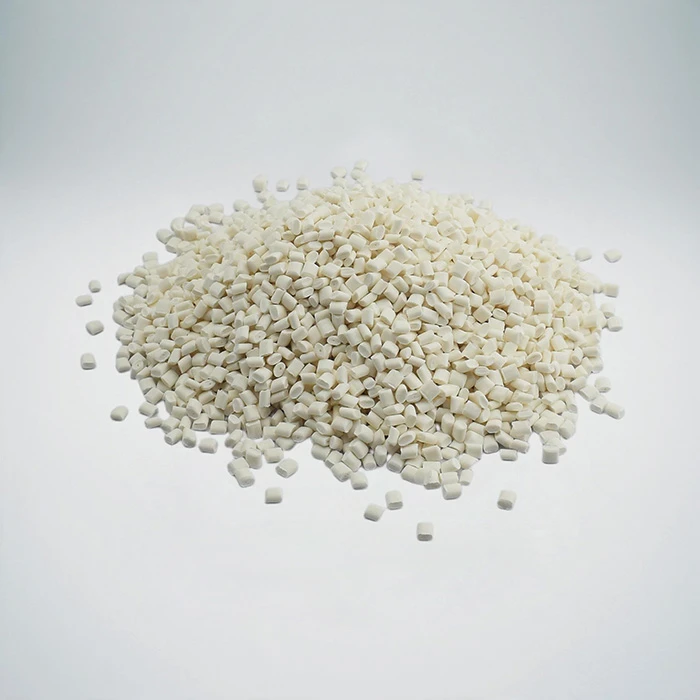
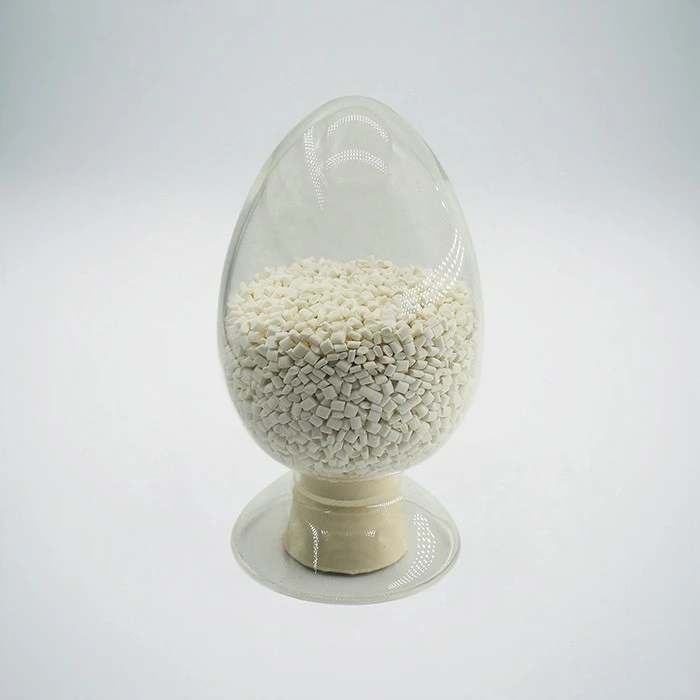
So if you’re tired of compound suppliers that promise the world but deliver products that fail standard testing, let’s chat. We can send you a free sample, share our third-party test reports, and help you make sure your cables are safe, reliable, and meet all the required standards. Just reach out to our team to start the conversation—we’re here to help you get the right thermoplastic FRPP cable compound for your project.
References
IEC 60754: Test on gases evolved during combustion of electric cables - Part 1: Method for measurement of halogen acid gas content
UL 94: Standard for Safety of Flammability of Plastic Materials for Parts in Devices and Appliances
IEC 60840: Power cables with extruded insulation and their accessories for rated voltages above 30 kV (Um = 36 kV) up to 150 kV (Um = 170 kV) - Test methods and requirements
ISO 6722: Road vehicles - Low-voltage cables