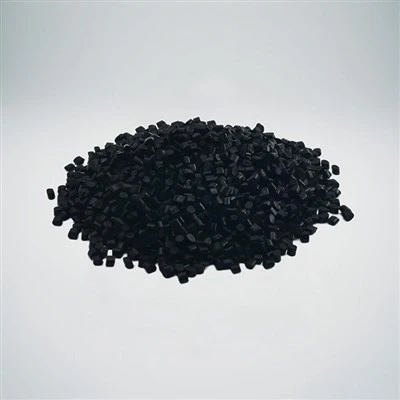


Hey everyone, if you’ve ever worked in plastic manufacturing, packaging, or even cable production, you’ve definitely heard of masterbatches—those little additive blends that turn basic plastic into something functional, durable, or specific to a use case. But today I wanna break down a question I get all the time from new clients: what’s the actual difference between anti-rodent masterbatches and regular masterbatches? As someone who’s been supplying anti-rodent masterbatches for years, I’ve seen people mix these two up all the time, and it’s not just a technical mistake—it can lead to big problems down the line (like plastic getting chewed up, wires failing, or even product recalls). Let’s dive in, no boring jargon promise.
First, let’s start with the basics: what is a masterbatch at its core? Regular masterbatches are basically concentrated additives mixed into a carrier resin (usually polyethylene, polypropylene, or something similar) that you add to raw plastic pellets during manufacturing to give the final product a specific trait. Think color masterbatches (turning clear plastic blue for bottled water), UV-stabilized masterbatches for outdoor decking so it doesn’t fade, or even antistatic masterbatches for electronic parts so they don’t collect static. The goal here is to tweak the base plastic’s properties to fit a need, but none of these are focused on keeping pests away.
Anti-rodent masterbatches? They’re a totally different ballgame. Their whole primary function isn’t just to modify plastic—it’s to deter rodents (mice, rats, squirrels, even some larger pests) from chewing through the plastic or cable coating. Let me explain why that matters so much. Rodents’ teeth grow nonstop, right? They have to chew nonstop just to keep them from overgrowing, and plastic is a super easy target for them. If you use regular masterbatch on a cable, for example, in an attic or underground, a rat can chew through that plastic insulation in a matter of hours, leading to power outages, electrical fires, or even costly repairs. That’s where anti-rodent masterbatches come in—they add a pest-deterrent agent that makes the plastic taste and smell bad enough that rodents just leave it alone.
Now, let’s get into the technical differences, because it’s not just “one has chemicals and the other doesn’t.” Regular masterbatches use additives that are compatible with the base resin, focus on stability during manufacturing, and don’t interact negatively with the plastic’s structural properties. For example, a color masterbatch’s pigment has to disperse evenly, not clog extrusion equipment, and stick well to the plastic so it doesn’t rub off. UV masterbatches need to last for years without breaking down, so they use stabilizers that bond tightly to the resin chains. Anti-rodent masterbatches, on the other hand, have to balance three key things that regular masterbatches don’t worry about as much: first, the pest-deterrent additive has to be strong enough to stop rodents, but not so strong that it ruins the plastic’s flexibility, durability, or ability to be processed on standard equipment. Second, the deterrent has to be long-lasting—regular masterbatch additives might work for a few years, but anti-rodent ones need to stay effective for the entire product’s lifespan (like 20+ years for underground cables). Third, they have to be safe. Regular masterbatches are often food-safe or low-toxic, but anti-rodent ones use agents that are non-harmful to humans, pets, or the environment—no bad stuff that’ll leach into soil or water.
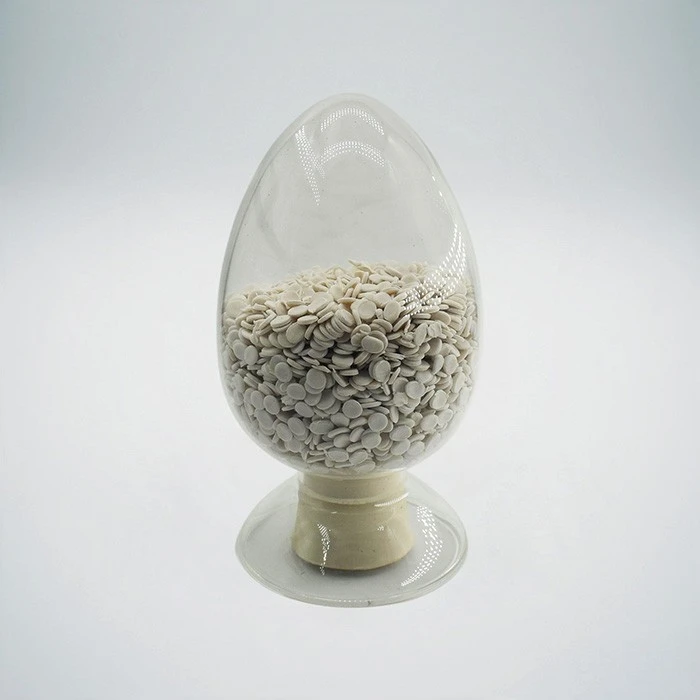
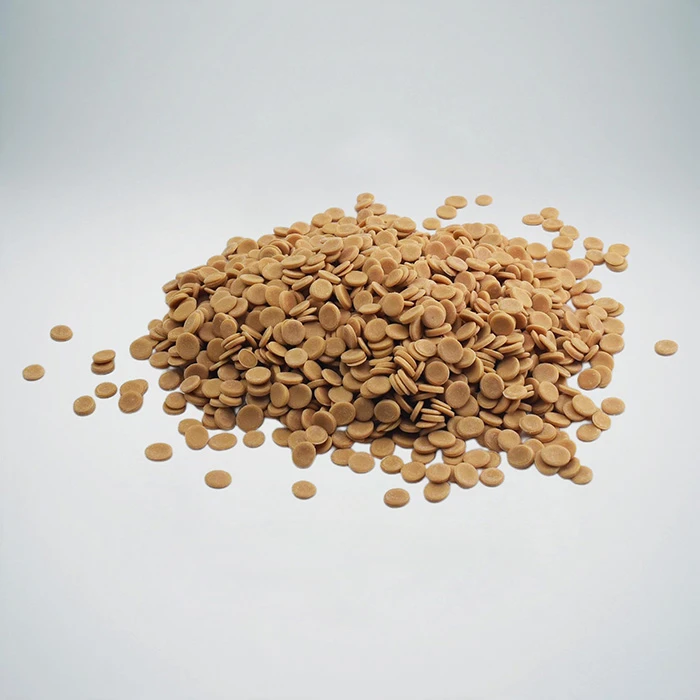
Wait, let’s give some real examples to make this concrete. If you make garden edging out of plastic, a regular UV masterbatch would keep it from fading in the sun. But if that edging is along a fence line where mice are known to chew through things, a regular masterbatch won’t stop them. You’d need anti-rodent masterbatch for that. Or take cable—most underground or exterior cables now use some kind of protective coating, and regular cable masterbatch is for strength or flame retardancy, but anti-rodent cable masterbatch adds that extra layer that keeps squirrels from chewing through the line running to your backyard shed. Speaking of which, I’ve got two of our top products linked here if you’re in the market: our High Flame-Retardant Anti-Rodent Masterbatch for industries that need both fire safety and pest protection, and our Anti-Rodent Cable Masterbatch, which is specifically formulated for wire and cable applications where rodent damage is a huge risk.
Another big difference: regulatory and performance testing. Regular masterbatches have standards too, but the testing is focused on things like color consistency, dispersion, or UV resistance over time. Anti-rodent masterbatches have to go through rodent deterrency tests—like ASTM E1508, which measures how much rodents will chew through a treated vs. untreated material. I’ve had clients come to me saying they used a regular masterbatch they thought would work, only to find rodents ate through their product in 6 months because that test isn’t part of regular masterbatch certification. Also, anti-rodent masterbatches have to meet different environmental standards, since their active agents are designed to repel pests, not just modify plastic. Regular masterbatches might have more leeway here, as long as they’re compatible with the resin.
Wait, let’s talk about cost too, because that’s a practical point a lot of people ask about. Regular masterbatches are pretty straightforward in pricing—based on the type of additive and volume. Anti-rodent masterbatches? They’re usually a bit more expensive, because of the specialized pest-deterrent agents and the extra testing that goes into them. But here’s the thing: if you use regular masterbatch when you need anti-rodent, the cost of fixing the problem later (replacing chewed cables, fixing power outages, losing product because it’s damaged) is way higher than the small premium for the right masterbatch. I had a client last year in the construction industry who used a regular cable masterbatch for a new housing development—within a year, rodents had chewed through 40+ underground cables, costing them over $200k in repairs and delayed move-ins. They switched to our anti-rodent cable masterbatch after that, and haven’t had a single issue since. That’s the kind of mistake you don’t want to make.
Another common misconception: people think anti-rodent masterbatches are just regular masterbatches with a little extra rodent repellent thrown in, but that’s not true. The carrier resin and the formulation are specifically adjusted to hold that repellent evenly, without causing it to leach out too quickly. If you just added a repellent to a regular masterbatch, it might work at first, but after a few months, the repellent would wash out or wear off, and rodents would go right back to chewing. Anti-rodent masterbatches are formulated so the active agent is slowly released over time—so the plastic smells and tastes bad for the entire lifespan of the product. That’s a key technical difference. Regular masterbatches don’t need that slow-release mechanism, because their function is immediate (like color) or long-lasting but not dependent on releasing something over time.
Let’s also touch on use cases, because that’s where the rubber meets the road. When would you use regular vs. anti-rodent masterbatch? If you’re making a plastic toy, a water bottle, a plastic bin for indoor storage—regular masterbatch (color, UV, etc.) is all you need. If you’re making outdoor garden edging, underground cables, agricultural film, packaging for rodent-prone areas, or even plastic parts for RVs or trucks that sit outside where squirrels or mice chew—you need anti-rodent masterbatch. And for specific combinations, like if you need a masterbatch that does both flame retardancy and anti-rodent (like for electrical enclosures), we have that High Flame-Retardant Anti-Rodent Masterbatch you can check out.
I’ve been in this business for 8 years now, and the number one mistake I see is manufacturers underbuying or misbuying masterbatch because they don’t understand these differences. It’s not just a technical detail—it’s a business decision that affects product quality, customer satisfaction, and even safety. For example, a chewed electrical cable isn’t just an inconvenience—it’s a fire hazard, which can lead to legal issues or insurance claims. That’s why taking the time to get the right masterbatch is so important.
So to wrap up the key differences, let’s make it simple:
- Core Function: Regular masterbatch modifies plastic’s basic properties (color, UV resistance, etc.); anti-rodent masterbatch’s primary goal is deterring pests, with other properties as secondary.
- Active Ingredients: Regular uses standard, widely available additives; anti-rodent uses specialized pest-deterrent agents formulated for long-lasting, non-lethal repellency.
- Testing & Certification: Regular is tested for color consistency, dispersion, etc.; anti-rodent is tested specifically for rodent deterrency and long-term efficacy.
- End Use: Regular for indoor, low-risk products; anti-rodent for outdoor, pest-prone products like cables, agricultural materials, and structural plastics.
If you’re not sure which masterbatch you need, or you’re looking to switch to anti-rodent masterbatch for your products, I’m here to help. We work with manufacturers of all sizes, from small local businesses to large international corporations, to formulate the right masterbatch for their specific application. Whether you need cable-specific, flame-retardant, or custom anti-rodent masterbatch, we’ve got the expertise to make sure your product is effective, durable, and free of pest damage. Just reach out to us to discuss your project and get a tailored solution.
References
- ASTM E1508-19, Standard Test Method for Determining the Deterrence of Materials to Rodent Gnawing, ASTM International, West Conshohocken, PA, 2019.
- “Masterbatch Basics: A Guide to Functional Additive Blends”, Plastics Technology Magazine, 2022.
- “Rodent Damage to Infrastructure and Mitigation Strategies”, National Pest Management Association (NPMA), 2021.
- “Functional Masterbatches for Cable and Wire Applications”, International Cable Association (ICA), 2023.