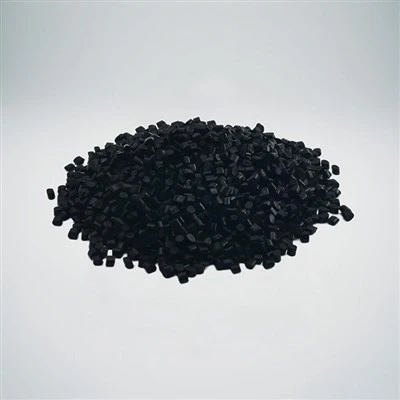


If you’ve ever pulled a frayed cable behind a fridge, found rodent-chewed wiring in your attic, or dealt with plastic pipe lines that started leaking after months of nibbling, you already know how much small rodents like mice, rats, and squirrels can damage everyday materials. For manufacturing teams, this damage isn’t just a minor headache—it causes downtime, safety hazards, and costly replacements across construction, automotive, telecommunications, and consumer goods sectors. The solution many industries are turning to? Anti-rodent masterbatches, a specialized additive that makes plastic and polymer products naturally resistant to rodent chewing without sacrificing performance.
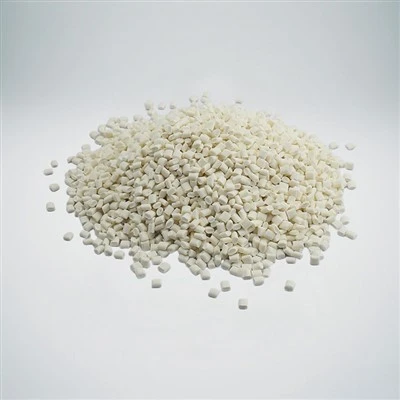
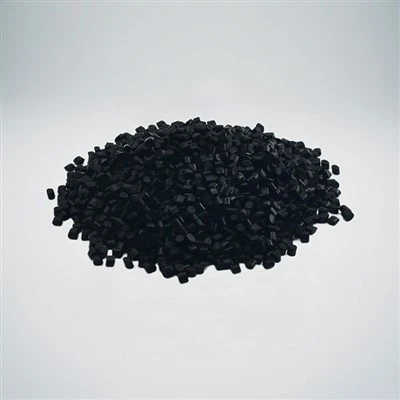
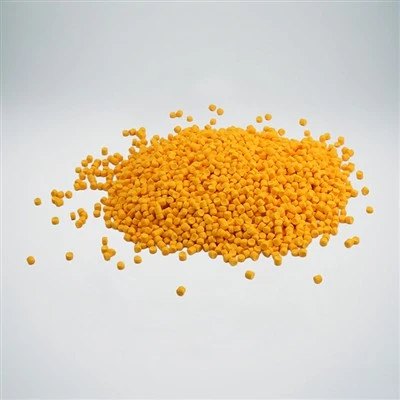
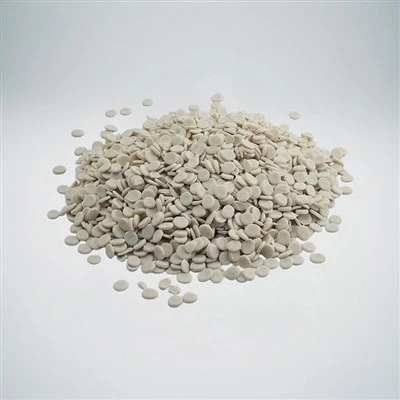
If you’re new to masterbatches, here’s a quick breakdown to ground you: masterbatches are concentrated mixes of pigments, additives, and carriers blended to disperse evenly into base polymers during manufacturing, instead of adding small amounts of additives directly (which leads to uneven results and higher waste). Anti-rodent masterbatches are tailored polymer additives designed to deter rodent chewing by releasing mild, animal-safe repellent agents that stick to the finished plastic surface. The key here is that they integrate into the material at the molecular level, so the rodent-resistant property is permanent, not a temporary coating that wears off after cleaning or exposure to elements like rain or UV light.
Unlike old solutions that relied on harsh, toxic chemicals that posed risks to human workers or the environment, modern anti-rodent masterbatches use active ingredients that mimic natural rodent deterrents—like certain plant extracts or mild organic compounds that rodents find unpleasant to chew, but are safe for humans, pets, and the planet. For polymer manufacturers, this means they can meet strict global safety standards while adding a critical line of defense against rodent damage to their products.
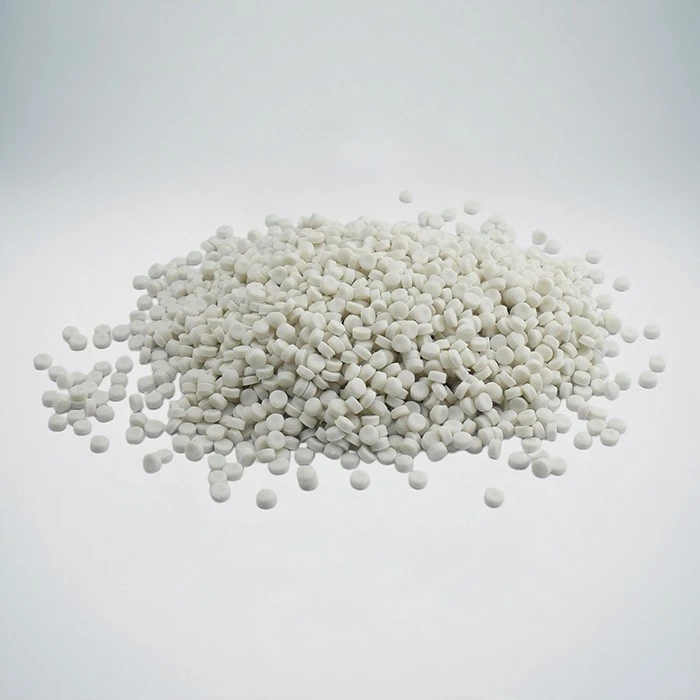
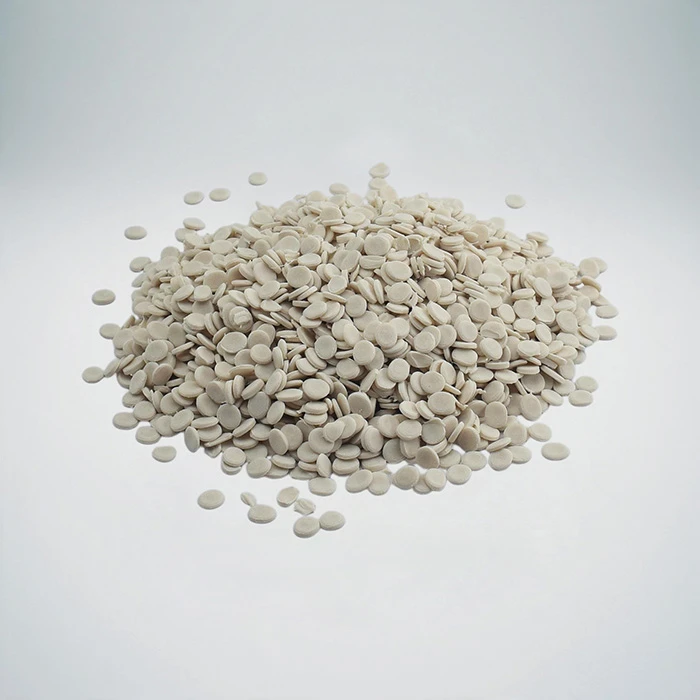
Let’s talk about how they work, because it’s not as complicated as it sounds. When you melt and mix the anti-rodent masterbatch with a base polymer (like polyethylene, PVC, or polypropylene), the active agents disperse evenly throughout the finished material. Once the plastic cools and forms a solid product, the deterrent agents slowly migrate to the surface. Whenever a rodent gnaws on the plastic, they immediately encounter that mild, unpleasant taste or odor, which discourages them from continuing. Since the agents are bound to the polymer matrix, they don’t wash away, even when exposed to moisture, oil, or temperature swings—so the rodent-resistant property lasts the entire lifespan of the product.
Not all anti-rodent masterbatches are the same, though. That’s why it’s important to match the right masterbatch to your specific application. For example, in the telecommunications and utility industries, cables are often run through basements, attics, or outdoor trenches where rodents have easy access. Standard plastic cable jackets aren’t enough—so many manufacturers turn to specialized anti-rodent cable masterbatch, designed specifically to enhance the jacketing material’s resistance to gnawing while maintaining the electrical insulation and flexibility cables need to perform. This type of masterbatch is calibrated to work with common cable polymers, so it doesn’t compromise the cable’s ability to carry power or data, even in extreme conditions.
Another example is the construction sector, where products like plastic pipes, window frames, and roofing materials need to resist both rodent damage and fire risks. That’s where a high flame-retardant anti-rodent masterbatch comes in—it combines the rodent-deterrent properties we talked about with flame-retardant additives that meet building code requirements for fire safety. This is perfect for applications where both risks are a concern, like exterior pipes or building components in areas with high rodent populations.
I’ve worked in functional masterbatch manufacturing for over a decade, and I’ve seen firsthand how anti-rodent masterbatches transform projects that used to fail prematurely due to rodent damage. Last year, I consulted with a large construction company that was experiencing a 15% failure rate on underground PVC pipe lines in rural areas, where rat populations were abundant. They’d tried adding loose repellents directly to the polymer, but those additives washed out after a few months, leading to constant leaks and repair calls. After switching to anti-rodent masterbatch integrated into their pipe production, their failure rate dropped to less than 1%—and they haven’t had to deal with recurring repairs since. That’s the kind of impact these products can have, especially when you choose the right formulation for your use case.
Another benefit of anti-rodent masterbatches is their compatibility with existing manufacturing processes. Most masterbatches are designed to be added to polymer extruders or injection molders at ratios of 2 to 5% by weight, which means manufacturers don’t have to retool their entire production line. They can simply add the masterbatch to their existing material mix, run their usual process, and get a finished product with built-in rodent resistance. That low barrier to adoption is a big reason why these masterbatches have become so popular across so many industries.
It’s also important to address a common misconception: some people worry that rodent deterrents will harm other wildlife or be unsafe for humans. The best modern anti-rodent masterbatches use EPA-approved, food-safe active ingredients (where applicable) that are non-toxic. In fact, many formulations are classified as safe for use in products that come into contact with food, because the amount of active agent that migrates to the surface is well below safety thresholds. That makes them suitable for applications like food-grade plastic packaging, or even children’s toys, where safety is non-negotiable.
For industries operating in high-rodent regions—think agricultural areas with lots of crop storage, urban areas with sewer systems, or outdoor telecom infrastructure—these masterbatches aren’t just a nice-to-have, they’re a critical investment. The cost of integrating a masterbatch into production is far lower than the cost of repairing or replacing damaged materials, or dealing with safety hazards like electrical fires from chewed cables. A 2023 industry report on infrastructure maintenance found that rodent damage costs North American businesses over $19 billion annually, with electrical and construction sectors accounting for the largest share of those costs. Anti-rodent masterbatches are one of the most effective ways to cut that number down.
Now, if you’re a polymer manufacturer, product designer, or procurement manager looking to add rodent resistance to your products, it’s important to partner with a supplier that understands both the science of masterbatches and the specific needs of your industry. Not all suppliers offer tailored formulations—some use one-size-fits-all masterbatches that don’t perform well in extreme temperatures, or don’t meet specific safety standards for your application. That’s why we’ve invested years in developing specialized formulations for key sectors, including the anti-rodent cable masterbatch designed for telecom and power cables, and the high flame-retardant anti-rodent masterbatch for construction and industrial applications.
Whether you’re working on a residential plumbing project, a commercial telecom infrastructure build, or a new line of consumer goods that need to stand up to warehouse rodent populations, anti-rodent masterbatches offer a reliable, long-lasting solution that solves a problem that has plagued manufacturers for decades. They balance performance, safety, and cost-effectiveness, making them a smart choice for any product that might face rodent exposure.
If you’re ready to learn how anti-rodent masterbatches can improve your products’ durability and reduce long-term costs, we’d be happy to discuss your specific needs and recommend the right formulation for your application. Get in touch with our team to start a conversation about your next project.
References
- American Chemistry Council. (2022). Masterbatch Additives for Polymer Durability and Safety. Retrieved from industry regulatory and technical resources
- National Pest Management Association. (2023). Annual Cost of Rodent Damage in U.S. Infrastructure and Industries.
- International Organization for Standardization (ISO). (2021). Standards for Safe Additives in Plastic Materials (ISO 10993, ISO 14000 series).
- European Chemical Agency (ECHA). (2022). Approved Substances for Rodent Deterrent Additives in Polymer Products.