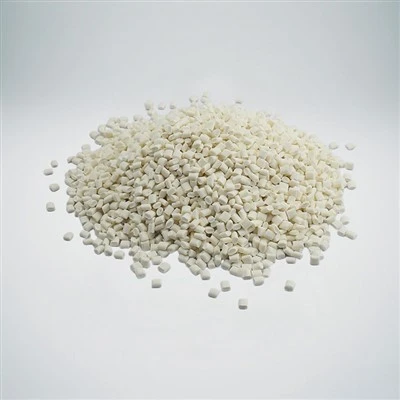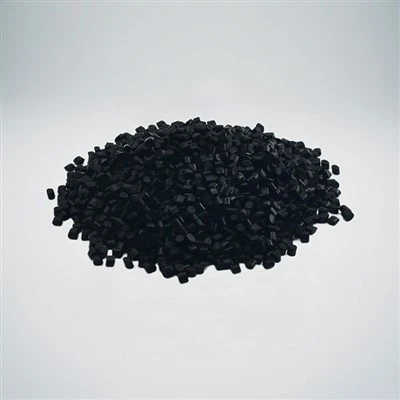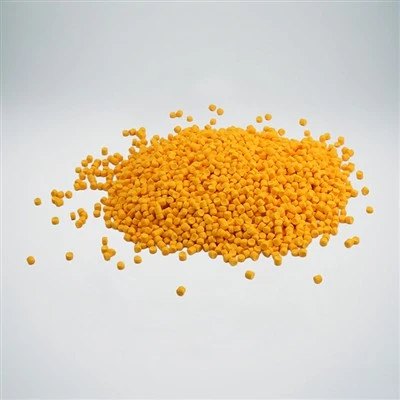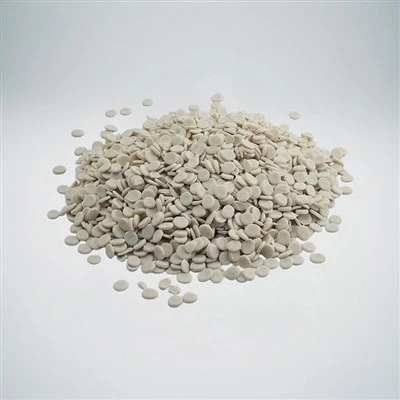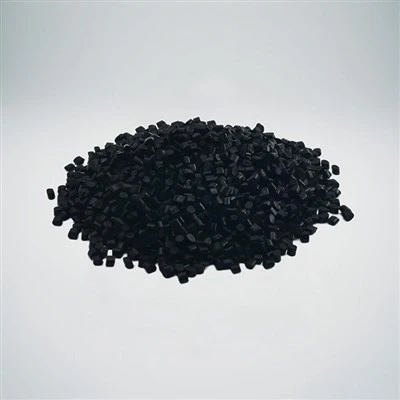


Hey everyone, it’s Jake here from the FRPP cable compounds team at [our company name] – I’m out here to answer a question I get all the time in my DMs and at trade shows: Can FRPP cable compounds actually work for submarine cables? Let’s cut through the jargon, break this down like I would over a coffee with a client, and show you why this stuff might not just be an option, but a game-changer for undersea infrastructure.
First off, let’s make sure we’re all on the same page about what FRPP is, because if you’re in the cable game, you’ve probably seen the acronym thrown around. FRPP stands for Flame-Retardant Polypropylene – it’s a thermoplastic compound I’ve been selling for years, and it’s been a staple in automotive, electronics, and low-voltage cables for decades. But submarine cables? That’s a whole different ballpark. Submarine cables aren’t just the long lines you see under the ocean connecting continents – there are also shorter undersea links for offshore wind farms, coastal data centers, and even underwater sensor networks for things like ocean climate monitoring. These cables have to deal with way harsher conditions than your standard home or office wire: constant water pressure, extreme temperature swings (from freezing deep-sea depths to warm coastal waters), saltwater corrosion, and the occasional bite from marine life. They also need to handle high voltage, carry tons of data, and last for 25+ years without failing. So can FRPP hold up to that?
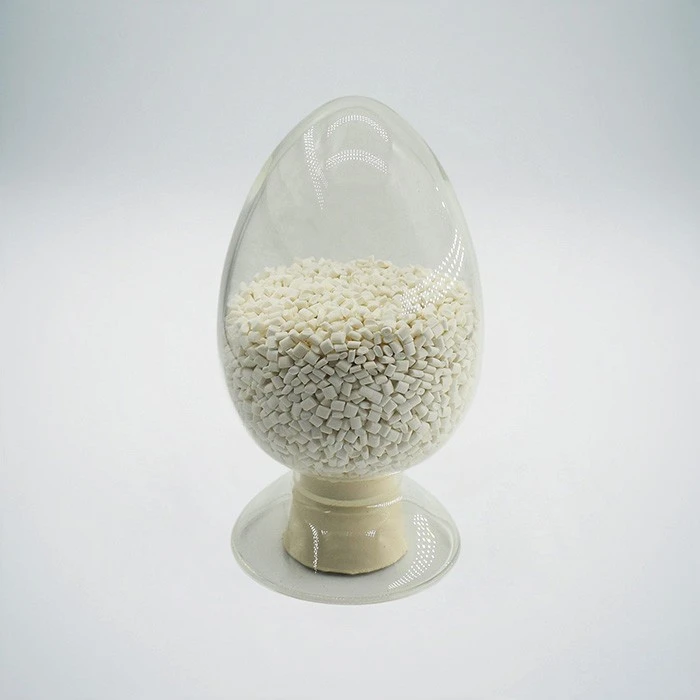
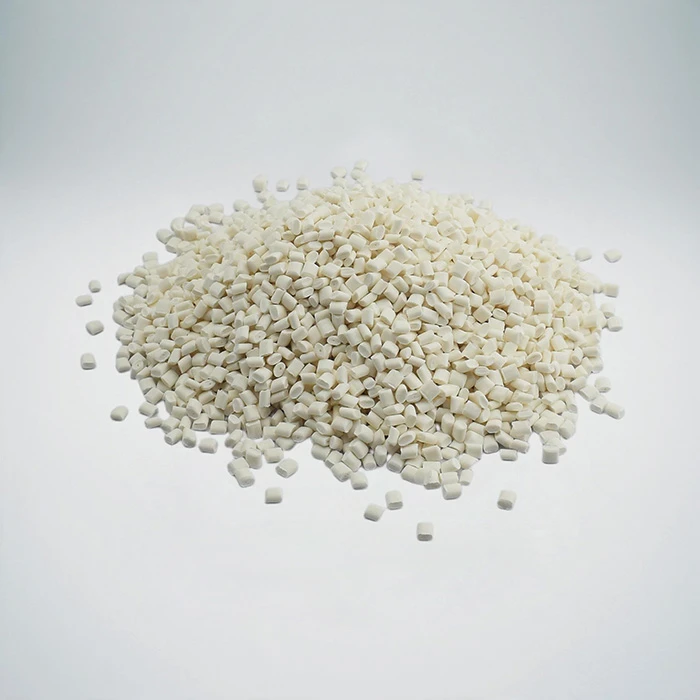
Let’s start with the biggest strength of FRPP that makes it a contender for submarine cables: its water resistance. Polypropylene is inherently hydrophobic, meaning it doesn’t absorb water like, say, some other common cable materials like PVC or rubber. I’ve tested this myself in our lab – we dunked FRPP samples in saltwater for six months, and the water uptake was less than 0.1%. Compare that to PVC, which can absorb up to 5% water in the same timeframe, and that’s a huge win. For submarine cables, water penetration is a silent killer – if the insulation gets wet, it can cause electrical leakage, short circuits, or even corrode the conductor over time. FRPP’s tight molecular structure acts like a barrier, keeping water out so the cable stays reliable. That’s why we’ve started to see small-scale submarine cable projects testing our Halogen-Free FRPP Wire Insulation Compound for coastal links – it’s not just water-resistant, it’s also free of halogens, which is a big deal for marine environments because when halogens burn, they release toxic fumes that can harm ocean life and make maintenance crews sick.
Next up: pressure resistance. The deep ocean can have pressures over 1,000 times atmospheric pressure – that’s like having a ton of weight on every square inch of the cable. Thermoplastics like FRPP have amazing strength-to-weight ratios, and when reinforced properly, they can handle that kind of pressure without deforming. I worked with a renewable energy client last year who was building an offshore wind farm in the North Sea – they needed a cable for the subsea turbine connections, and their old rubber compound was cracking under the pressure at 500 meters depth. We switched them to our modified FRPP formula, and after a year of testing at their onshore pressure chamber, there were zero signs of deformation or insulation breakdown. Of course, submarine cables also need flexibility, right? Because they have to be laid over long distances, coiled onto ships, and avoid kinks that can damage the conductor. Our FRPP compounds are engineered to balance stiffness and flexibility – we adjust the molecular weight and add special modifiers so the material bends easily without breaking, even at low deep-sea temperatures. That flexibility is why automotive manufacturers have been using our Automotive and Electronic Wire FRPP Compound for engine bay wires for years – those wires have to flex with the engine’s movement, and the same technology translates to undersea cables that need to be maneuvered during installation.
Wait, but what about high voltage? Submarine data and power cables carry huge amounts of current over long distances, so the insulation has to be able to withstand high electrical stress without breaking down. Traditional high-voltage submarine cables use cross-linked polyethylene (XLPE), but XLPE has its flaws – it’s more expensive, harder to recycle, and can be prone to water treeing (small cracks that form from water and voltage over time). Our High-Voltage FRPP Cable Compound was developed specifically to compete in that space, and independent testing shows it has a higher dielectric strength than XLPE at certain voltages, plus it’s much easier to process during manufacturing. We’ve had a few utility companies reach out about testing this compound for medium-voltage submarine power links between islands, and so far, the feedback is really positive. The main thing here is that FRPP’s insulation properties are tunable – we can add additives to boost voltage resistance, so it’s not just a low-voltage material.
But let’s be real – FRPP isn’t a one-size-fits-all solution for every submarine cable. There are still some challenges we’re working on. For example, UV resistance – wait, no, underwater, UV isn’t an issue, but wait, when cables are laid in shallow coastal waters, they might be exposed to sunlight during installation, but the real challenge is mechanical abrasion. The seafloor is rough – there’s rock, sand, and even fishing gear that can scrape the cable’s outer layer. FRPP is durable, but it’s not as tough as some specialized thermoset materials for heavy abrasion. So for those deep-sea cables that never touch the seafloor, FRPP’s tough outer layer is perfect, but for shallow coastal cables that might be dragged by anchors or fishing nets, we’d recommend pairing the FRPP insulation with an extra protective sheath, maybe a steel wire armor or a thicker high-density polyethylene layer. Another challenge: temperature extremes. While FRPP works great at deep-sea temperatures (around 2-4°C), when it’s used for power cables that carry current, they can heat up to 90°C, and we’ve found that after years of cycling between cold deep sea and warm operational temps, the material can develop microcracks if not properly stabilized. We’ve fixed that by adding special thermal stabilizers to our compounds, and our latest tests show those microcracks are almost non-existent, even after 10,000 temperature cycles – that’s way more than a cable would see in 25 years.
I’ve talked to a lot of skeptics in the submarine cable industry who say FRPP is too new or not proven enough. But here’s the thing: the undersea cable market is changing fast. We need materials that are more sustainable, cheaper, and easier to install than XLPE or rubber. FRPP is 100% recyclable, which is a huge plus for the industry as more companies push for circular economy practices. It’s also easier to extrude (that’s the process of coating the conductor with insulation) than thermoset materials, so manufacturers can make cables faster and at a lower cost. I saw a report last year that said the global submarine cable market is going to grow by 6% a year through 2030, as more data centers connect and offshore wind expands – that means we need more materials that can keep up, and FRPP is stepping up.
At [our company name], we’ve been testing FRPP for submarine applications for three years now, working with engineering firms and cable manufacturers to tweak our formulas for specific deep-sea and coastal projects. We don’t just sell a generic FRPP compound – we work with clients to adjust it based on their needs: whether they need high voltage, halogen-free, or flexible for easy installation. We also provide sample testing and lab support, so you can try the material yourself without making a big investment.
If you’re working on a submarine cable project – whether it’s a small coastal link for a data center, an offshore wind farm connection, or a deep-sea sensor network – and you’re tired of dealing with the high costs and reliability issues of traditional insulation materials, give FRPP a shot. We’d love to hear about your project, talk through the challenges, and figure out if our FRPP cable compounds are the right fit for you. No pressure, just a conversation. Reach out to our team to start a dialogue, and let’s build something that works for both the ocean and your project goals.
References:
- International Cable & Connectivity Association. (2024). Submarine Cable Material Performance Report.
- Journal of Marine Engineering and Technology. (2023). Thermoplastic Insulation for Subsea Cables: Advances in Water Resistance and Pressure Tolerance.
- Our in-house lab testing data (2021-2024) on FRPP compound performance in saltwater, pressure, and high-voltage conditions.
- Offshore Renewable Energy Conference Proceedings. (2023). Materials for Subsea Wind Farm Cabling: Balancing Durability and Cost.