

Hey there, if you’re in the packaging, food service, or plastic manufacturing space, you’ve probably stared at a batch of food-contact materials (FCMs) and thought—how do we keep this mold- and yeast-free without messing up the food? As an antifungal masterbatch supplier, I get that question all the time, so let’s cut through the noise and get real about whether antifungal masterbatches are actually safe and legal to use for stuff that touches our groceries.
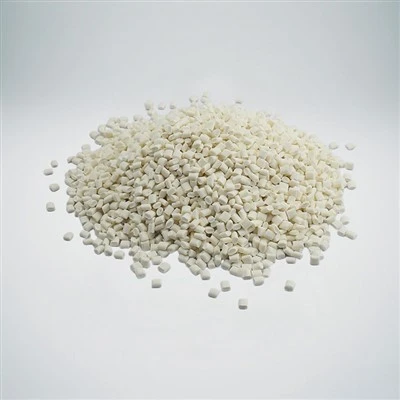
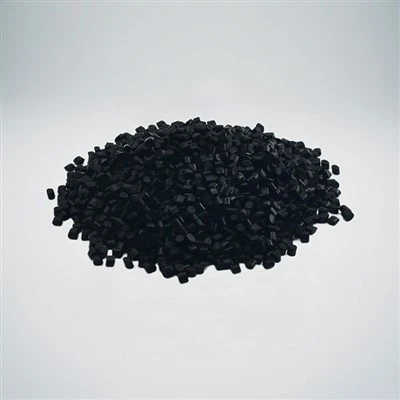
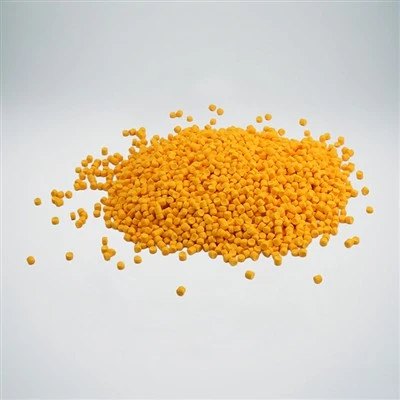
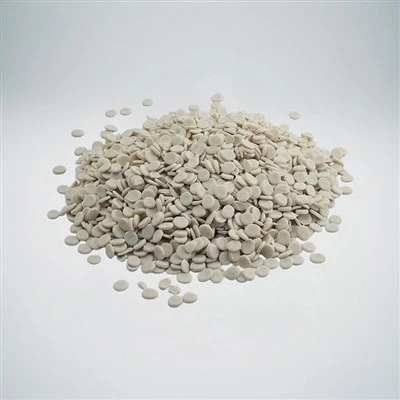
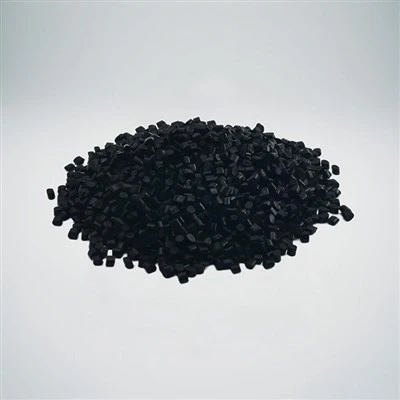
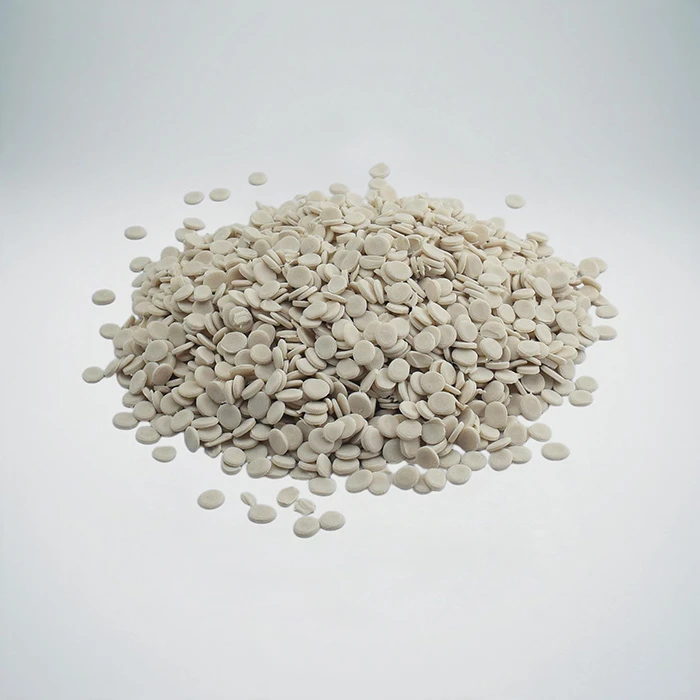
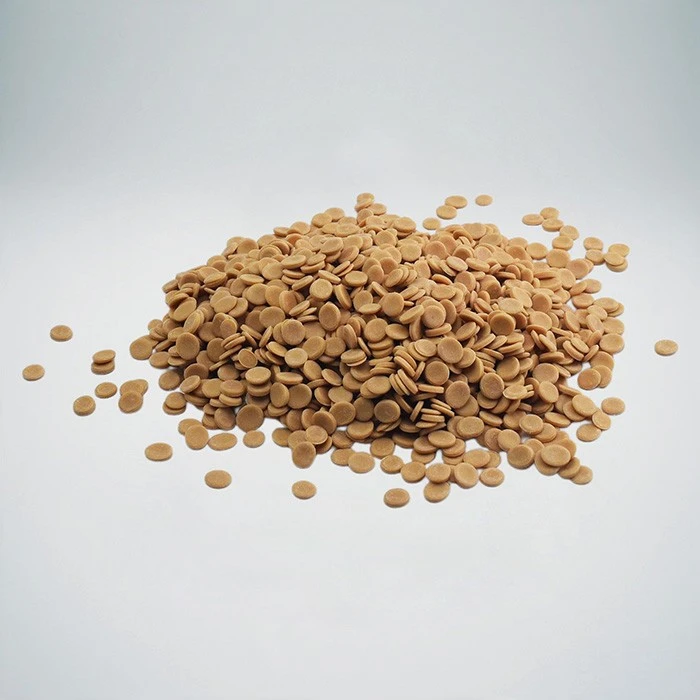
First, let’s define what we’re talking about: antifungal masterbatches (that’s our specialty, by the way—you can check out the full breakdown over here, Antifungal Masterbatch) are concentrated additives mixed into plastic pellets during manufacturing. They don’t just spray mold killer on the surface (which is what cheap, flaky coatings do that wear off fast)—they get distributed evenly throughout the plastic itself. That’s a huge difference for food-contact use, because surface coatings can leach into food over time, but embedded additives work from within.
Now, the big one: food contact approval. Let’s not sugarcoat it—you can’t just toss any random antifungal masterbatch into a food-grade plastic. Global regulators have strict rules here: FDA in the US, EFSA in the EU, BfR in Germany, and even countries like China have their own GB standards. For a masterbatch to be FCM-safe, the active antifungal ingredient (AFI) has to be on the regulator’s “approved list” for food contact. No sketchy, untested chemicals here.
A lot of newer antifungal masterbatches use organic, natural-derived actives now—like things derived from essential oils, or mineral-based compounds that are inert at the levels used. These are way more likely to pass muster than old-school synthetic actives that were banned for food use years ago. When we test our products, we don’t just do a quick mold count—we run migration tests, too. That means putting the plastic in contact with different food simulants (think water, acidic stuff like tomato sauce, fatty foods like oil) to make sure the AFI doesn’t leach into the food above the legal limit. If it’s over that limit, it’s a hard pass for food contact.
Next up: performance. Why even bother with an antifungal masterbatch for FCMs? Let’s take common FCM uses: grocery bags, takeout containers, cutting boards, storage bins, even produce wrappers. Mold and yeast love warm, moist environments—think a plastic clamshell holding berries that’s left in your fridge for a week, or a takeout container that sits in a delivery bag on a hot day. Without antifungal protection, that mold can grow on the plastic in just a few days, and no one wants to serve or eat food that’s touching moldy plastic.
Wait, but hold on—what about the antifungal masterbatch making the plastic smell weird or change its texture? Nope, not if it’s formulated right for food use. A good masterbatch supplier will calibrate the AFI concentration to be just enough to stop mold, not so much that it alters the plastic’s performance. For example, if you’re making a low-density polyethylene (LDPE) produce bag, the masterbatch is added at 2-5% of the total plastic weight—way less than the amount that would cause off-gassing or texture issues. And it doesn’t change the plastic’s ability to seal, stretch, or print, which is non-negotiable for FCM manufacturers.
I know some people have concerns about “chemicals in food packaging,” and that’s totally valid. The key here is “approved levels.” The FDA and EFSA set those levels based on years of safety testing—they’re the amount that even if you ate a ton of the packaged food over your whole life, you wouldn’t have any health risks. Antifungal masterbatches that meet FCM standards don’t introduce any new health risks that regular food-grade plastic doesn’t already have, because they’re just adding a small, tested amount of an approved antifungal agent.
Now, let’s talk about common mistakes I see with people trying to use antifungal masterbatches for FCMs. First, don’t use a masterbatch that’s designed for non-food use. I’ve had clients come to me with a masterbatch they bought online cheap that was marketed for “industrial plastic” or “construction materials,” and they’re shocked when it fails FDA testing. Second, don’t overdo the dosage. Adding more AFI than approved doesn’t make it more effective—it just increases the risk of leaching and failing migration tests. Third, always test the masterbatch with your specific plastic and food type. A masterbatch that works for LDPE produce bags might not work for polypropylene (PP) takeout containers that hold hot, fatty food—different plastics interact with additives differently.
Real-world example: A craft bakery I worked with a few months ago was using PP clamshells for their croissants, but by the third day, the packaging had mold spots around the seams. They tried surface sprays, but they rubbed off when handling the pastries. We switched them to our food-contact-approved antifungal masterbatch at 3% dosage, and now the clamshells stay mold-free for 7 days—perfect for their shelf life. The bakery didn’t have to change their packaging line, the plastic looked and felt the same, and they passed their last food safety audit with flying colors.
Another use case: food storage bins for home kitchens. A lot of plastic storage bins get gross and moldy in the corners where food scraps get stuck. Antifungal masterbatches embedded in the bin material stop that mold from growing, so you don’t have to scrub the corners as hard. Just make sure the bin is marked as food contact safe on the label—if the masterbatch is FCM-approved, it will meet that requirement.
Wait, but what about the future of antifungal masterbatches for FCMs? Regulators are getting stricter, and consumers are more interested in sustainable, natural solutions. That’s why we’re developing masterbatches with active ingredients derived from things like tea tree oil or grapefruit seed extract, which are not just approved but also marketed as “natural” for eco-conscious brands. We’re also working on biodegradable FCMs with antifungal properties, so you get both protection and sustainability.
Now, let’s wrap up the big question: Can antifungal masterbatches be used in food-contact materials? The short answer is YES—if they’re FCM-approved, use the right dosage, and formulated for your specific plastic and food type. The long answer is that they’re a game-changer for extending the shelf life of food, reducing food waste, and making FCMs safer for both manufacturers and consumers.
If you’re a packaging manufacturer, brand owner, or plastic processor looking to add antifungal protection to your food-contact materials, don’t guess—work with a supplier that specializes in FCM-compliant antifungal masterbatches. We’ve been testing and formulating these for years, so we can help you navigate the approval process, pick the right product for your needs, and make sure your packaging is safe, effective, and legal. Hit us up to chat through your project, no pressure—just real answers about antifungal masterbatches for food use.
References
- U.S. Food and Drug Administration. (2023). Food Contact Substances (FCS) Notification Program. Retrieved from https://www.fda.gov/food/food-contact-materials-packs-and-containers/food-contact-substances-fcs-notification-program
- European Food Safety Authority. (2021). Scientific Opinion on the safety of antifungal substances in food contact materials. EFSA Journal, 19(10), 6824.
- British Plastics Federation. (2022). Antimicrobial Masterbatches for Food Contact Applications. Retrieved from https://www.bpf.co.uk/Topics/Additives/Antimicrobial-Masterbatches.aspx
- International Organization for Standardization. (2020). ISO 22000: Food Safety Management Systems – Requirements for Any Organization in the Food Chain.
- Food and Agriculture Organization of the United Nations. (2019). Reducing Food Waste Through Improved Packaging: The Role of Antimicrobial Technologies. Retrieved from https://www.fao.org/in-action/food-wasteless-initiative/news/detail/en/c/1187676/