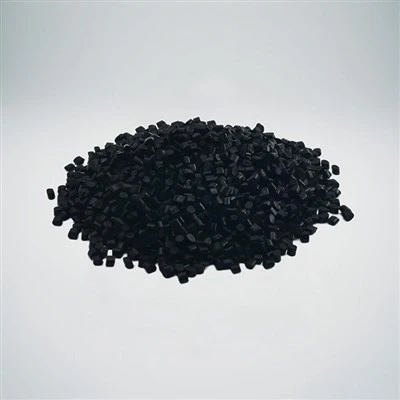


If you’ve ever picked up a park bench that’s faded unevenly, a playground slide that’s turned chalky white, or a garden hose that’s cracked after just a couple of summers, you’ve seen the results of poor outdoor material performance. As a color masterbatch supplier, I get asked this question at least once a week: “How do color masterbatches actually hold up when materials have to face constant sun, rain, wind, and temperature swings?” The short answer is: it depends on the masterbatch’s formulation, the polymer it’s paired with, and the additives woven into it to fight the elements. Let’s break down how these tiny, concentrated color packages perform in real-world outdoor conditions, and why choosing the right one isn’t just about getting the right shade—it’s about making sure your product lasts.
First, let’s ground this in what color masterbatches do, especially for outdoor use. A masterbatch is a blend of pigment, carrier resin, and additives processed into a solid pellet that you mix with virgin or recycled resin before molding or extrusion. For indoor products, the focus is usually on color accuracy and dispersion, but outdoor applications add layers of requirements: resistance to ultraviolet (UV) radiation, moisture, thermal degradation, and even chemical exposure from things like road salt or lawn fertilizers. The carrier resin is the backbone here, because it has to work with the base polymer of your final product—whether that’s polyolefins like polyethylene (PE) and polypropylene (PP), PVC, engineering plastics, or TPU—each of which has its own outdoor performance traits.
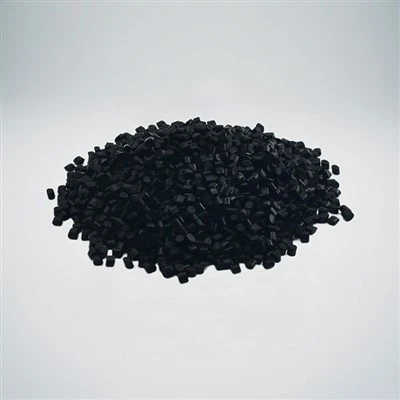
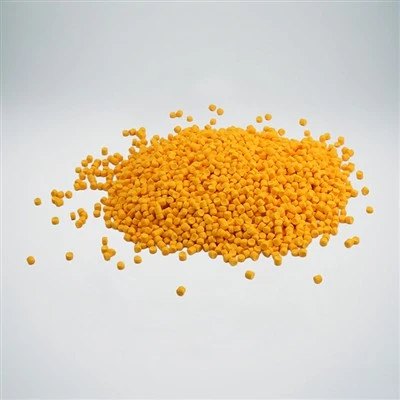
Let’s start with polyolefins, the most common polymers for outdoor products: think decking, fencing, outdoor furniture, and packaging crates. If you’re working with PE or PP, the masterbatch you’ll use is a polyolefin color masterbatch, and its performance in outdoor settings hinges on two key additives: UV stabilizers and hindered amine light stabilizers (HALS). I’ve seen too many projects where a client uses a cheap un-stabilized masterbatch to cut costs, only to have their product fade 50% in six months. Here’s why: UV rays from the sun break down the molecular chains in polyolefins over time, which causes discoloration, chalking, brittleness, and eventually cracking. The pigment plays a role too—lighter pigments like white and yellow are more prone to fading because they absorb more UV, while darker pigments like carbon black act as a natural UV absorber. But even carbon black needs a stabilizer partner; without it, I’ve seen black PP planters crack at the base after just two years in Florida’s sun, where temperatures regularly hit 100°F+ and humidity is relentless. That’s why our polyolefin masterbatches include both pigment matching and stabilizer packages tailored to specific regions—we’ll adjust for the intensity of UV in Arizona vs. the cooler, more humid conditions in the Pacific Northwest, because a masterbatch that works in Phoenix will fail in Seattle, and vice versa.
Next up is PVC, which is used for outdoor siding, window frames, signage, and pool liners. PVC is naturally more UV-resistant than some polyolefins, but it’s prone to yellowing when exposed to heat and sunlight, especially if it doesn’t have enough stabilizers. The right PVC color masterbatch will have light stabilizers, heat stabilizers, and sometimes lubricants to prevent degradation during processing and long-term use. I worked with a residential siding manufacturer last year who was using a generic PVC masterbatch and their product was failing warranty claims due to yellowing on the north-facing sides of homes—turns out the cheap masterbatch they were using had only 10% of the required light stabilizer for UV exposure. We switched them to our custom PVC masterbatch with a higher concentration of benzoate-based stabilizers, and their warranty claims dropped by 80% within a year. It’s not just about the shade here; for PVC, the stabilizer system is non-negotiable for outdoor performance.
Then there’s engineering plastics, like ABS, polycarbonate (PC), and nylon, which are used for things like outdoor automotive parts, electrical enclosures, and recreational equipment. Engineering plastics are stronger and more heat-resistant than polyolefins, but they can still degrade in outdoor conditions, especially when exposed to UV. Engineering Plastic Color Masterbatches for outdoor use need specialized additives that don’t interfere with the engineering plastic’s inherent properties—like impact resistance or dimensional stability. For example, a PC masterbatch for outdoor sunglasses frames needs to maintain clarity and impact resistance while blocking UV and not fading. We did a project a while back with an outdoor power equipment brand that was using nylon parts for their trimmer housings; their original masterbatch caused the nylon to become brittle after 18 months, leading to broken housings mid-season. We swapped in an engineering plastic masterbatch with a HALS package designed for nylon, and the parts have held up without a single break for over three years now. The key here is that engineering plastic masterbatches can’t use the same additives as polyolefin ones—they have to be formulated to work with the specific polymer’s chemistry, so you can’t just grab any masterbatch off the shelf.
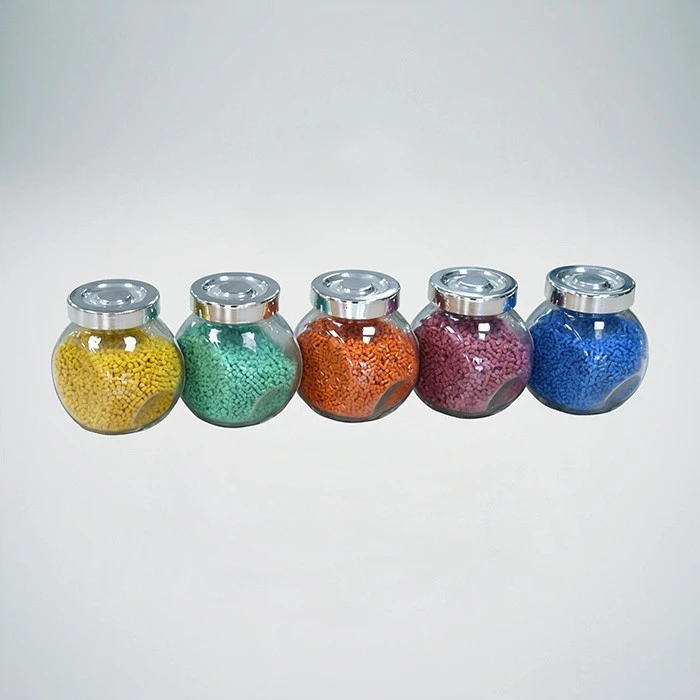
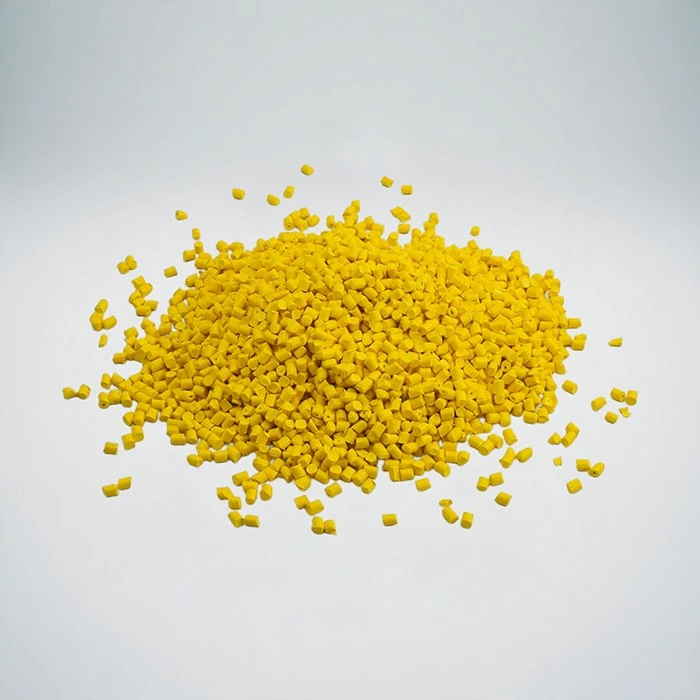
Finally, TPU, or thermoplastic polyurethane, which is used for things like outdoor hoses, shoe soles, inflatable boats, and weather seals. TPU is flexible and durable, but it’s also prone to discoloration and hardening over time when exposed to UV and moisture. TPU Color Masterbatches for outdoor use need light stabilizers that are compatible with TPU’s elastic properties, so they don’t make the TPU stiff or brittle. I had a client who made garden hoses using a generic TPU masterbatch; after one season, the hoses turned a murky gray and got stiff, making them hard to coil. We developed a custom TPU masterbatch with a UV stabilizer and antioxidant that’s compatible with TPU’s soft segment, and now the hoses stay flexible and their color remains true for up to five years, even in freezing winters and sweltering summers. The mistake that most new manufacturers make with TPU is assuming any masterbatch will work, but because TPU is a segmented polymer, the additives in the masterbatch can disrupt its flexibility if they’re not matched correctly.
Now, let’s talk about the other factors that affect outdoor performance, beyond just the masterbatch itself. First is pigment selection. Some pigments are inherently more lightfast than others; inorganic pigments like titanium dioxide (white), iron oxides (red, yellow, brown), and carbon black have much better lightfastness than organic pigments, which are brighter but fade faster. If you need a bright blue or green for an outdoor sign, you can use organic pigments, but you’ll need to pair them with extra UV stabilizers to protect them. I always advise clients to balance color requirements with performance—if a 10-year warranty is non-negotiable for your product, you’ll want to lean into more lightfast pigments and higher stabilizer loads, even if that means a slightly higher upfront cost.
Processing is another big one. If you don’t disperse the masterbatch correctly, you’ll get uneven color, and more importantly, weak spots in the material where UV can penetrate. For example, if you’re injection molding a fence post, under-dispersed masterbatch can leave small gaps in the polymer that let water and sun get in, leading to premature cracking. We always provide processing guidelines with every outdoor masterbatch we sell—like melt temperature, screw speed, and mixing ratio—to make sure our clients get the best possible dispersion and performance.
Testing is the final piece of the puzzle. I can’t tell you how many times I’ve seen manufacturers skip outdoor testing and go straight to full production, only to have their product fail in the field. The gold standard for outdoor performance testing is accelerated weathering testing, like Xenon Arc testing, which simulates years of sun and moisture in a matter of weeks. We recommend that all clients doing outdoor applications test their masterbatch-resin blend in an accelerated weathering chamber for at least 1,000 hours, and ideally 2,000 hours, before full production. That will tell you how much color fade you can expect, how much the material’s tensile strength drops, and if it will hold up to the elements long-term.
I also want to address a common misconception: some buyers think that adding more masterbatch will make the product more durable. That’s not true—too much masterbatch can actually weaken the polymer, because the carrier resin can interfere with the base polymer’s molecular structure. The right concentration is usually 2-5% by weight, depending on the pigment strength and the application. Using more masterbatch doesn’t fix a bad stabilizer package; in fact, it can make it worse if you’re using a cheap masterbatch with low-quality additives.
Over the years, I’ve seen firsthand how the right masterbatch can make or break an outdoor product. I once worked with a small decking manufacturer who was losing contracts to competitors because their decks faded after one summer. We worked with them to develop a custom polyolefin masterbatch with a carbon black pigment, a high-performance HALS, and a UV absorber tailored to their specific PE resin. Within two years, their decks were rated to have less than 10% color fade after 5,000 hours of accelerated weathering, and they went from a local brand to a national supplier, because their product actually delivered on the “long-lasting” promise they were making.
If you’re in the market for a color masterbatch for outdoor applications, the key is to avoid one-size-fits-all solutions. What works for a garden hose (TPU) won’t work for a deck (polyolefin), what works for a fence (PP) won’t work for a window frame (PVC), and what works for a power tool housing (engineering plastic) won’t work for a shoe sole (TPU). That’s why it’s so important to partner with a supplier who understands the specific needs of outdoor applications, who can customize your masterbatch’s pigment, carrier, and additives to match your base polymer and performance requirements.
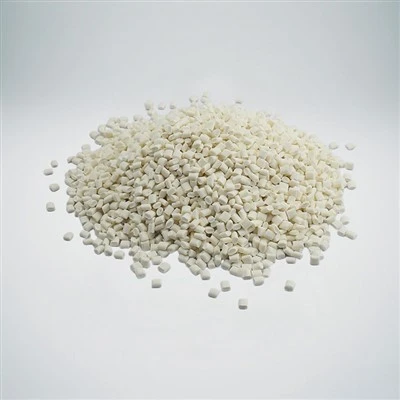
Whether you’re looking for a durable black masterbatch for outdoor furniture, a fade-resistant white masterbatch for siding, or a flexible colored masterbatch for hoses, the right masterbatch will make your product stand the test of time—no matter how much sun, rain, or temperature swings it faces. If you’re ready to learn more about which masterbatch is right for your outdoor application, get in touch to discuss your specific needs, project requirements, and performance goals.
References
- "The Effects of UV Radiation on Polymeric Materials" – SPE Plastics Engineering, 2021
- "Light Stabilizers for Outdoor Polymeric Applications" – Journal of Applied Polymer Science, 2019
- "Masterbatch Formulation Guidelines for Outdoor Polymers" – Color Pigment Manufacturers Association (CPMA), 2022
- "Accelerated Weathering Testing for Polymeric Outdoor Products" – ASTM International Standard G154-21, 2021