

If you’ve ever felt the quiet hum of a power line stretching across a valley, or plugged in a device without a second thought about whether the wiring will hold up, you’ve relied on cross-linked polyethylene (XLPE) cable—one of the most important materials in modern electrical infrastructure. As a supplier of XLPE cable compound, I get asked all the time: what makes this material so durable? The answer lies in a process called cross-linking, a chemical transformation that turns basic polyethylene into a material that can withstand extreme temperatures, voltage spikes, and decades of wear. Let’s break down how this process works, why it matters, and how we tailor our compounds to meet the unique needs of different projects.
First, let’s start with the basics: regular polyethylene (PE) is a thermoplastic. That means it’s made of long, flexible polymer chains that slide past one another when heated, which makes it easy to melt and mold during cable manufacturing—but also a major flaw. If you run regular PE too hot (say, in a power cable buried underground or running through an industrial plant), those chains start to separate, leading to softening, melting, and even electrical failure. Cross-linking fixes that by creating permanent bonds between the PE chains, turning them into a three-dimensional network that can’t melt when heated. Think of it like a bowl of cooked spaghetti: if the strands are loose (regular PE), they slip and slide when you lift the bowl. If you tie every strand to at least three others (cross-linked PE), the whole bowl becomes a single, strong, rigid structure that holds its shape no matter how you move it.
Cross-linking isn’t a one-size-fits-all process, though. The type of cross-linking used for XLPE cable falls into three main categories: chemical cross-linking, radiation cross-linking, and silane cross-linking. Each has its own advantages, and as a compound supplier, we work with our cable manufacturing partners to pick the right one based on their application. Let’s walk through each step-by-step, starting with the most common method for high-voltage power cables: chemical cross-linking.
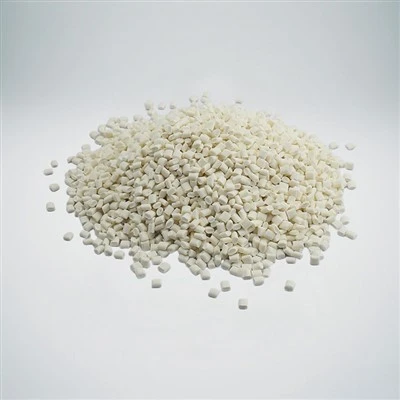
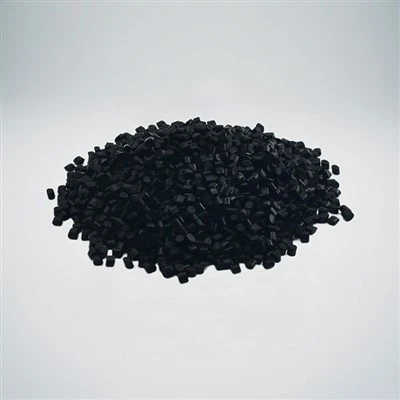
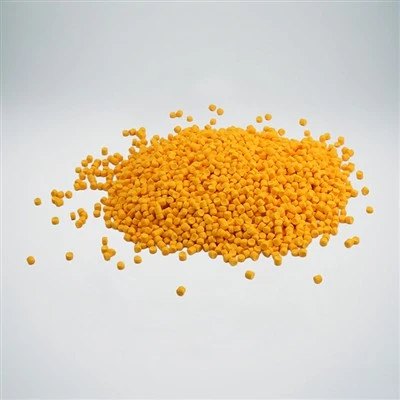
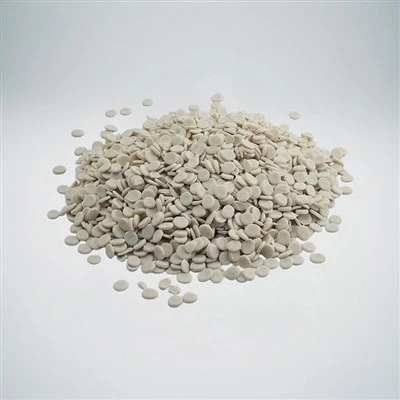
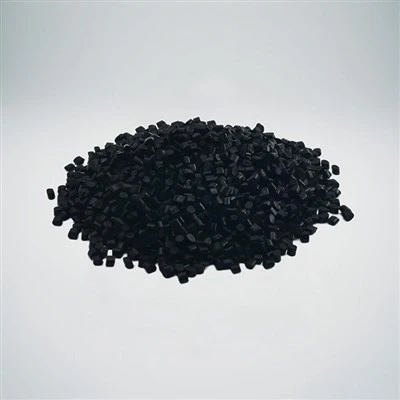
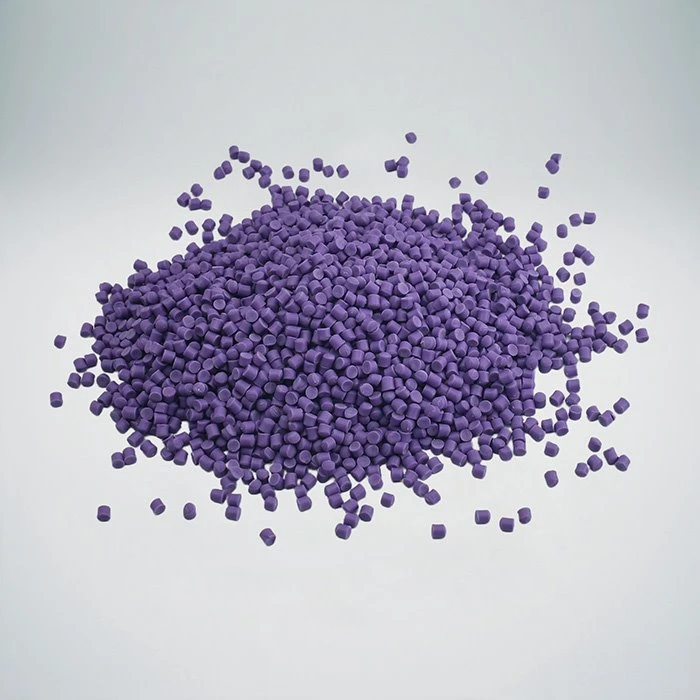
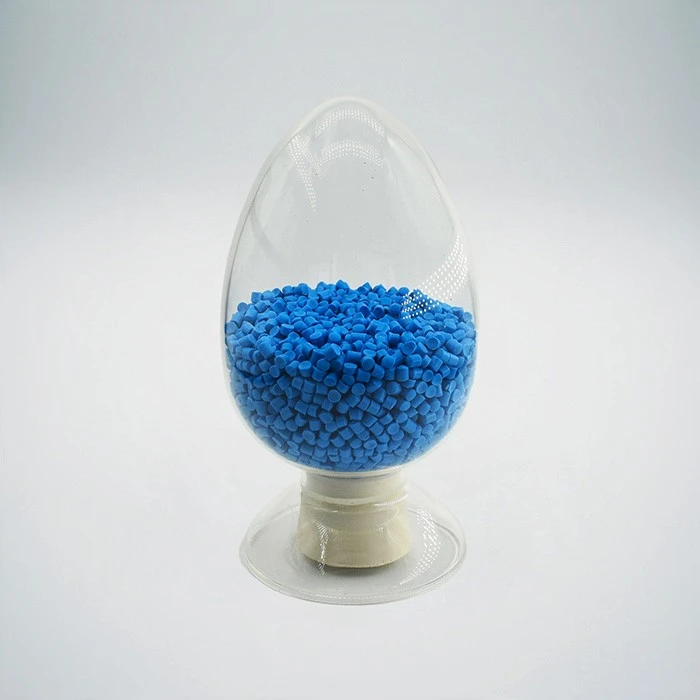
Chemical cross-linking uses a chemical agent called a cross-linker, most often dicumyl peroxide (DCP), mixed into the base PE resin before it’s extruded. Here’s how that works in practice. First, we start with a high-quality PE resin—usually low-density polyethylene (LDPE) or linear low-density polyethylene (LLDPE) because they have long, uniform chains that cross-link well. We add carefully measured amounts of DCP, along with other additives we’ve formulated into our custom compounds, like antioxidants to prevent degradation during cross-linking and operation, and flame retardants for cables used in indoor or commercial applications. That finished compound is what you’ll see on our page for XLPE Cable Compound—it’s engineered to mix consistently, extrude smoothly, and cross-link evenly without defects.
Once the compound is ready, the cable manufacturer extrudes it around the copper or aluminum conductor. Extrusion happens at relatively low temperatures (around 100–120°C) to avoid activating the DCP too early—this is called the “pre-cure” stage, and it ensures the XLPE stays a smooth, intact layer around the wire. After extrusion, the cable moves into a large, heated tube called a vulcanization tube (or curing tube), where temperatures jump to 180–200°C. At this point, the DCP breaks down into free radicals—highly reactive molecules with an unpaired electron. These free radicals attack the PE chains, snatching a hydrogen atom from a carbon along the chain and leaving a reactive spot. When two of these reactive spots meet, they form a covalent bond between the PE chains—this is the cross-link.
The key here is control. Too little cross-linking, and the material will still melt or degrade under heat. Too much cross-linking, and it becomes brittle, unable to flex without cracking. We test our compounds rigorously to hit the perfect cross-link density: usually between 70–90%, meaning 7 out of 10 PE chain segments are bonded to others. For context, thermoplastics like regular PE have 0% cross-linking, while rubbers can have 100% or more. This sweet spot gives XLPE its balance of heat resistance, tensile strength, and flexibility.
Next up is radiation cross-linking, a method more common for medium-voltage cables or specialty applications like aerospace wiring. Instead of using a chemical cross-linker, this process uses high-energy electron beams (or gamma rays) to knock electrons off the PE chains, creating free radicals that form cross-links. The benefits here are that there’s no residual cross-linker left in the material, which is critical for cables used in sensitive environments like data centers or medical facilities where outgassing of chemicals could be a problem. However, radiation cross-linking requires specialized equipment, and it’s harder to control for thick cables, so it’s not the go-to for all projects. As a supplier, we offer custom blends that work seamlessly with both chemical and radiation cross-linking processes, so our partners don’t have to rework their manufacturing lines to use our compounds.
The third method, silane cross-linking, is a middle ground that’s popular for low-voltage building wires and underground distribution cables. This process has two steps: first, the PE is mixed with a silane agent (like vinyltrimethoxysilane) and a catalyst, then extruded onto the conductor at low temperatures. Next, the cable is exposed to moisture (usually steam or humid air) in a process called “post-curing,” which triggers the silane molecules to react with the PE chains, forming cross-links. Silane cross-linking has the advantage of lower energy costs than chemical cross-linking—you don’t need a super hot vulcanization tube—and it works well for thick cables. We even have a tailored compound for low-voltage building wire that leverages silane cross-linking and meets strict flammability standards: check out our 125°C LSZH Building Wire Insulation Compound if you’re working on residential or commercial wiring projects.
Now, why does cross-linking matter in real-world terms? Let’s talk about the benefits that directly impact cable performance. First, heat resistance: regular PE starts to soften around 90°C, but XLPE can operate continuously at 90°C, with short-term withstand temperatures up to 250°C. That means it can handle the heat from high current loads in urban power lines without failing. Second, electrical insulation: cross-linking improves the dielectric strength of the material, so it can withstand higher voltages without arcing or breaking down. For high-voltage transmission lines, that means less energy loss over long distances, and for industrial cables, it means protection against voltage surges from heavy machinery. Third, durability: cross-linked PE is more resistant to chemicals, UV radiation, and moisture than regular PE, so XLPE cables can last 30–50 years, compared to just 15–20 years for regular PE cables. That’s a huge difference for infrastructure projects where replacement costs run into millions of dollars.
Of course, cross-linking isn’t without its challenges. One common issue is “cure unevenness”—if the cross-linking process isn’t controlled consistently, some parts of the cable will have too much cross-linking (brittle) and some too little (soft). At our facility, we test every batch of compound using a melt flow index (MFI) test, which measures how the material flows when heated. For XLPE, a lower MFI indicates a higher cross-link density, and we set tight quality controls to ensure every batch falls within the ideal range. We also use Fourier-transform infrared spectroscopy (FTIR) to measure the exact number of cross-links in the final product, so we can guarantee performance for our partners.
Another challenge is residual byproducts from chemical cross-linking. When DCP breaks down, it leaves small amounts of acetophenone and cumyl alcohol, which can cause odors or affect the material’s long-term stability if not removed properly. That’s why we process our compounds to remove these byproducts during manufacturing, and we offer formulations with stabilizers that minimize any residual effects. For applications where zero residual chemicals are critical, like underwater cables for offshore wind farms, we work with our partners to develop radiation-cross-linkable compounds that eliminate this issue entirely.
As a supplier, I’ve seen firsthand how advances in XLPE cross-linking are transforming the industry. The rise of renewable energy—solar farms, wind turbines, and battery storage facilities—requires cables that can handle variable loads and operate in harsh environments, from desert heat to offshore saltwater. XLPE’s cross-linked structure makes it the perfect material for these applications. For example, in offshore wind farms, XLPE subsea cables must withstand constant water pressure, UV radiation from any exposed sections, and extreme temperature changes, all while carrying high voltage from the turbines to shore. Our XLPE compounds are formulated to meet the strict IEC 60840 standard for high-voltage cables, so our partners can trust that the material will perform for decades in these demanding conditions.
I also want to touch on something that’s top of mind for everyone in the industry right now: sustainability. Cross-linked PE isn’t as easy to recycle as regular thermoplastic PE, because the bonds between the chains are permanent. But that doesn’t mean XLPE is a dead end for sustainability—we’re working on new recycling technologies that break the cross-links without damaging the PE chains, turning old XLPE cables into new compound for low-voltage applications. We also design our compounds to minimize waste: consistent extrusion means less scrap during cable manufacturing, and our formulations use less energy during cross-linking than older XLPE blends. For example, our silane-cross-linked building wire compound (linked earlier) is designed to cure at lower temperatures, cutting energy use during production by 15% compared to traditional chemical cross-linking blends.
At the end of the day, the cross-linking process for XLPE cable compound is a masterclass in chemical engineering: turning a simple plastic into a material that forms the backbone of the global electrical grid. It’s not just about mixing chemicals and heating them—it’s about precision, testing, and tailoring every batch to the specific needs of the project. Whether you’re manufacturing a low-voltage building wire for a new apartment complex, a medium-voltage cable for a wind farm, or a high-voltage transmission line that spans hundreds of miles, the right XLPE compound and a well-controlled cross-linking process will make all the difference in how long that cable lasts.
If you’re working on an electrical project and need a reliable XLPE compound, or if you have questions about cross-linking methods, custom formulations, or quality standards, I’d be happy to connect with you. We partner with cable manufacturers around the world to provide compounds that meet their exact specifications, and we offer technical support to help integrate our materials into your production process. Don’t hesitate to reach out to start a conversation about your next project.
References
- “Cross-Linked Polyethylene (XLPE) for Power Cables.” IEEE Transactions on Dielectrics and Electrical Insulation, vol. 20, no. 3, 2013, pp. 739–753.
- Karger-Kocsis, J., and Bárány, T. “Polyethylene Cross-Linking: A Review.” Progress in Polymer Science, vol. 37, no. 12, 2012, pp. 1659–1708.
- International Electrotechnical Commission. IEC 60840:2020, Power Cables with Extruded Insulation for Rated Voltages Above 30 kV (Um = 36 kV) up to 150 kV (Um = 170 kV) – Test Methods and Requirements, 2020.
- “Silane Cross-Linking of Polyethylene for Cable Applications.” Journal of Applied Polymer Science, vol. 115, no. 4, 2010, pp. 2157–2165.