

Do anti - termite masterbatches cause any static electricity issues in plastics?
As a supplier of anti - termite masterbatches, I often encounter various questions from customers. One of the frequently asked questions is whether anti - termite masterbatches cause any static electricity issues in plastics. In this blog post, I will delve into this topic and provide a comprehensive analysis based on scientific knowledge and practical experience.
Understanding Anti - Termite Masterbatches
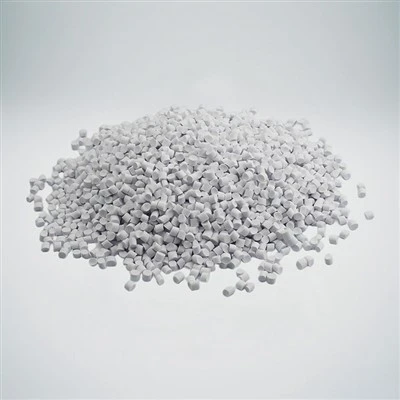
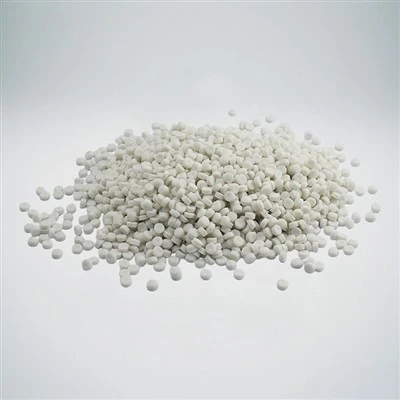
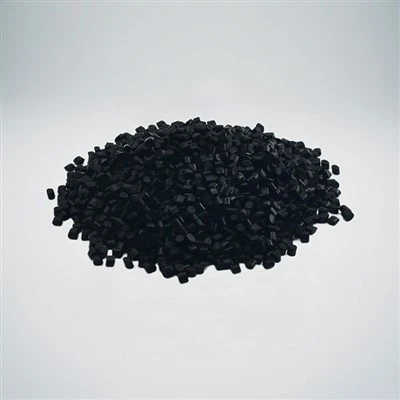
Anti - termite masterbatches are additives used in the plastic manufacturing process to protect plastic products from termite damage. These masterbatches contain active ingredients that are toxic or repellent to termites. When incorporated into plastics, they form a protective layer that deters termites from chewing or nesting in the plastic material.
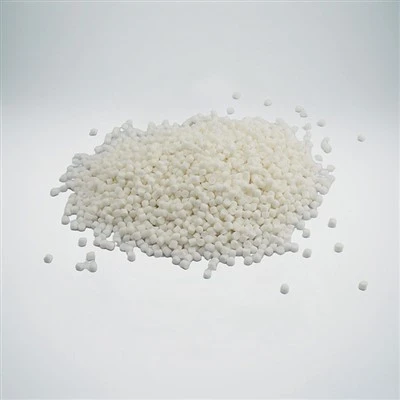
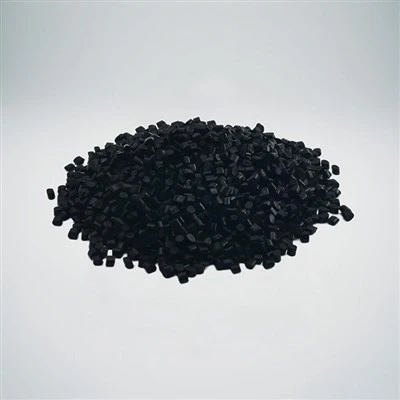
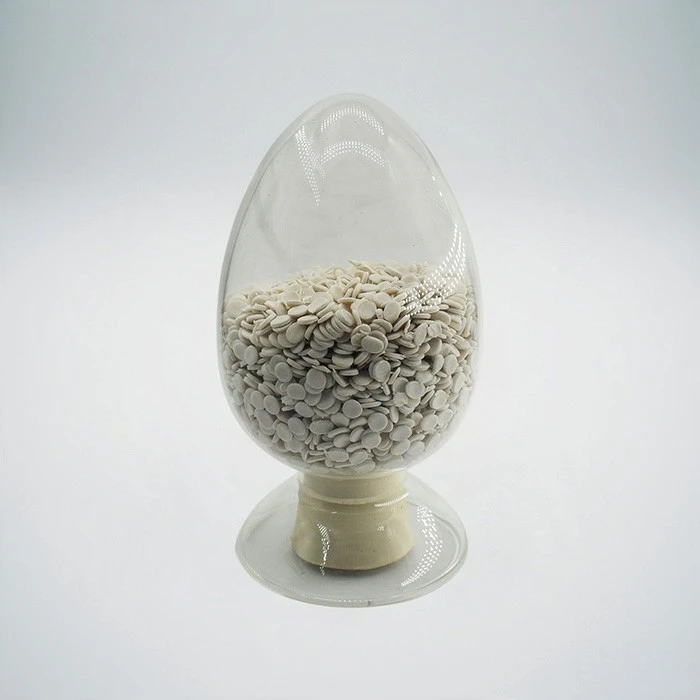
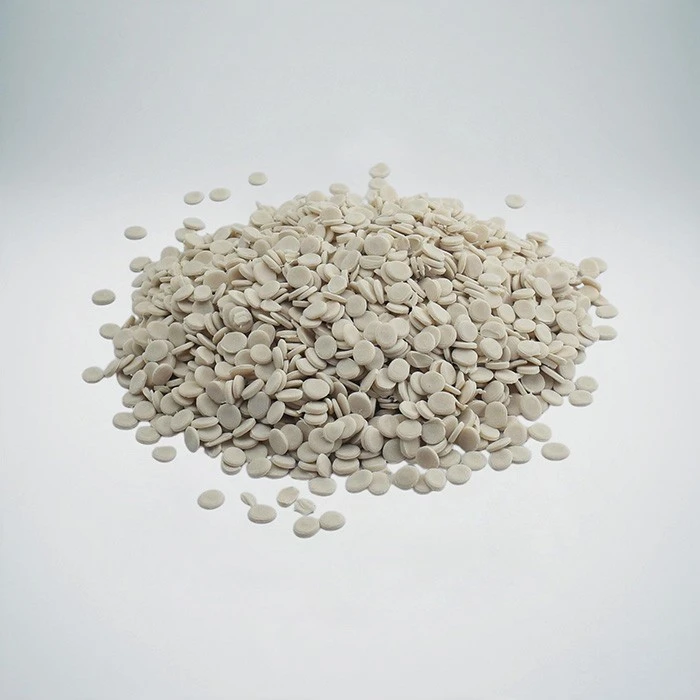
There are different types of anti - termite masterbatches available in the market. For example, the Anti - Termite Cable Masterbatch is specifically designed for cable insulation and sheathing applications, providing long - term protection against termite attacks. Another type is the Fast - Acting Anti - Termite Cable Masterbatch, which can quickly repel termites, reducing the risk of immediate damage to cables.
Static Electricity in Plastics
Static electricity is a common phenomenon in plastics. It occurs when two materials come into contact and then separate, causing a transfer of electrons. In the case of plastics, this can happen during the manufacturing process, such as extrusion, injection molding, or during handling and transportation of plastic products.
Static electricity in plastics can lead to several problems. It can attract dust and debris, which can affect the appearance and performance of the plastic products. In some cases, static discharge can cause damage to electronic components if the plastic is used in electronic enclosures or packaging. Moreover, static electricity can pose a safety hazard in environments where flammable substances are present, as a static spark can ignite these substances.
Factors Affecting Static Electricity Generation in Plastics
Several factors influence the generation and accumulation of static electricity in plastics. The type of plastic resin plays a crucial role. Some plastics, such as polyethylene and polypropylene, are more likely to generate static electricity due to their low electrical conductivity. The surface roughness of the plastic also matters. A rough surface can increase the contact area during friction, leading to more significant static charge generation.
The processing conditions, such as temperature and humidity, also have an impact. Low humidity environments tend to promote static electricity generation because the air is less conductive, making it more difficult for the static charge to dissipate. Additionally, the speed of processing and the pressure applied during manufacturing can affect the degree of friction between the plastic and the processing equipment, thereby influencing static charge generation.
Impact of Anti - Termite Masterbatches on Static Electricity
Now, let's discuss whether anti - termite masterbatches cause static electricity issues in plastics. In general, anti - termite masterbatches themselves do not directly cause static electricity. However, they can potentially influence static charge behavior in plastics through several mechanisms.
Firstly, the active ingredients in anti - termite masterbatches may change the surface properties of the plastic. If the active ingredients alter the surface energy or roughness of the plastic, it can affect the friction coefficient during processing and handling. A change in the friction coefficient can, in turn, impact the generation and dissipation of static electricity.
Secondly, the dispersion of the masterbatch in the plastic matrix can be a factor. If the masterbatch is not well - dispersed, it may create uneven regions in the plastic, which can lead to non - uniform charge distribution. This non - uniformity can cause local accumulation of static charge, increasing the risk of static - related problems.
However, it's important to note that modern anti - termite masterbatches are designed to minimize these potential issues. Manufacturers take into account the electrical properties of the plastic and the masterbatch ingredients during the formulation process. They conduct extensive research and development to ensure that the masterbatch does not significantly affect the static behavior of the plastic.
Mitigating Static Electricity Issues
If there are concerns about static electricity issues in plastics containing anti - termite masterbatches, several measures can be taken to mitigate these problems.
One approach is to use antistatic agents. Antistatic agents can be added to the plastic formulation along with the anti - termite masterbatch. These agents work by increasing the surface conductivity of the plastic, allowing the static charge to dissipate more easily. There are two main types of antistatic agents: internal and external. Internal antistatic agents are incorporated into the plastic during the manufacturing process, while external antistatic agents are applied to the surface of the plastic after production.
Another way is to control the processing environment. Maintaining appropriate temperature and humidity levels can help reduce static electricity generation. For example, increasing the humidity in the manufacturing facility can make the air more conductive, facilitating the dissipation of static charge.
Proper grounding of processing equipment is also essential. Grounding provides a path for the static charge to flow safely to the ground, preventing the accumulation of static electricity on the equipment and the plastic products.
Conclusion
In conclusion, anti - termite masterbatches do not inherently cause static electricity issues in plastics. However, they can potentially influence static charge behavior through changes in surface properties and dispersion. With proper formulation and the implementation of appropriate mitigation measures, such as using antistatic agents, controlling the processing environment, and grounding equipment, any potential static - related problems can be effectively managed.
If you are interested in our anti - termite masterbatches or have any questions regarding their performance and potential static electricity issues, please feel free to contact us for further discussion and procurement negotiation. We are committed to providing high - quality products and professional solutions to meet your specific needs.
References
- "Plastics Science and Technology" by John Murphy.
- Research papers on anti - termite additives in plastics from industry - recognized scientific journals.