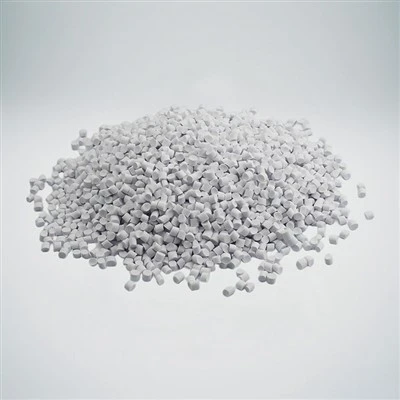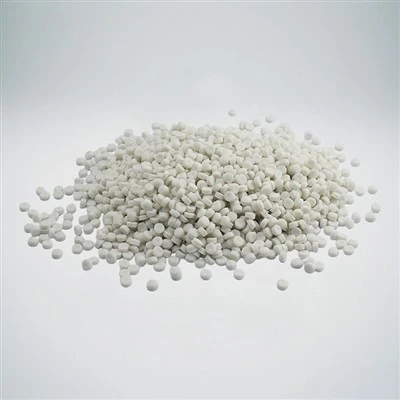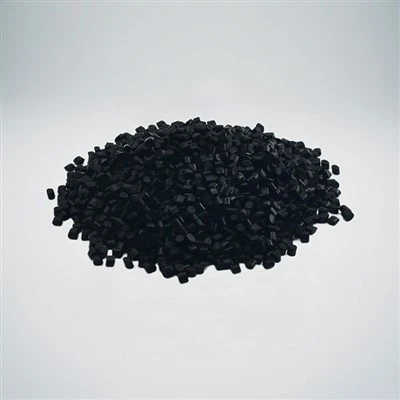


As a supplier of Photovoltaic LSZH Cable Compound, I've been frequently asked about regional restrictions on its use. This topic is crucial for both manufacturers and end - users, as understanding these limitations can prevent legal issues, ensure product safety, and optimize performance in PV systems.
Understanding Photovoltaic LSZH Cable Compound
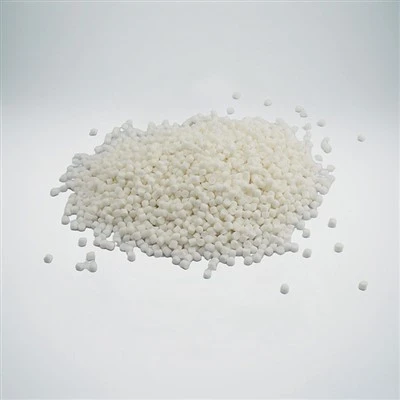
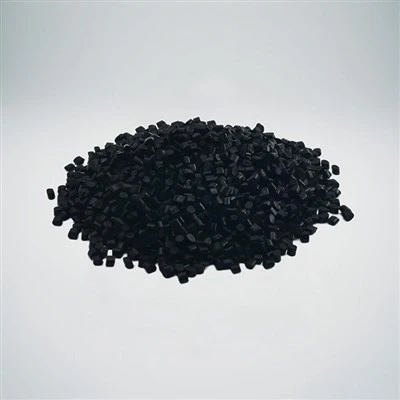
Before delving into regional restrictions, it's essential to understand what Photovoltaic LSZH Cable Compound is. LSZH stands for Low Smoke Zero Halogen. This compound is used in the insulation and sheathing of photovoltaic cables. It has several advantages, such as low smoke emissions during a fire, no release of harmful halogen gases, and good resistance to environmental factors like UV radiation and extreme temperatures. These features make it an ideal choice for PV installations, where safety and long - term durability are paramount.
Regional Regulations and Standards
Europe
Europe is known for its strict environmental and safety regulations. The European Union has implemented the Restriction of Hazardous Substances (RoHS) directive, which restricts the use of certain hazardous materials, including lead, mercury, cadmium, hexavalent chromium, polybrominated biphenyls (PBB), and polybrominated diphenyl ethers (PBDE). Photovoltaic LSZH Cable Compound must comply with these regulations to be used in PV installations within the EU.
Another important standard in Europe is the EN 50618 standard. This standard is specifically for photovoltaic cables and defines requirements for their design, construction, and performance. Any LSZH cable compound used in Europe must meet the requirements of this standard to ensure the safety and reliability of PV systems. Failure to comply with these regulations can result in significant fines and legal consequences for manufacturers and installers.
North America
In North America, the National Electrical Code (NEC) in the United States and the Canadian Electrical Code (CEC) in Canada govern the installation of PV systems. These codes set requirements for the use of cables, including those made with Photovoltaic LSZH Cable Compound.
For example, the NEC has specific requirements for the ampacity, voltage rating, and physical protection of PV cables. Additionally, the UL 4703 standard in the United States addresses the specific requirements for photovoltaic cables. The LSZH cable compound used in North America must comply with these standards to be approved for use in PV installations. Some regions may also have additional local regulations that further restrict or specify the use of certain cable materials.
Asia
Asia is a diverse region with a wide range of regulations. In countries like China, the China Compulsory Certification (CCC) system is in place. PV cables and their associated compounds must obtain CCC certification to be sold and used in the Chinese market.
Japan has its own set of standards for PV systems, which include requirements for cable materials. The Japanese Industrial Standards (JIS) define the specifications for cables, and Photovoltaic LSZH Cable Compound must adhere to these standards. Additionally, some countries in Southeast Asia are gradually adopting more stringent environmental and safety regulations modeled after European and American standards in an effort to improve the quality and safety of PV installations.
Factors Influencing Restrictions
Environmental Concerns
One of the main reasons for regional restrictions is environmental protection. LSZH cable compounds are already designed to be more environmentally friendly compared to traditional cable materials. However, some regions may have additional requirements, such as a maximum allowable level of certain chemicals or a need for biodegradability.
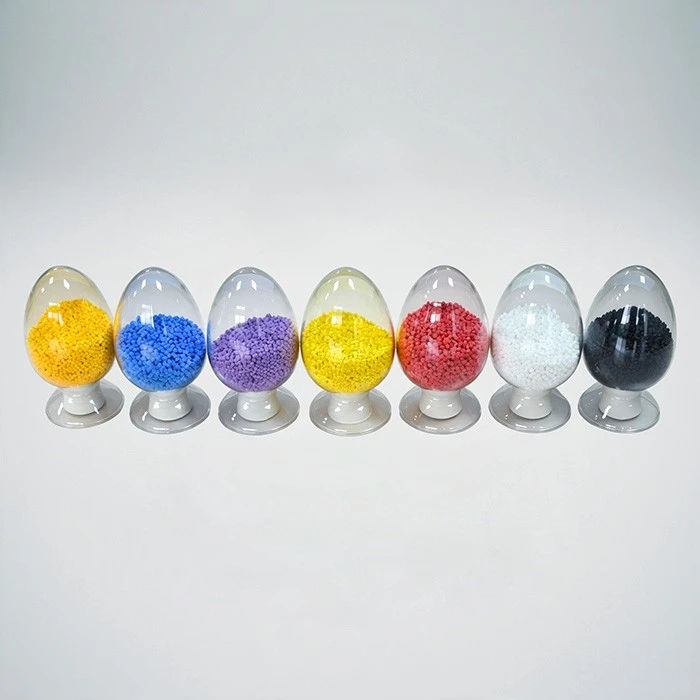
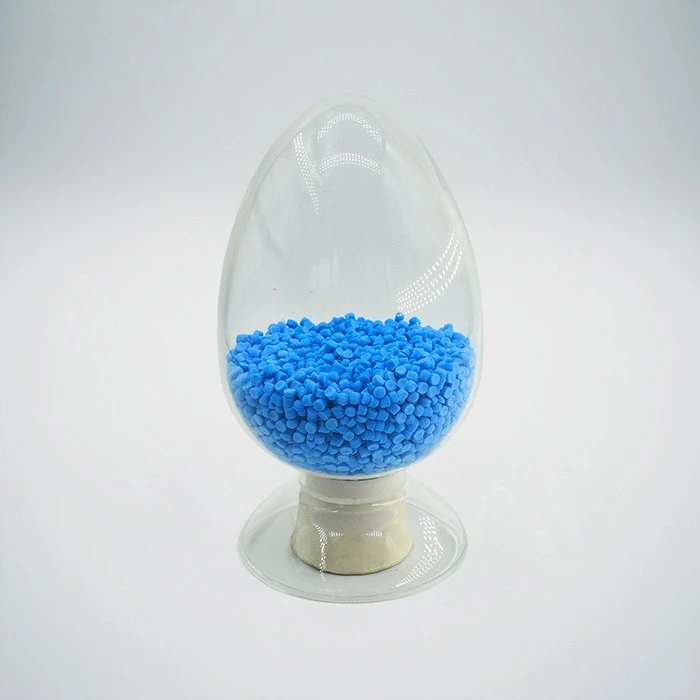
For example, in areas with high environmental protection priorities, there may be restrictions on the use of additives in the cable compound that could potentially leach into the soil or water over time. These regulations are put in place to prevent long - term environmental damage from PV installations.
Fire Safety
Fire safety is another critical factor. The low smoke and zero - halogen properties of LSZH cable compounds are highly valued in preventing the spread of toxic gases and reducing visibility impairment during a fire. Some regions may have more stringent fire safety requirements, such as a need for cables to maintain circuit integrity for a certain period during a fire. This can lead to restrictions on the use of cable compounds that do not meet these high - level fire safety standards.
Compatibility with Local PV Infrastructure
The existing PV infrastructure in a region can also influence the use of Photovoltaic LSZH Cable Compound. For example, if a region has a large number of older PV installations, the new cable compounds must be compatible with the existing systems. Some regions may restrict the use of new cable compounds if they are not proven to be compatible with the local PV infrastructure, as this could lead to compatibility issues and potential system failures.
Navigating Regional Restrictions
As a supplier, we understand the challenges that our customers face in navigating regional restrictions. We work closely with our R & D team to ensure that our Photovoltaic LSZH Cable Compound meets the most stringent international and regional standards.
We provide detailed technical documentation and certification information to our customers. This includes information on the chemical composition of the compound, its performance under different environmental conditions, and its compliance with various standards. We also offer consulting services to help our customers understand the specific requirements in their target regions.
Conclusion and Call to Action
In conclusion, there are indeed restrictions on the use of Photovoltaic LSZH Cable Compound in different regions. These restrictions are mainly driven by environmental protection, fire safety, and compatibility with local PV infrastructure. As a reliable supplier, we are committed to providing high - quality products that meet all relevant standards.
If you are in the process of planning a PV installation or are looking for a trusted supplier of Photovoltaic LSZH Cable Compound, we invite you to contact us for more information. Our team of experts is ready to assist you in selecting the right product for your specific needs and ensuring compliance with all regional regulations.
References
- Restriction of Hazardous Substances Directive (RoHS)
- EN 50618 Standard for Photovoltaic Cables
- National Electrical Code (NEC)
- Canadian Electrical Code (CEC)
- UL 4703 Standard for Photovoltaic Cables
- China Compulsory Certification (CCC)
- Japanese Industrial Standards (JIS)