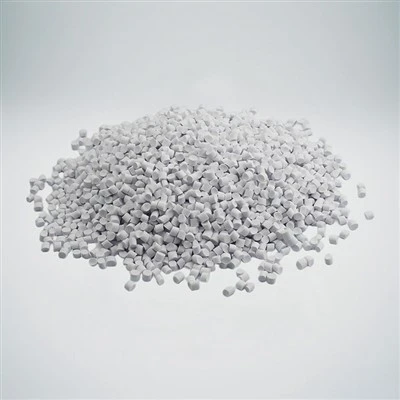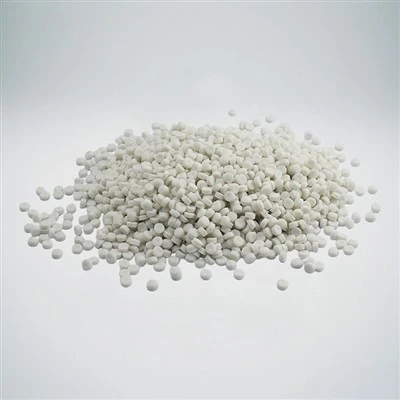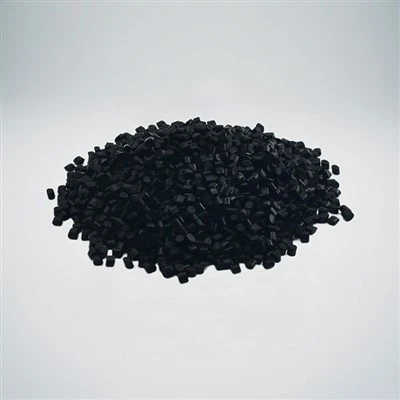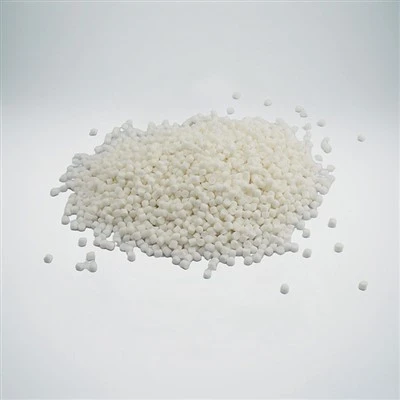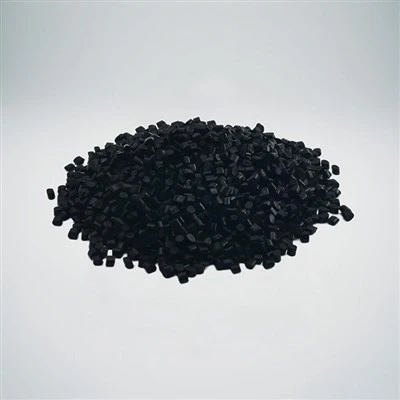


Customizing PE cable compounds involves a meticulous process that requires careful consideration of multiple factors to ensure the final product meets the specific needs of various applications. As a PE cable compounds supplier, I have witnessed firsthand the importance of understanding these factors to deliver high - quality, customized solutions.
1. Electrical Properties
- Insulation Resistance: One of the primary functions of cable compounds is to provide electrical insulation. For power cables, a high insulation resistance is crucial to minimize power losses and prevent electrical leakage. When customizing PE cable compounds, the polymer type, filler content, and the presence of additives need to be carefully balanced. For example, the use of high - purity polyethylene resin can enhance insulation resistance. Additives like antioxidants can also help maintain the long - term stability of the electrical properties by preventing oxidation - induced degradation.
- Dielectric Constant: In high - frequency applications such as communication cables, the dielectric constant of the cable compound plays a vital role. A low dielectric constant is desirable to reduce signal attenuation and ensure efficient signal transmission. Different types of polyethylene, such as low - density polyethylene (LDPE), linear low - density polyethylene (LLDPE), and high - density polyethylene (HDPE), have different dielectric constants. LDPE generally has a relatively lower dielectric constant compared to HDPE, making it a better choice for some high - frequency applications.
2. Mechanical Properties
- Tensile Strength and Elongation at Break: Cables are often subjected to various mechanical stresses during installation and use. Adequate tensile strength and elongation at break are essential to prevent cable breakage. The molecular structure of the polyethylene resin significantly affects these properties. HDPE, with its higher density and more ordered molecular chains, typically has higher tensile strength than LDPE or LLDPE. However, LLDPE offers good elongation at break, making it suitable for applications where flexibility is required. When customizing, we can adjust the molecular weight distribution of the resin and the use of additives to fine - tune these mechanical properties.
- Abrasion Resistance: In applications where cables are likely to rub against other surfaces, such as underground or in industrial environments, abrasion resistance is a key consideration. Adding fillers like carbon black or certain mineral whiskers can improve the abrasion resistance of PE cable compounds. Carbon black also provides additional benefits such as UV resistance, which is important for outdoor cables.
3. Chemical Resistance
- Resistance to Chemicals in the Environment: Cables may be exposed to various chemicals in their operating environment, including acids, alkalis, and organic solvents. The choice of polyethylene and the addition of chemical - resistant additives are critical. For example, in a cable installation near a chemical plant, a compound with high resistance to strong acids or alkalis needs to be developed. The type and concentration of additives should be carefully determined based on the specific chemical exposure. Some polymers can be modified with chemical - resistant groups to enhance the overall chemical resistance of the compound.
- Compatibility with Other Materials: In a cable system, the PE cable compound needs to be compatible with other materials such as conductors, insulation layers, and jacket materials. Incompatibility can lead to issues such as delamination or corrosion. For instance, when using a metal conductor, the cable compound should not react with the metal, which can be achieved by careful selection of additives and formulating the compound to have stable chemical properties.
4. Thermal Properties
- Thermal Conductivity: For power cables, efficient heat dissipation is essential to prevent overheating and extend the cable's lifespan. A higher thermal conductivity of the cable compound can help transfer heat away from the conductor. This can be achieved by adding thermally conductive fillers such as aluminum oxide or boron nitride. However, the addition of fillers needs to be balanced with other properties, as excessive fillers may affect the mechanical and electrical properties of the compound.
- Melting Point and Thermal Stability: The melting point of the PE cable compound should be appropriate for the cable's operating temperature range. In high - temperature environments, a compound with a higher melting point is required. Thermal stabilizers are often added to enhance the thermal stability of the compound, preventing thermal degradation during long - term operation.
5. Environmental Factors
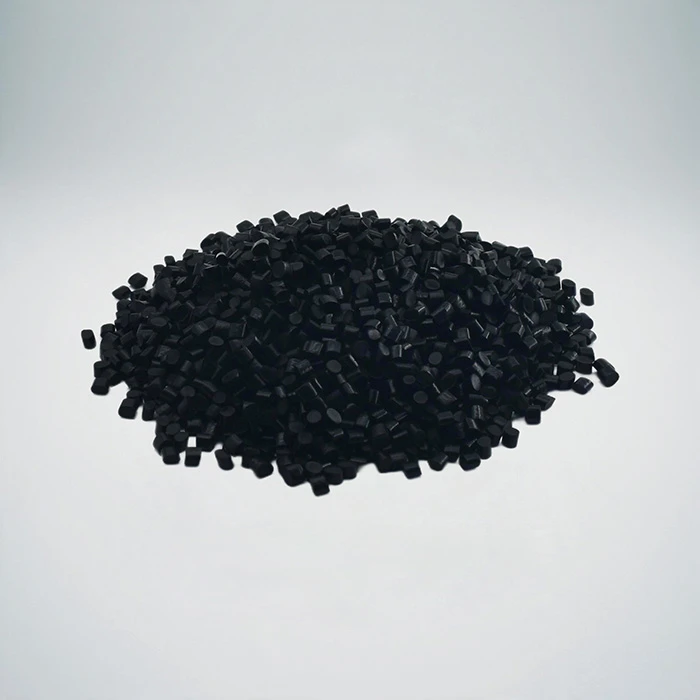
- UV Resistance: Outdoor cables are exposed to sunlight, and the UV radiation can cause the degradation of polyethylene. Adding UV stabilizers and carbon black to the compound can significantly improve its UV resistance. Carbon black not only absorbs UV radiation but also provides some protection against oxidative degradation. Black LLDPE Cable Sheathing Compound and Black HDPE Cable Sheathing Compound are examples of products that are designed to have good UV resistance due to the presence of carbon black.
- Flame Retardancy: In many applications, especially in buildings and public places, flame - retardant cables are required. Flame - retardant additives such as halogen - based or halogen - free additives can be incorporated into the PE cable compound. Halogen - free additives are becoming more popular due to their environmental friendliness and reduced toxicity during a fire.
6. Processing Requirements
- Melt Flow Index: The melt flow index (MFI) of the PE cable compound is an important parameter for the processing of cables. A suitable MFI ensures that the compound can be easily extruded or molded into the desired cable shape. The MFI is influenced by factors such as the molecular weight of the polyethylene resin and the presence of additives. For example, a lower MFI indicates a higher molecular weight and a more viscous melt, which may require higher processing temperatures and pressures.
- Extrusion and Molding Characteristics: The compound should have good extrusion and molding characteristics to ensure uniform cable production. This includes factors such as the ability to form a smooth surface, the absence of extrusion defects like shark - skinning or melt fracture, and good adhesion to other cable components. The formulator needs to optimize the recipe to achieve the best processing performance.
Conclusion and Call to Action
Customizing PE cable compounds is a complex but rewarding process that requires a deep understanding of the various factors involved. At [Our Company], we have the expertise and experience to develop customized PE cable compounds that meet your specific requirements. Whether you need a compound with high electrical insulation, excellent mechanical properties, or enhanced environmental resistance, we can work with you to create the perfect solution.
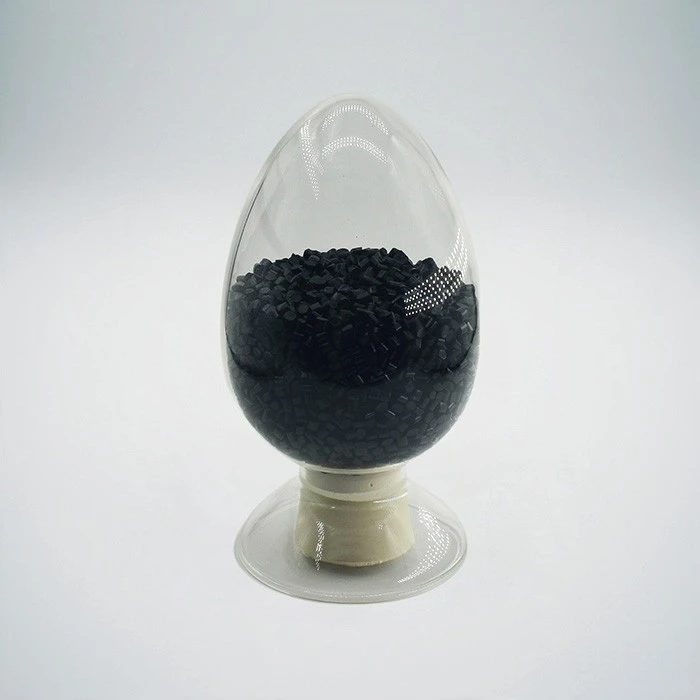
If you are interested in our PE cable compounds or would like to discuss a custom - made product, please feel free to contact us. Our team of experts is ready to assist you in finding the most suitable cable compound for your application.
References
- "Handbook of Polyethylene" by Andrew Peacock
- "Plastics in Cable Technology" by John Murphy
- Industry standards and regulations related to cable materials