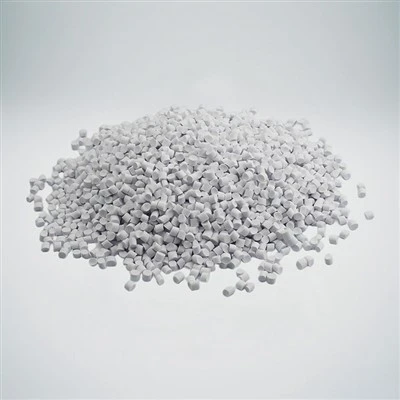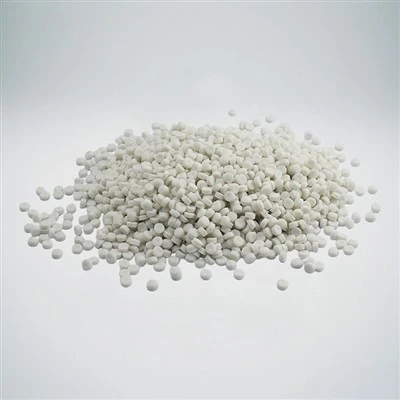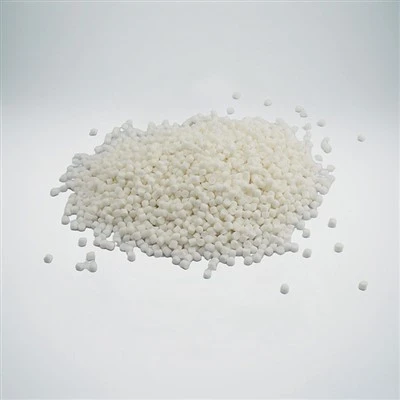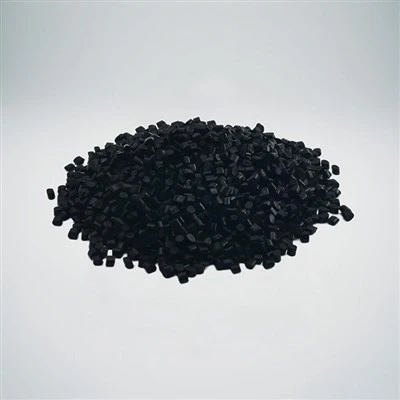


Submarine cables play a pivotal role in modern global communication and power transmission systems. These cables are laid across the ocean floor to connect continents, islands, and offshore platforms, enabling the seamless flow of data, electricity, and other essential services. As a PE cable compounds supplier, understanding the requirements for PE cable compounds used in submarine cables is crucial to ensure the reliability, durability, and performance of these critical infrastructure components.
Physical and Mechanical Properties
Density and Hardness
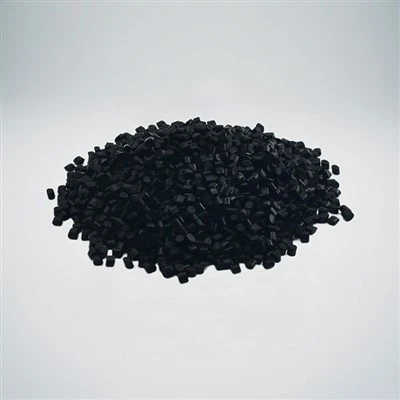
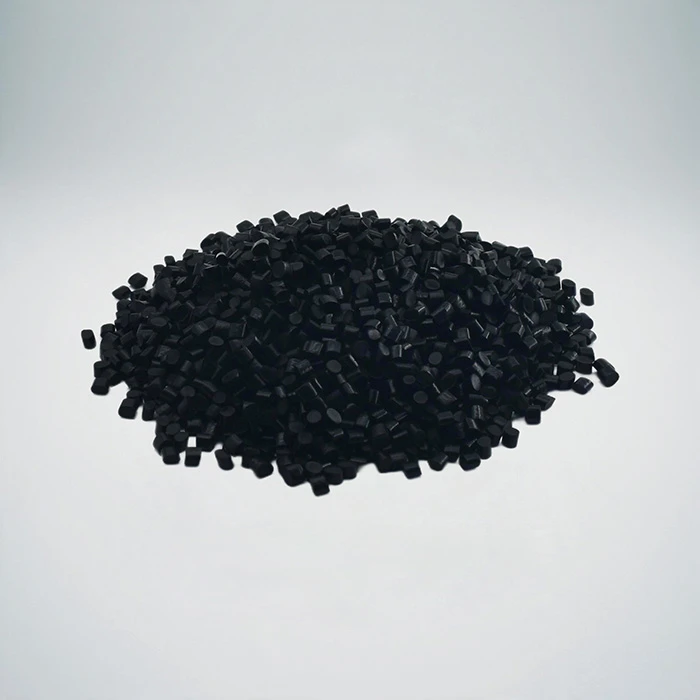
PE cable compounds for submarine cables need to have appropriate density and hardness. Higher - density polyethylene, such as Black HDPE Cable Sheathing Compound, generally offers better mechanical strength and resistance to impacts. The hardness of the compound must be sufficient to withstand the challenges presented by the underwater environment, including abrasion from the seabed, potential contact with fishing gear, and pressure variations at different depths.
Tensile and Elongation at Break
Excellent tensile strength and elongation at break are essential. Submarine cables may experience significant pulling forces during installation and can also be subjected to dynamic stresses over time due to ocean currents and seismic activities. The PE compound should be able to withstand these forces without breaking or deforming permanently. A high elongation at break ensures that the cable can adapt to some degree of stretching and bending without structural failure.
Flexibility
Flexibility is crucial for cable installation and operation. The cable needs to be coiled, uncoiled, and laid along the irregular seabed. A PE cable compound with good flexibility allows the cable to be bent without cracking or causing internal damage to the conductors or other components. Low - density polyethylene (LDPE) or linear low - density polyethylene (LLDPE), such as Black LLDPE Cable Sheathing Compound, often provides better flexibility compared to high - density polyethylene, although the choice depends on the specific application requirements.
Chemical and Environmental Resistance
Water Resistance
One of the most critical requirements for submarine cable compounds is excellent water resistance. Water penetration into the cable can cause significant issues, such as corrosion of conductors, degradation of insulation materials, and electrical short - circuits. PE is inherently a hydrophobic material, but the cable compound needs to be formulated to have extremely low water absorption characteristics. This helps prevent any water from reaching the internal components of the cable over long periods of operation.
Chemical Resistance
The submarine environment is rich in various chemical substances, including salts, acids, and alkalis. PE cable compounds should be resistant to these chemicals to avoid degradation. The presence of salt in seawater can accelerate corrosion processes if the cable compound is not chemically resistant. Additionally, some areas of the ocean may have a more acidic or alkaline pH due to natural or human - induced factors, and the compound must withstand these variations.
Resistance to Microorganisms
Microorganisms in the ocean, such as bacteria, fungi, and algae, can attach to the cable surface and potentially cause biofouling. Biofouling not only adds extra weight to the cable but can also lead to corrosion and damage to the cable sheath. The PE cable compound should be designed to be resistant to microorganism growth or at least have a surface that is difficult for microorganisms to adhere to. Antimicrobial additives can sometimes be incorporated into the compound formulation to enhance this resistance.
Electrical Properties
Insulation Resistance
For power and telecommunications submarine cables, maintaining high insulation resistance is of utmost importance. The PE cable compound used as insulation material should have a very low electrical conductivity to prevent electrical leakage and ensure efficient power transmission or data transfer. Any reduction in insulation resistance can lead to power losses, signal attenuation, and potential safety hazards.
Dielectric Constant
The dielectric constant of the PE cable compound affects the electrical performance of the cable. A low dielectric constant is desirable as it reduces the capacitance of the cable, which in turn minimizes signal distortion and power losses, especially in high - frequency applications such as high - speed data transmission cables.
Thermal Properties
Heat Resistance
Submarine cables may generate heat during operation, especially in power transmission applications. The PE cable compound needs to be able to withstand the heat without significant degradation. High - temperature exposure can cause the compound to soften, lose its mechanical strength, and increase its electrical conductivity. Therefore, the compound should have a high melting point and good heat - ageing resistance to ensure long - term reliability.
Cold Resistance
Submarine cables are also exposed to cold temperatures, especially at greater depths. The compound should remain flexible and retain its mechanical and electrical properties at low temperatures. If the compound becomes brittle at cold temperatures, it can crack easily, leading to water ingress and other failures.
Processing and Manufacturing Requirements
Extrusion Characteristics
The PE cable compound should have good extrusion characteristics. During the cable manufacturing process, the compound needs to be extruded smoothly onto the cable core. This requires the compound to have appropriate melt flow index (MFI), viscosity, and thermal stability during extrusion. A well - formulated compound ensures a uniform and defect - free cable sheath, which is essential for the long - term performance of the submarine cable.
Compatibility with Other Materials
In a submarine cable, the PE cable compound is used in conjunction with other materials, such as conductors, insulation layers, and armouring materials. The compound must be compatible with these materials to ensure good adhesion and long - term stability. Incompatibility can lead to delamination, poor electrical contact, and reduced mechanical integrity of the cable.
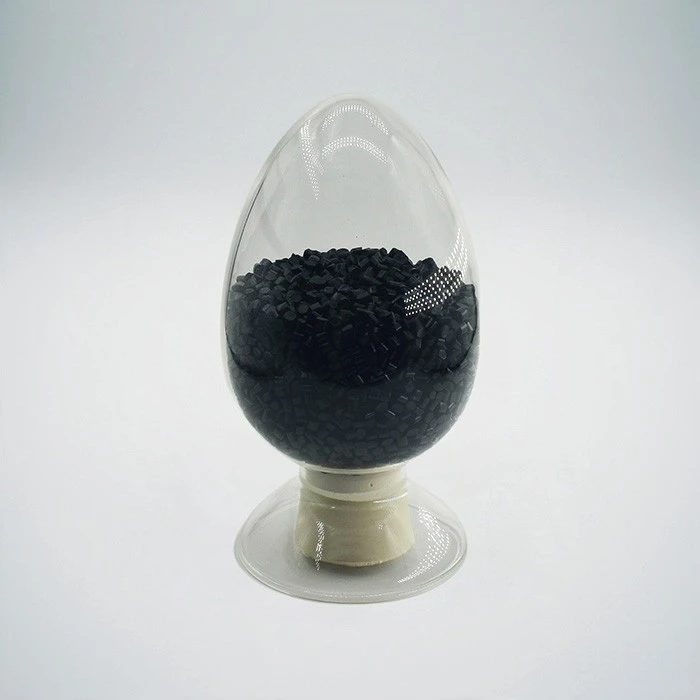
As a reliable PE cable compounds supplier, we are committed to developing and producing high - quality PE cable compounds that meet all the stringent requirements for submarine cables. Our products are carefully formulated using advanced technologies and high - quality raw materials to ensure optimal performance in the harsh submarine environment.
If you are involved in the submarine cable industry and are looking for top - notch PE cable compounds that can meet all your project requirements, we invite you to contact us for procurement and further discussions. We are ready to provide you with customized solutions and excellent technical support to ensure the success of your submarine cable projects.
References
- "Handbook of Submarine Cables"
- "Polymer Materials for Electrical and Electronic Applications"