

As a seasoned supplier of marine cable compounds, I've witnessed firsthand the critical role that adhesion between cable compounds and sheaths plays in the performance and durability of marine cables. In the harsh marine environment, where cables are constantly exposed to saltwater, humidity, and mechanical stress, ensuring strong adhesion is paramount to maintain the integrity of the cable system. In this blog post, I'll share some insights and strategies on how to enhance the adhesion of marine cable compounds to cable sheaths.
Understanding the Basics of Adhesion
Before delving into the methods of enhancing adhesion, it's essential to understand the factors that influence it. Adhesion is the result of intermolecular forces between the cable compound and the sheath material. These forces can be affected by several factors, including the surface properties of the sheath, the chemical composition of the cable compound, and the processing conditions during cable manufacturing.
The surface properties of the sheath, such as roughness, cleanliness, and chemical composition, can significantly impact adhesion. A rough surface provides more contact area for the cable compound to bond to, while a clean surface free of contaminants ensures better chemical interaction. The chemical composition of the sheath material also plays a role, as different polymers have different surface energies and chemical reactivity.
The chemical composition of the cable compound is another crucial factor. The compound should be formulated to have good compatibility with the sheath material and to form strong chemical bonds. Additives such as adhesion promoters can be incorporated into the compound to enhance adhesion. These additives work by chemically reacting with the sheath surface or by forming a strong physical bond.
Processing conditions during cable manufacturing, such as temperature, pressure, and curing time, can also affect adhesion. Proper processing parameters ensure that the cable compound and the sheath material are properly bonded and that the adhesion is maximized.
Surface Preparation of the Cable Sheath
One of the most effective ways to enhance adhesion is to properly prepare the surface of the cable sheath. This can involve several steps, including cleaning, roughening, and chemical treatment.
Cleaning: The sheath surface must be thoroughly cleaned to remove any contaminants, such as dirt, oil, or grease, which can prevent proper adhesion. Solvent cleaning or ultrasonic cleaning can be used to achieve a clean surface. After cleaning, the sheath should be dried to prevent moisture from interfering with the adhesion process.
Roughening: Roughening the sheath surface can increase the contact area between the cable compound and the sheath, thereby enhancing adhesion. This can be done through mechanical methods, such as sandblasting or grinding, or chemical methods, such as etching. The degree of roughness should be carefully controlled to avoid damaging the sheath.
Chemical Treatment: Chemical treatment can modify the surface properties of the sheath to improve adhesion. This can involve the use of primers or coupling agents, which react with the sheath surface and the cable compound to form strong chemical bonds. For example, silane coupling agents can be used to improve the adhesion between a polymer sheath and a cable compound containing inorganic fillers.
Selection of the Right Cable Compound
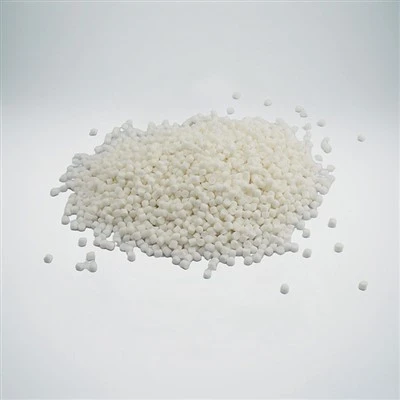
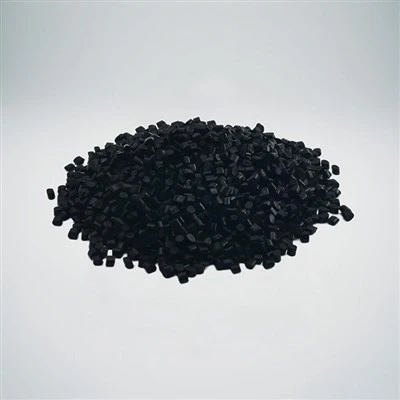
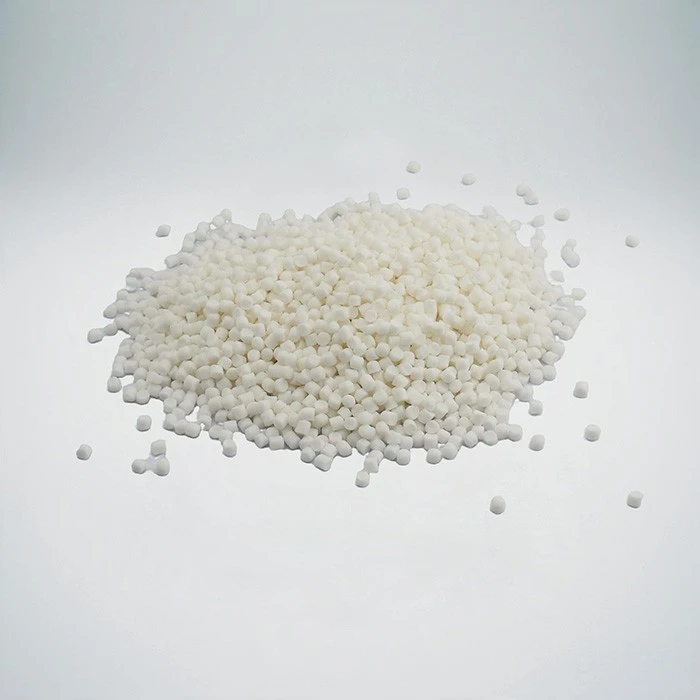
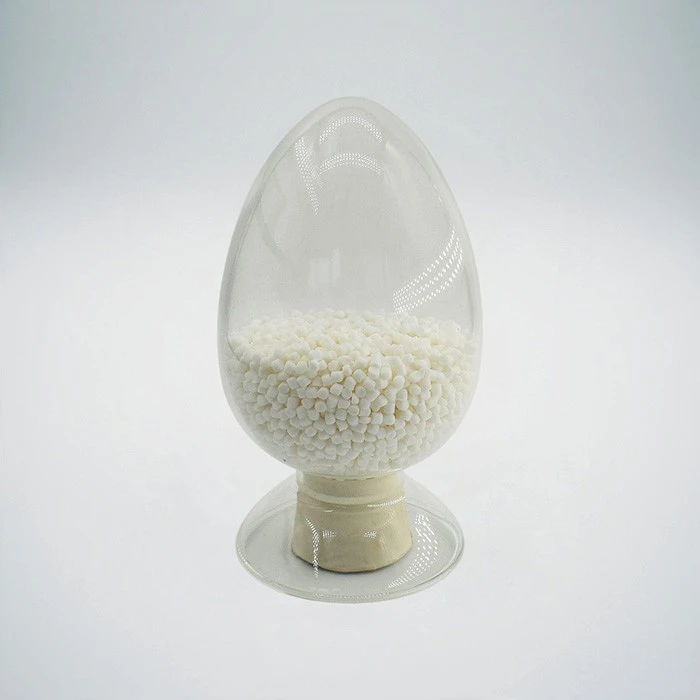
The choice of cable compound is crucial for achieving good adhesion to the cable sheath. As a marine cable compounds supplier, we offer a range of products designed to meet the specific requirements of different marine applications.
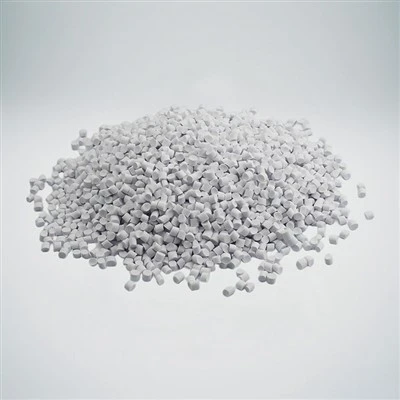
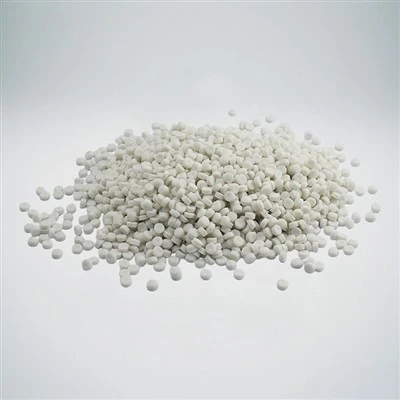
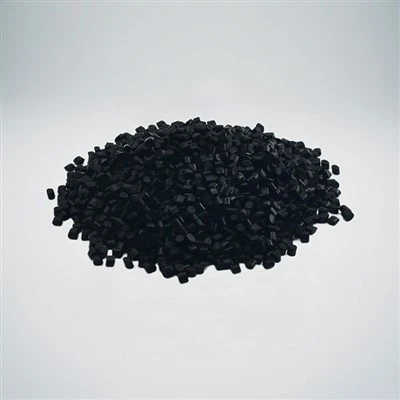
Oil-Resistant LSZH Marine Cable Compound is formulated to provide excellent resistance to oil and other chemicals, making it suitable for use in marine environments where cables may be exposed to oil spills or other contaminants. This compound also has good adhesion properties to a variety of sheath materials, ensuring a reliable bond.
SHF1 LSZH Marine Cable Compound is a low-smoke zero-halogen (LSZH) compound that offers high flame retardancy and low toxicity. It is designed to adhere well to cable sheaths and provides excellent electrical insulation properties.
105°C SHF2 LSZH Marine Cable Compound is specifically formulated for use in high-temperature applications. It can withstand temperatures up to 105°C and maintains good adhesion to the cable sheath even under extreme conditions.
Mold-Resistant LSZH Marine Cable Compound is ideal for marine environments where cables are prone to mold growth. This compound contains additives that prevent the growth of mold and fungi, while also providing good adhesion to the sheath.
Incorporation of Adhesion Promoters
Adhesion promoters are additives that can be incorporated into the cable compound to enhance adhesion to the sheath. These additives work by chemically reacting with the sheath surface or by improving the wetting properties of the compound.
There are several types of adhesion promoters available, including silane coupling agents, titanate coupling agents, and maleic anhydride-grafted polymers. Silane coupling agents are commonly used in cable compounds because they can react with both the inorganic fillers in the compound and the organic polymers in the sheath, forming strong chemical bonds.
The amount of adhesion promoter used in the cable compound should be carefully optimized. Too little promoter may not provide sufficient adhesion, while too much can lead to other problems, such as reduced mechanical properties or increased cost.
Optimization of Processing Conditions
Proper processing conditions are essential for achieving good adhesion between the cable compound and the sheath. The following processing parameters should be carefully controlled:
Temperature: The temperature during cable extrusion or molding should be carefully controlled to ensure that the cable compound flows properly and adheres well to the sheath. The temperature should be high enough to allow the compound to melt and flow, but not so high that it causes degradation of the compound or the sheath.
Pressure: Adequate pressure should be applied during the extrusion or molding process to ensure that the cable compound is in intimate contact with the sheath. This helps to promote adhesion by forcing the compound into the surface irregularities of the sheath.
Curing Time: If the cable compound requires curing, the curing time should be optimized to ensure that the compound fully cures and forms strong bonds with the sheath. Over-curing or under-curing can both lead to poor adhesion.
Quality Control and Testing
To ensure that the adhesion between the cable compound and the sheath is satisfactory, it's important to implement a comprehensive quality control program. This can include the following tests:
Peel Test: A peel test can be used to measure the force required to separate the cable compound from the sheath. This test provides an indication of the adhesion strength between the two materials.
Shear Test: A shear test measures the force required to slide the cable compound along the sheath surface. This test can help to determine the shear strength of the adhesion.
Environmental Testing: Environmental testing, such as salt spray testing or humidity testing, can be used to evaluate the adhesion of the cable compound and the sheath under simulated marine conditions. This helps to ensure that the cable will perform well in the real-world environment.
Conclusion
Enhancing the adhesion of marine cable compounds to cable sheaths is a complex but essential task. By understanding the factors that influence adhesion, properly preparing the sheath surface, selecting the right cable compound, incorporating adhesion promoters, optimizing processing conditions, and implementing a comprehensive quality control program, we can ensure that marine cables have strong and reliable adhesion. As a marine cable compounds supplier, we are committed to providing high-quality products and technical support to help our customers achieve the best results.
If you are interested in our marine cable compounds or have any questions about adhesion enhancement, please feel free to reach out for a procurement discussion. We look forward to working with you to meet your marine cable needs.
References
- ASTM International. “Standard Test Methods for Peel or Stripping Strength of Adhesive Bonds.” ASTM D903 - 17. ASTM International, 2017.
- Lee, L. H. “Adhesion and Adhesives: Science and Technology.” Plenum Press, 1991.
- Schobert, H. H. “Polymers: Structure and Bulk Properties.” CRC Press, 1990.