
|
Grade |
Material Route |
Cable Layer / Role |
Key Positioning |
|
EPC9258-C |
Cross-linked XLPO |
Charging-cable compound / project-specific layer |
Low hardness, good hand feel; 2PfG 1908 / CQC 1103-oriented route |
|
STCE68501 |
TPE |
Insulation |
Flexible TPE insulation; 401% elongation; 25.2 N/mm tear strength |
|
STCE68001 |
TPE |
Sheath / Jacket |
Charging-cable TPE sheath; crack resistance and solvent resistance |
|
STCE69001 |
TPE |
Insulation |
TPE insulation with strong electrical insulation and 550% elongation |
Product Overview
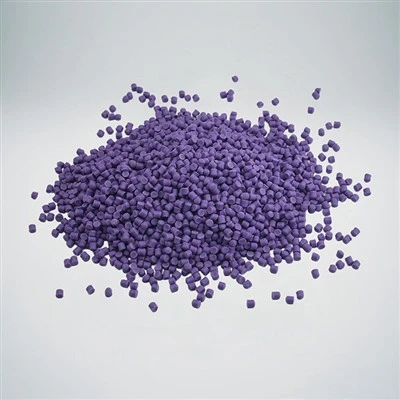
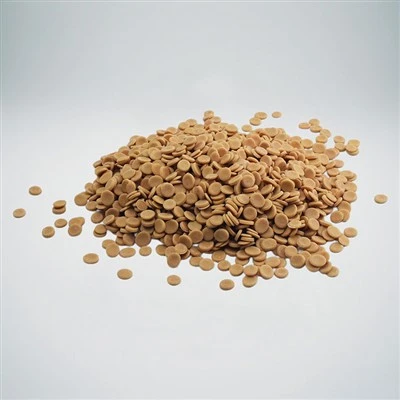
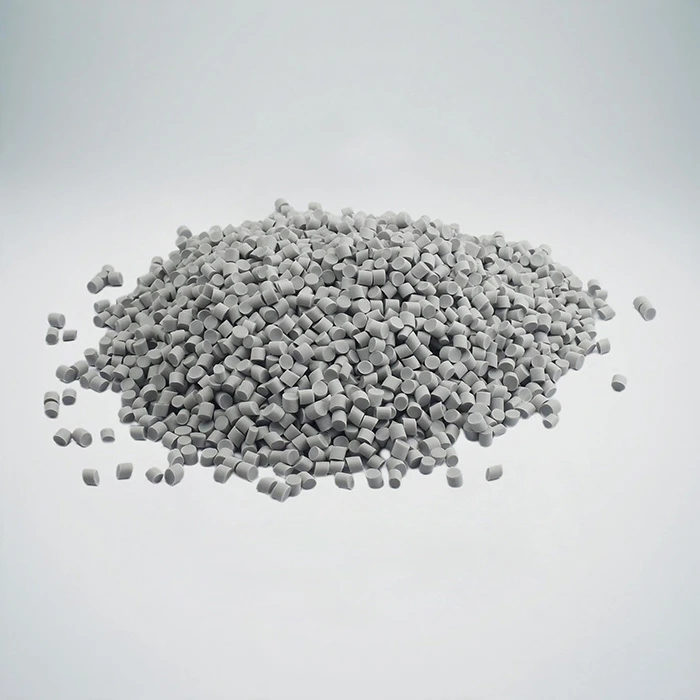
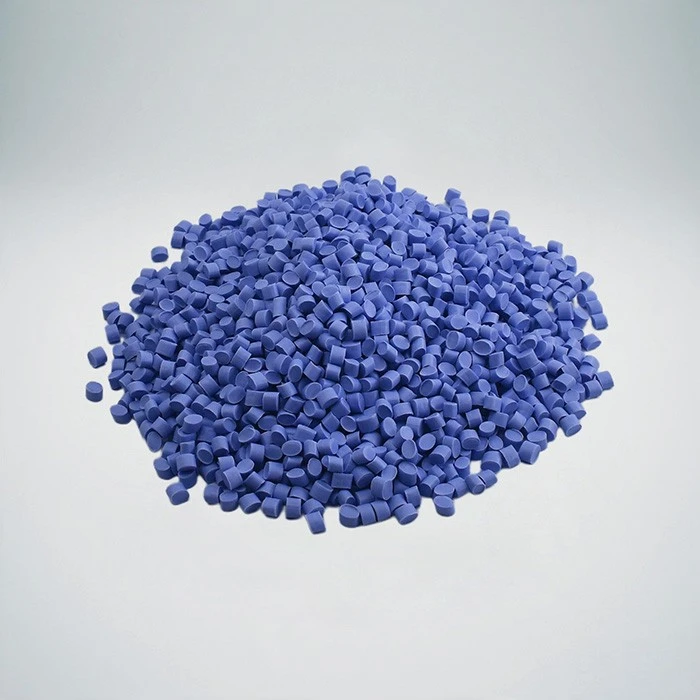
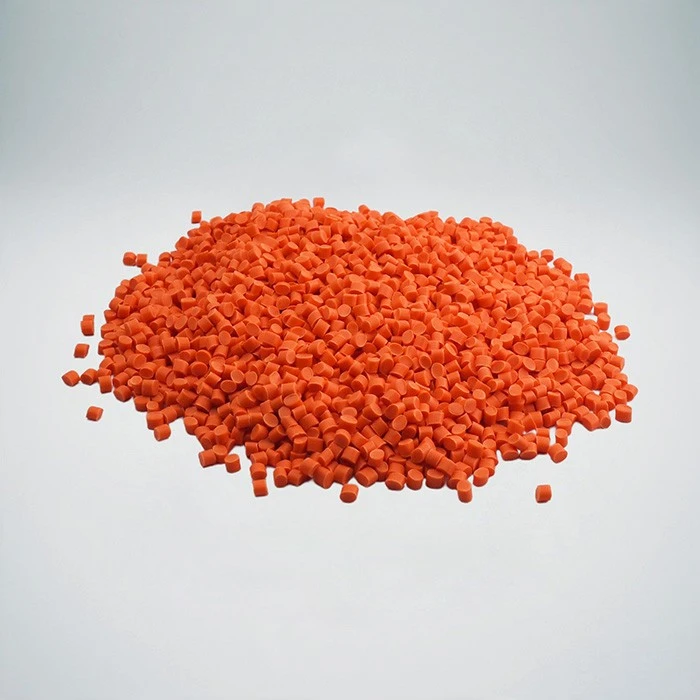
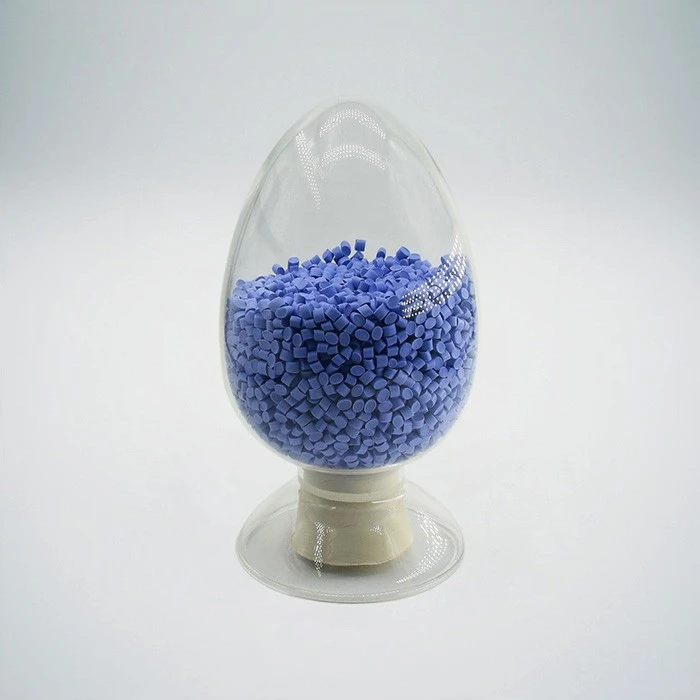
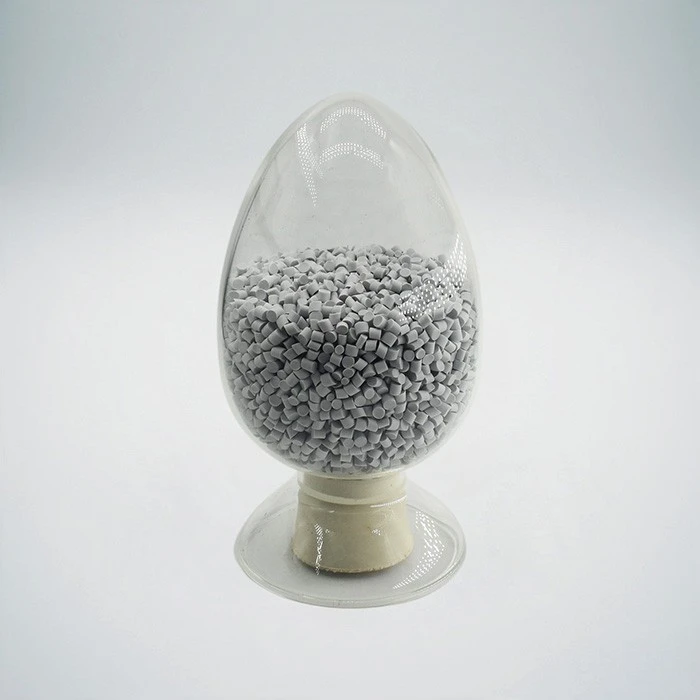
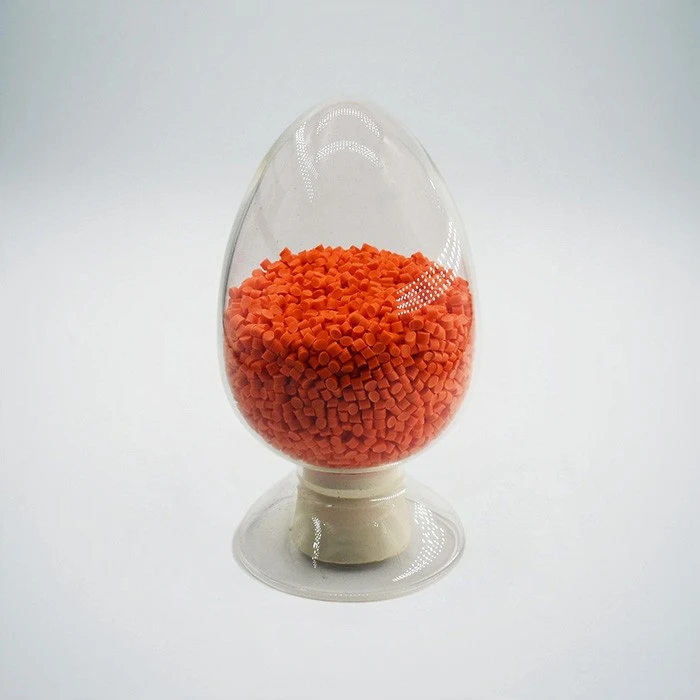
This EV charging cable compound family combines two distinct polymer routes in one application-focused selection page: EPC9258-C is an irradiation-crosslinked XLPO compound for charging-cable applications, while STCE68501, STCE68001 and STCE69001 are thermoplastic TPE grades for insulation or sheathing.
The materials should not be treated as interchangeable. EPC9258-C is selected when a cross-linked XLPO route is preferred; the STCE grades are selected when thermoplastic TPE processing, flexibility and cable-layer function are the main drivers. The TPE family includes dedicated insulation and sheath options, allowing customers to build a clearer material system around the actual charging-cable construction.
Choose by Material Route & Cable Layer
|
Grade |
Material Route |
Cable Layer / Role |
Key Positioning |
|
EPC9258-C |
Cross-linked XLPO |
Charging-cable compound / project-specific layer |
Low hardness, good hand feel; 2PfG 1908 / CQC 1103-oriented route |
|
STCE68501 |
TPE |
Insulation |
Flexible TPE insulation; 401% elongation; 25.2 N/mm tear strength |
|
STCE68001 |
TPE |
Sheath / Jacket |
Charging-cable TPE sheath; crack resistance and solvent resistance |
|
STCE69001 |
TPE |
Insulation |
TPE insulation with strong electrical insulation and 550% elongation |
Series Highlights
- One charging-cable page covering both cross-linked XLPO and thermoplastic TPE material routes
- Clear insulation vs sheath selection for the TPE family
- EPC9258-C provides the irradiation-crosslinked XLPO option
- STCE68501 and STCE69001 provide two TPE insulation choices with different mechanical / electrical profiles
- STCE68001 is the dedicated TPE sheath / jacket grade
- All four grades pass -40°C low-temperature winding in the technical data
- 2PfG 1908 and CQC 1103 are key application references for the charging-cable family
Step 1 - Select the Material Platform
|
Selection Question |
Cross-Linked XLPO - EPC9258-C |
TPE - STCE68501 / 68001 / 69001 |
|
Processing route |
Extrusion + electron-beam irradiation |
Direct thermoplastic extrusion |
|
Main reason to choose |
Cross-linked structure and XLPO performance route |
Flexibility, soft hand feel and thermoplastic processing |
|
Cable-layer selection |
Confirm project construction |
Dedicated insulation and sheath grades available |
|
Best RFQ approach |
Confirm irradiation and finished-cable standard |
Confirm insulation/sheath role, hardness and flexibility |
Step 2 - Select the TPE Cable Layer
|
Need |
Recommended Grade |
Why |
|
TPE insulation |
STCE68501 |
Flexible insulation with 12.9 MPa tensile, 401% elongation and 25.2 N/mm tear strength |
|
TPE insulation with higher elongation / electrical resistivity |
STCE69001 |
14 MPa tensile, 550% elongation and 4.1 × 10^16 Ω·cm volume resistivity |
|
TPE outer sheath / jacket |
STCE68001 |
Dedicated charging-pile cable sheath with crack and solvent resistance positioning |
Where These Materials Are Used
- EV charging-pile cables
- EV charging-gun / charging-connector cable assemblies
- AC / DC charging cable constructions where the selected grade matches the applicable specification
- Flexible charging cables requiring TPE insulation or sheathing
- Cross-linked charging-cable constructions using EPC9258-C
- Indoor and outdoor charging-cable projects subject to final finished-cable validation
Recommended Extrusion Process Temperature
EPC9258-C - Cross-Linked XLPO Technical Data
|
Test Item |
EPC9258-C |
Test Method |
|
Density |
1.38 g/cm³ |
ISO 1183-1 |
|
Melt Index |
9 g/10 min (150°C / 21.6 kg) |
ISO 1133 (b) |
|
Tensile Strength |
13.3 MPa |
IEC 60811-1-1 |
|
Elongation at Break |
210% |
IEC 60811-1-1 |
|
Heat Aging |
158°C × 240 h |
IEC 60811-1-2 |
|
Tensile Strength after Aging |
15.8 MPa |
IEC 60811-1-2 |
|
Elongation after Aging |
177% |
IEC 60811-1-2 |
|
Oxygen Index |
32% |
ISO 4589-2 |
|
Hardness |
Shore A 85 |
ASTM D2240 |
|
Smoke Density - Flaming |
66 |
ASTM E-662 |
|
Smoke Density - Non-Flaming |
189 |
ASTM E-662 |
|
Toxicity Index |
1 |
NES 713 |
|
High-Temperature Pressure |
120°C × 4 h |
IEC 60811-3-1 |
|
Thermal Deformation |
20% |
IEC 60811-3-1 |
|
Low-Temperature Winding @ -40°C |
Pass |
IEC 60811-1-4 |
|
Thermal Shock @ 150°C × 1 h |
No Crack |
- |
|
Halogen Content |
0 ppm |
IEC 60754 |
|
Flame Retardancy |
V0 |
- |
|
pH (min.) |
6.1 |
IEC 60754 |
|
Conductivity (max.) |
0.8 μS/mm |
IEC 60754 |
|
Volume Resistivity |
1.5 × 10¹² Ω·m |
IEC 60093 |
|
Hot Set @ 200°C × 15 min |
55% |
IEC 60811-2-1 |
|
Permanent Deformation |
5% |
IEC 60811-2-1 |
TPE Charging Cable Grades - Technical Data
|
Test Item |
STCE68501 |
STCE68001 |
STCE69001 |
Test Method / Basis |
|
Density |
1.02 g/cm³ |
1.08 g/cm³* |
1.02 g/cm³ |
ISO 1183-1 (68501/68001); ASTM D792 (69001) |
|
Melt Index |
7.6 g/10 min (230°C/10kg) |
8.6 g/10 min (230°C/10kg) |
5.9 g/10 min |
ISO 1133(b) (68501/68001); ASTM D1238 (69001) |
|
Tensile Strength |
12.9 MPa |
12.5 MPa |
14.0 MPa |
IEC 60811-1-1 (68501/68001); ASTM D412 (69001) |
|
Elongation at Break |
401% |
413% |
550% |
IEC 60811-1-1 (68501/68001); ASTM D412 (69001) |
|
Tear Strength |
25.2 N/mm |
25.6 N/mm |
- |
Charging-cable grade data |
|
Heat Aging |
136°C × 168 h |
136°C × 168 h |
136°C × 168 h |
IEC 60811-1-2 (68501/68001); ASTM D573 (69001) |
|
Tensile after Aging |
11.4 MPa |
10.8 MPa |
13.5 MPa |
IEC 60811-1-2 (68501/68001); ASTM D573 (69001) |
|
Elongation after Aging |
365% |
372% |
495% |
IEC 60811-1-2 (68501/68001); ASTM D573 (69001) |
|
Oxygen Index |
26% |
26% |
- |
ISO 4589-2 |
|
Hardness |
Shore A 86 |
Shore A 81 |
Shore A 90 |
ASTM D2240 |
|
High-Temperature Pressure |
90°C × 1 h |
90°C × 1 h |
- |
IEC 60811-3-1 |
|
Thermal Deformation |
32% |
32% |
- |
IEC 60811-3-1 |
|
Low-Temperature Test @ -40°C |
Pass |
Pass |
No Crack |
IEC 60811-1-4 (68501/68001) |
|
Thermal Shock @ 150°C × 1 h |
No Crack |
No Crack |
- |
Charging-cable grade data |
|
Halogen Content |
0 ppm |
0 ppm |
- |
IEC 60754 |
|
Flame Retardancy |
V0 |
V0 |
V1 (4.0 mm) |
Charging-cable data / UL-94 (69001) |
|
Volume Resistivity |
1.2 × 10¹⁴ Ω·m |
3.5 × 10¹⁴ Ω·m |
4.1 × 10¹⁶ Ω·cm |
IEC 60093 |
Grade Performance Highlights
- EPC9258-C: performance profile includes 2PfG 1908 and CQC 1103, lower hardness and good hand feel for EV charging cable applications.
- STCE68501 and STCE68001: performance profile includes 2PfG 1908 and CQC 1103; both are described as lower-density, better-hand-feel alternatives to EPC9258-C for charging cables.
- STCE69001: dedicated insulation positioning, with good heat resistance, excellent electrical insulation and good processability highlighted .
Chemical & Environmental Validation
|
Performance Item |
EPC9258-C |
STCE68501 |
STCE68001 |
Reference |
|
Gasoline resistance |
Finished cable OD change ≤15%; no breakdown after test |
Same family requirement |
Same family requirement |
JASO D618 |
|
Diesel resistance |
Finished cable OD change ≤15%; no breakdown after test |
Same family requirement |
Same family requirement |
JASO D618 |
|
Engine-oil resistance |
Finished cable OD change ≤15%; no breakdown after test |
Same family requirement |
Same family requirement |
JASO D618 |
|
Acid resistance @ 23°C × 168 h |
Pass |
Pass |
Pass |
GB/T 2951.21 |
|
Alkali resistance @ 80°C × 168 h |
Pass |
Pass |
Pass |
GB/T 2951.21 |
|
High-temp resistance @ 175°C × 6 h |
Pass |
- |
- |
JASO D618 |
Processing Routes
EPC9258-C - Cross-Linked XLPO
|
Zone |
1 |
2 |
3 |
4 |
5 |
Neck |
Head |
Mould |
|
Temperature |
100°C |
110°C |
125°C |
135°C |
150°C |
155°C |
160°C |
165°C |
- Can be processed on conventional PVC/PE cable extrusion equipment.
- Recommended irradiation dose: 10–12 MRad.
- Control melt temperature below approximately 165°C and do not exceed 175°C.
- Low-compression screw / head with approximately 1:1–1:2 compression ratio is recommended as a starting point.
STCE TPE Grades - Thermoplastic Route
|
Zone |
1 |
2 |
3 |
4 |
Neck |
Head |
Die |
|
Temperature |
170±10°C |
180±10°C |
190±10°C |
200±10°C |
200±10°C |
190±10°C |
190±10°C |
- No irradiation cross-linking step is required for the TPE grades.
- Actual settings should be optimized according to line speed and cable surface quality.
- Keep the material clean, dry and ventilated during storage and transport.
- If stored for more than three months at <30°C and ≥60% RH, we recommend drying at 80–90°C for at least 2 hours before use.
RFQ & Material Selection
For faster charging-cable material recommendation, please provide:
- Charging-cable type and end application
- Applicable standard: 2PfG 1908, CQC 1103, customer / OEM specification or other
- Preferred material route: cross-linked XLPO, TPE or open to recommendation
- Required cable layer: insulation or sheath / jacket
- Conductor size and complete cable construction
- Insulation and sheath thickness / finished cable OD
- Required flexibility, hardness and hand feel
- Heat-aging and low-temperature requirements
- Oil, acid, alkali and solvent-resistance requirements
- Extrusion equipment; irradiation equipment if XLPO is selected
- Required color
- Trial quantity and estimated annual demand
Fast Selection Shortcut
|
Requirement |
Recommended Grade |
|
Cross-linked XLPO charging-cable route |
EPC9258-C |
|
Flexible TPE insulation |
STCE68501 |
|
TPE insulation with 550% elongation / stronger electrical-resistivity data |
STCE69001 |
|
Flexible TPE sheath / jacket |
STCE68001 |
|
Not sure between XLPO and TPE |
Send cable standard + construction + flexibility target for technical evaluation |
FAQ
1. Which grade is the cross-linked XLPO option?
EPC9258-C. It requires extrusion followed by electron-beam irradiation.
2. Which grades are TPE?
STCE68501, STCE68001 and STCE69001 are thermoplastic TPE grades.
3. Which TPE grade is used for sheathing?
STCE68001 is the dedicated charging-cable TPE sheath / jacket grade.
4. Which TPE grades are used for insulation?
STCE68501 and STCE69001 are positioned as charging-cable TPE insulation options.
5. What is the difference between STCE68501 and STCE69001?
Both are insulation grades, but STCE69001 has 550% elongation and very high volume-resistivity data ; STCE68501 has detailed tear-strength, oxygen-index and charging-cable family data.
6. Which standards are referenced for the charging-cable family?
The charging-cable material family is designed for cable constructions targeting 2PfG 1908 and CQC 1103 requirements.
7. Do TPE grades require irradiation?
No. They are thermoplastic materials and use a direct extrusion route.
8. Does EPC9258-C require irradiation?
Yes. We recommend 10–12 MRad as the irradiation dose.
9. Can free samples be supplied?
Yes. Samples can be used for extrusion, irradiation where applicable, and finished-cable validation.
Hot Tags: ev charging cable compound, China ev charging cable compound manufacturers, suppliers, factory, automotive and ev cable compounds, crosslinked XLPO charging cable compound, electric vehicle cable insulation compound, EV charging cable compounds, halogen free automotive wire material, JASO D611 cable compound