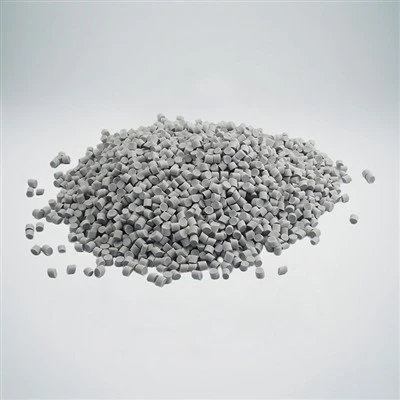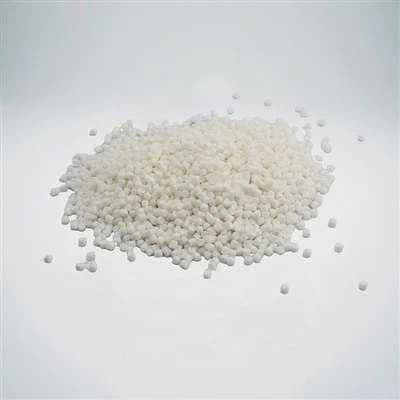

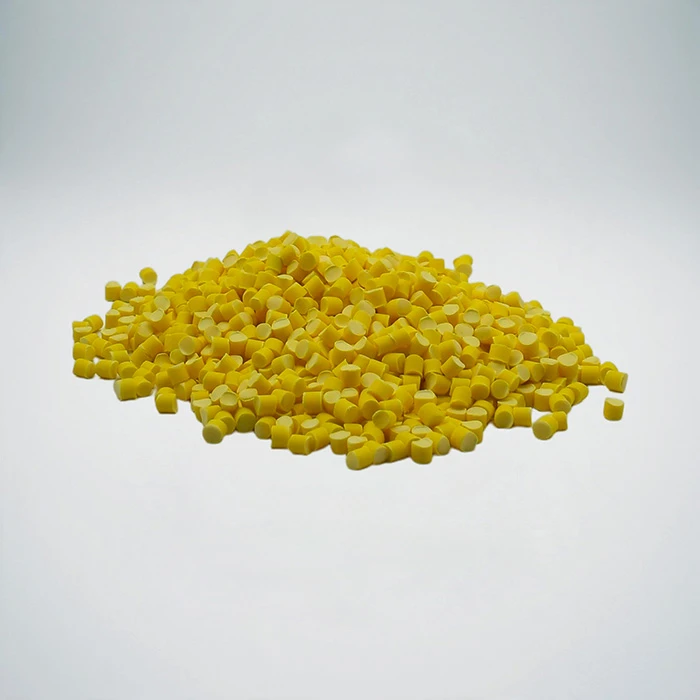
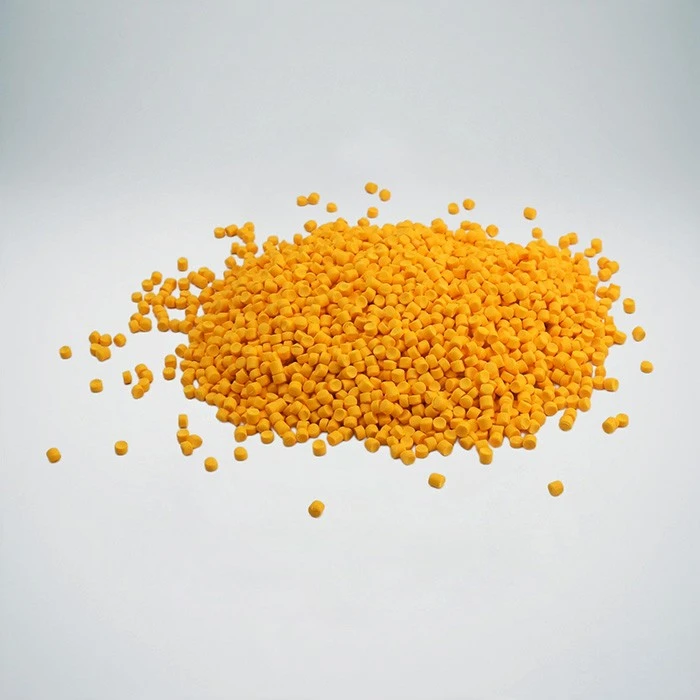
Product Overview
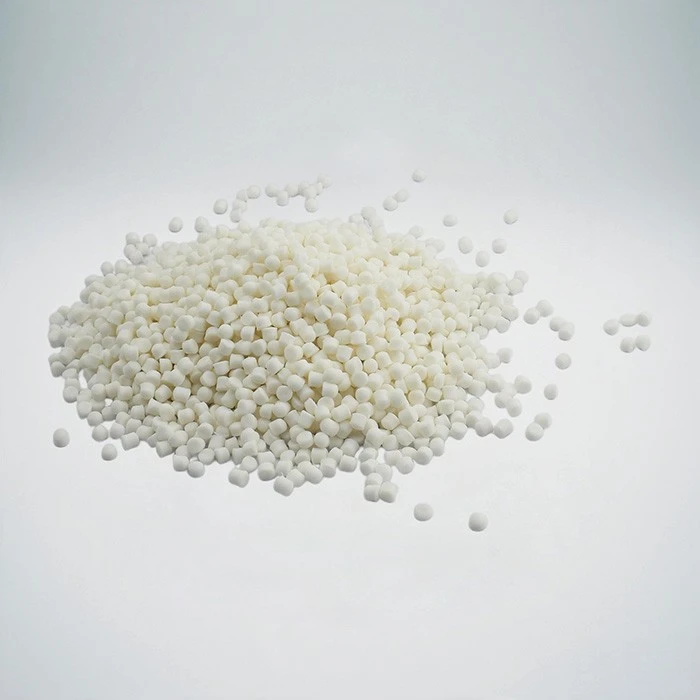
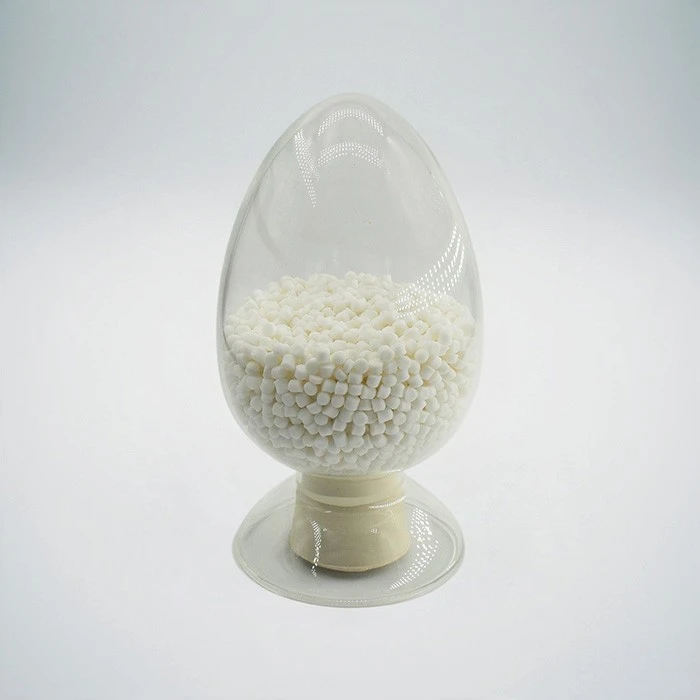
The EPC9007 / EPC9257 / EPC9507 series is an irradiation-crosslinked, halogen-free automotive wire material platform developed for low-voltage in-vehicle wiring. The three grades share the same application route while providing clear temperature-class choices: EPC9007 for 100°C, EPC9257 for 125°C and EPC9507 for 150°C wire constructions.
The series is designed for automotive wire applications evaluated around JASO D611 and ISO 6722 requirements. Rather than treating the three grades as separate, highly repetitive products, this page allows cable manufacturers to select the appropriate material primarily by required temperature class, then compare mechanical, thermal, electrical and fluid-resistance data.
Choose the Right Automotive Grade
|
Grade |
Temperature Positioning |
Key Mechanical Data |
Core Selection Logic |
|
EPC9007 |
100°C |
13.1 MPa / 210% |
Standard-temperature low-voltage automotive wire |
|
EPC9257 |
125°C |
16.3 MPa / 250% |
Higher-temperature automotive wire with strong tensile performance |
|
EPC9507 |
150°C |
15.7 MPa / 255% |
High-temperature low-voltage automotive wire |
Series Highlights
- Three temperature classes in one low-voltage automotive wire material platform: 100°C, 125°C and 150°C
- Designed around JASO D611 and ISO 6722 automotive wire requirements
- Irradiation cross-linking after extrusion; recommended dose 10–12 MRad
- Halogen content reported as 0 ppm for all three grades
- All three grades pass -40°C low-temperature winding in the supplied data
- Automotive fluid-resistance data include gasoline, diesel, engine oil, power-steering fluid and gear oil exposure
- Temperature-based selection reduces overlap and makes customer RFQs easier to qualify
Temperature-Based Selection Guide
|
Project Requirement |
Recommended Grade |
Why |
|
100°C automotive low-voltage wire |
EPC9007 |
Balanced baseline grade for 100°C-class constructions |
|
125°C automotive low-voltage wire |
EPC9257 |
125°C route with 16.3 MPa tensile strength and 250% elongation |
|
150°C automotive low-voltage wire |
EPC9507 |
150°C route for higher thermal demand |
|
Not sure which grade |
Confirm finished-wire temperature class first |
Temperature requirement should be the first selection filter |
Where These Grades Are Used
- Low-voltage automotive primary wire
- Vehicle body wiring harnesses
- Instrument-panel and interior wiring
- Lighting and signal circuits
- Electrical and electronic control wiring
- Automotive auxiliary circuits
- Other in-vehicle low-voltage wire constructions requiring JASO D611 / ISO 6722-oriented performance
Application Boundary
EPC9007, EPC9257 and EPC9507 are positioned for low-voltage automotive wire. They should be kept separate from the EV high-voltage cable family, where materials such as EPC9508 and other dedicated EV high-voltage grades are selected according to different cable constructions and requirements.
Technical Data
|
Test Item |
EPC9007 |
EPC9257 |
EPC9507 |
Method |
|
Density (g/cm³) |
1.47 |
1.41 |
1.41 |
ISO 1183-1 |
|
Tensile Strength (MPa) |
13.1 |
16.3 |
15.7 |
IEC 60811 |
|
Elongation at Break (%) |
210 |
250 |
255 |
IEC 60811 |
|
Short-Term Aging |
125°C × 240 h Pass |
150°C × 240 h Pass |
175°C × 240 h Pass |
ISO 6722 |
|
Long-Term Aging |
100°C × 3000 h Pass |
125°C × 3000 h Pass |
150°C × 3000 h Pass |
ISO 6722 |
|
Thermal Overload |
150°C × 6 h Pass |
175°C × 6 h Pass |
200°C × 6 h Pass |
ISO 6722 |
|
Oxygen Index (%) |
32 |
28 |
28 |
ISO 4589-2 |
|
Hardness (Shore D) |
58 |
63 |
63 |
ISO R868 |
|
Smoke Density - Flaming |
68 |
64 |
72 |
ASTM E-662 |
|
Smoke Density - Non-Flaming |
189 |
171 |
177 |
ASTM E-662 |
|
High-Temp Pressure |
100°C × 4 h |
125°C × 4 h |
150°C × 4 h |
ISO 6722 |
|
Thermal Deformation (%) |
5 |
5 |
15 |
ISO 6722 |
|
Low-Temp Winding @ -40°C |
Pass |
Pass |
Pass |
ISO 6722 |
|
Halogen Content (ppm) |
0 |
0 |
0 |
IEC 60754 |
|
pH (min.) |
6.1 |
6.3 |
6.0 |
IEC 60754 |
|
Conductivity max. (μS/mm) |
0.9 |
1.1 |
1.2 |
IEC 60754 |
|
Volume Resistivity (Ω·m) |
1.3 × 10¹² |
1.5 × 10¹² |
1.6 × 10¹² |
IEC 60093 |
|
Hot Set @ 200°C × 15 min (%) |
35 |
35 |
55 |
IEC 60811 |
|
Permanent Deformation (%) |
5 |
5 |
5 |
IEC 60811 |
|
Gasoline Immersion - change (%) |
11 |
13 |
13 |
ISO 6722 |
|
Diesel Immersion - change (%) |
12 |
11 |
12 |
ISO 6722 |
|
Engine Oil Immersion - change (%) |
11 |
13 |
13 |
ISO 6722 |
|
Power Steering Fluid - change (%) |
25 |
23 |
26 |
ISO 6722 |
|
Gear Oil Immersion - change (%) |
21 |
24 |
22 |
ISO 6722 |
|
90°C Battery Fluid Resistance |
Pass |
Pass |
Pass |
ISO 6722 |
How to Read the Differences
|
Selection Factor |
EPC9007 |
EPC9257 |
EPC9507 |
|
Temperature Class |
100°C |
125°C |
150°C |
|
Tensile Strength |
13.1 MPa |
16.3 MPa |
15.7 MPa |
|
Elongation |
210% |
250% |
255% |
|
Long-Term Aging |
100°C × 3000 h |
125°C × 3000 h |
150°C × 3000 h |
|
Thermal Overload |
150°C × 6 h |
175°C × 6 h |
200°C × 6 h |
|
Main Position |
Standard temp |
Mid/high temp |
High temp |
Recommended Extrusion & Irradiation Conditions
|
Zone |
1 |
2 |
3 |
4 |
5 |
Neck |
Head |
Mould |
|
Temperature |
100°C |
140°C |
155°C |
160°C |
165°C |
165°C |
170°C |
175°C |
Processing Guidelines
- All three grades can be processed on conventional PVC/PE cable extrusion equipment.
- Recommended electron-beam irradiation dose: 10–12 MRad.
- Control melt temperature below approximately 165°C and do not exceed 175°C.
- A low-compression screw and head are recommended, with a compression ratio of approximately 1:1–1:2.
- Optimize extrusion temperature, line speed, insulation thickness and irradiation dose according to the actual conductor and finished-wire construction.
- Final JASO D611 / ISO 6722 compliance must be validated on the complete finished automotive wire.
Storage, Drying & Coloring
- With intact sealed packaging, special drying is normally not required.
- After extended storage in a humid environment, dry at approximately 70°C for 4 hours in a dehumidifying dryer.
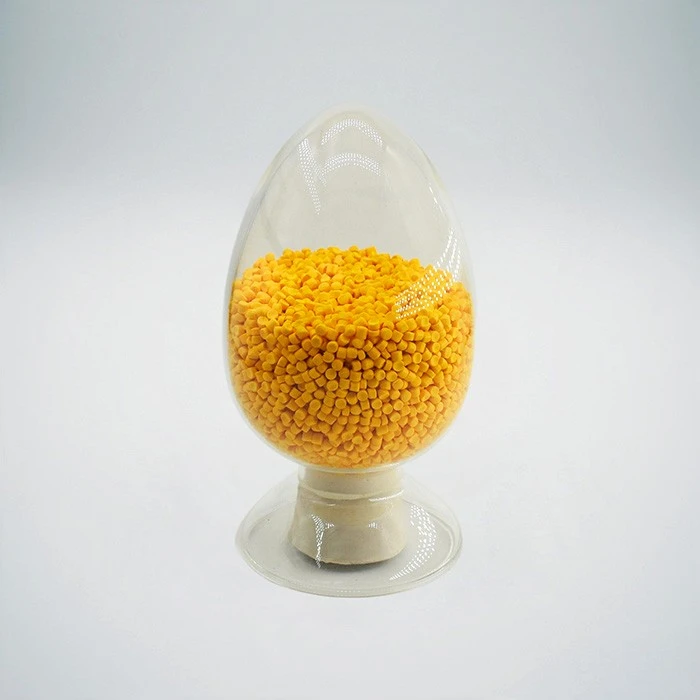
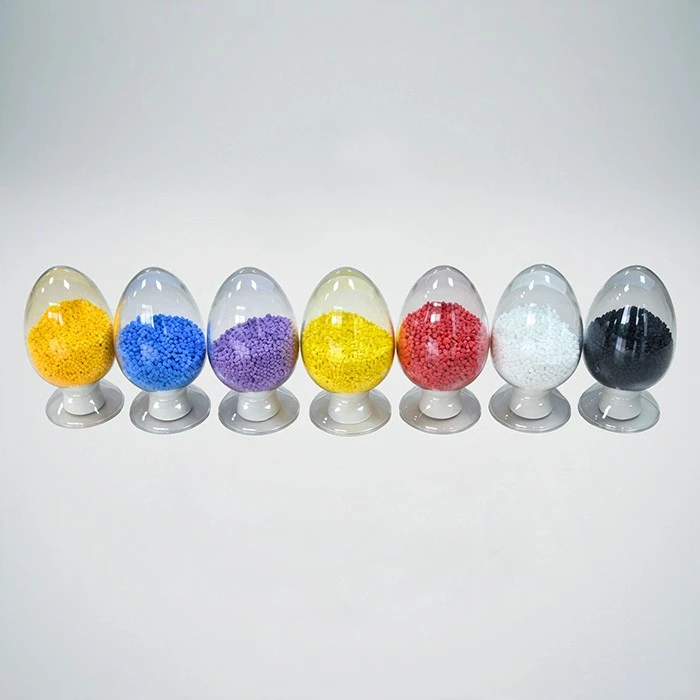
- Natural-color compounds can be colored; matching color masterbatch solutions can be supplied.
- Final material suitability should be evaluated on the customer's actual finished-wire construction.
Standards & Validation Route
The supplied product catalogue states that EPC9007, EPC9257 and EPC9507 meet the JASO D611 and ISO 6722 application route and are used for environmentally friendly low-voltage in-vehicle wiring. The listed mechanical properties are measured after irradiation.
Important Compliance Note
JASO D611 and ISO 6722 are finished-wire / automotive-wire requirements. Raw compound selection alone does not guarantee finished-wire compliance. Conductor construction, insulation thickness, extrusion quality, irradiation conditions and final wire testing must all be considered.
RFQ: Information That Helps Us Recommend Faster
- Target finished-wire temperature class: 100°C, 125°C or 150°C
- Applicable standard / customer specification: JASO D611, ISO 6722 or OEM specification
- Conductor size and conductor construction
- Insulation thickness and finished wire OD
- Required mechanical and thermal-aging performance
- Required fluid / oil / chemical resistance
- Required low-temperature performance
- Extrusion equipment and line speed
- Electron-beam irradiation equipment / dose window
- Required color, trial quantity and estimated annual demand
FAQ
1. What is the difference between EPC9007, EPC9257 and EPC9507?
The primary difference is temperature positioning: EPC9007 is the 100°C grade, EPC9257 the 125°C grade and EPC9507 the 150°C grade.
2. Are these materials for EV high-voltage cables?
They are positioned for low-voltage automotive wire. Dedicated EV high-voltage cable compounds should be selected separately.
3. Which standards are referenced for this series?
The supplied catalogue references JASO D611 and ISO 6722.
4. Do the grades require irradiation?
Yes. Electron-beam irradiation is applied after extrusion; 10–12 MRad is the recommended starting dose.
5. Which grade has the highest tensile strength?
In the supplied typical data, EPC9257 has the highest tensile strength at 16.3 MPa.
6. Which grade should I use for a 150°C automotive wire?
EPC9507 is the dedicated 150°C option in this three-grade low-voltage series.
7. Do all three grades contain zero halogen in the supplied data?
Yes. The supplied table reports halogen content of 0 ppm for EPC9007, EPC9257 and EPC9507.
8. What low-temperature data are available?
All three grades pass the -40°C low-temperature winding test in the supplied data.
9. Are automotive-fluid resistance data available?
Yes. The catalogue includes gasoline, diesel, engine oil, power-steering fluid, gear oil and battery-fluid resistance data.
10. Can samples be supplied?
Yes. Samples can be supplied for extrusion, irradiation and finished-wire validation.
Hot Tags: automotive low-voltage wire compound, China automotive low-voltage wire compound manufacturers, suppliers, factory, automotive high voltage cable compound, crosslinked XLPO charging cable compound, electric vehicle cable insulation compound, EV charging cable material, high temperature automotive XLPO compound, JASO D611 cable compound