
|
Item |
STCE59801 |
|
Material |
Thermoplastic flame-retardant TPE |
|
Applications |
Electronic wires; in-vehicle high-voltage wires |
|
Processing |
Thermoplastic extrusion; no E-beam irradiation |
|
Density |
1.03 g/cm³ |
|
Tensile / Elongation |
15.8 MPa / 320% |
|
Hardness |
Shore A 98 |
|
Electrical |
Volume resistivity 2.5 × 10¹⁶ Ω·cm |
|
Flame Performance |
UL 94 V-0 at 4.0 mm |
|
Temperature Tests |
130°C heat impact: no crack; -40°C impact: no crack |
Product Overview
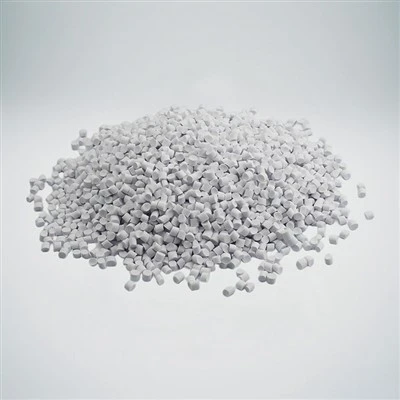
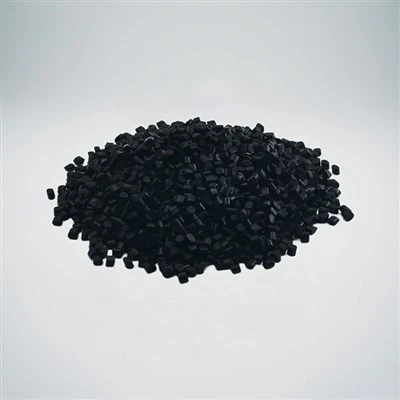
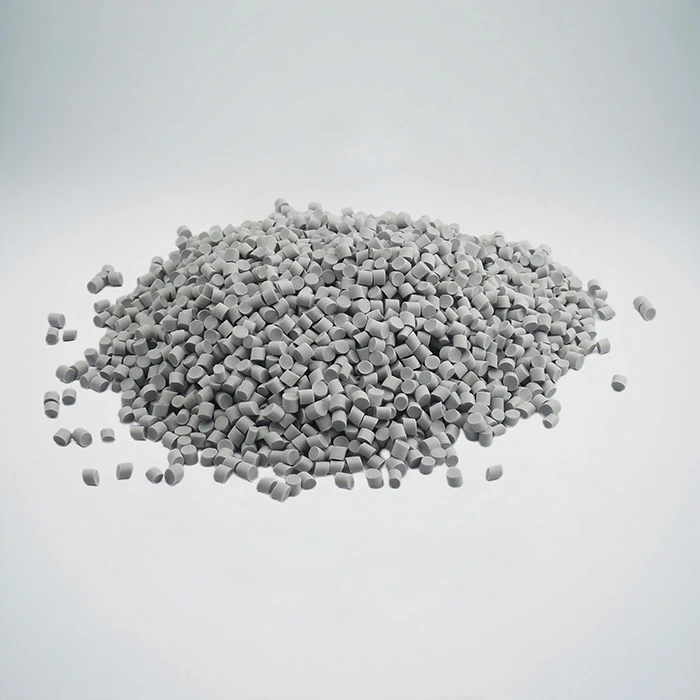
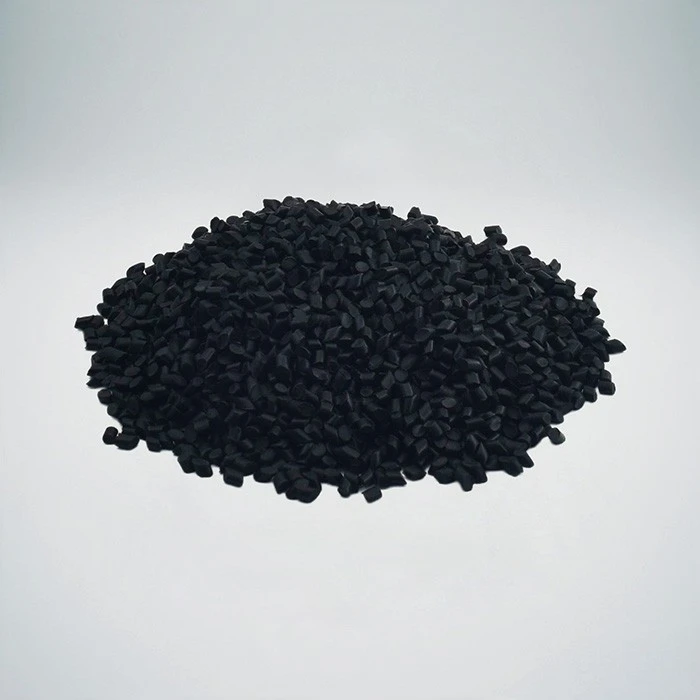
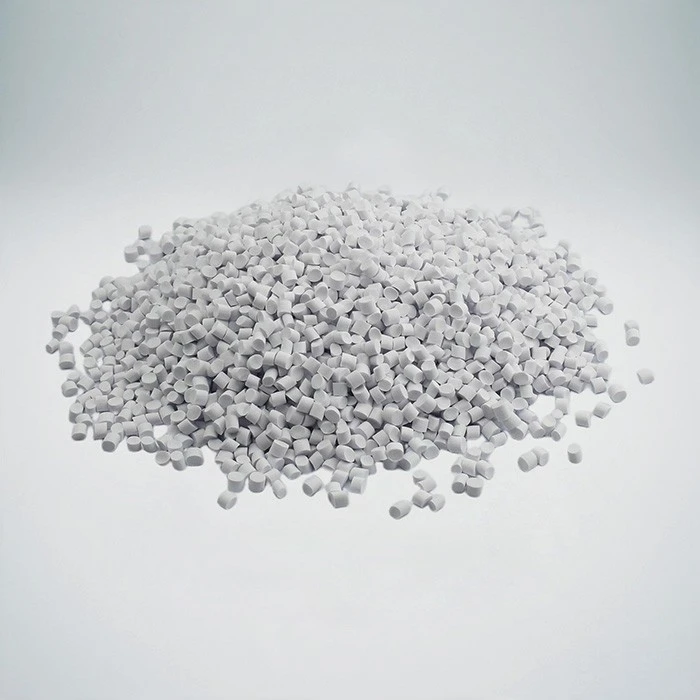
STCE59801 is a thermoplastic flame-retardant TPE cable compound developed for electronic wires and in-vehicle high-voltage wires. It combines high-temperature performance, strong electrical insulation and good mechanical properties with a thermoplastic processing route that does not require irradiation.
For EV high-voltage projects, STCE59801 provides a distinct alternative to Opta's irradiation-crosslinked XLPO grades EPC9258-H and EPC9508. Selection should be based on the required cable standard, temperature class, electrical performance, environmental resistance and processing route-not on the high-voltage application alone.
Why Choose STCE59801?
1. Thermoplastic TPE Route
No post-extrusion E-beam irradiation is required, simplifying the processing route where thermoplastic TPE is preferred.
2. Strong Electrical Insulation
Typical volume resistivity is 2.5 × 10¹⁶ Ω·cm, supporting electrical-insulation-focused wire constructions.
3. High Mechanical Performance
Typical tensile strength is 15.8 MPa with 320% elongation at break.
4. Flame-Retardant Material Performance
The supplied technical data lists UL 94 V-0 at a 4.0 mm specimen thickness.
5. Heat & Low-Temperature Impact
No cracking is recorded in the 130°C heat-impact test or the -40°C low-temperature impact test.
6. Low Density
Typical density is 1.03 g/cm³, offering a comparatively lightweight thermoplastic material route.
Typical Applications
- In-vehicle EV high-voltage wire constructions
- Electronic wires requiring flame-retardant TPE
- High-temperature wire applications
- Thermoplastic high-voltage cable material route
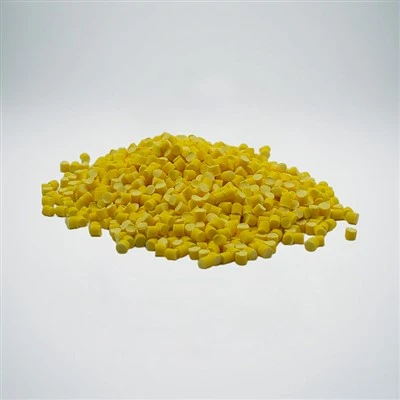
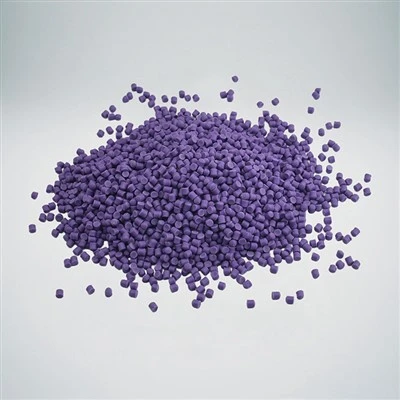
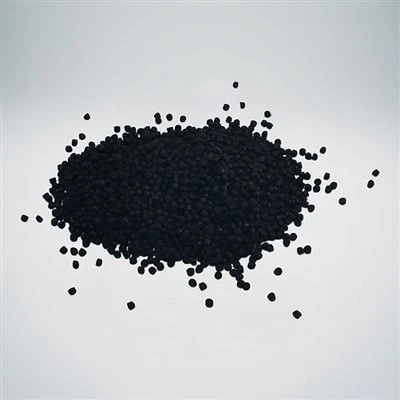
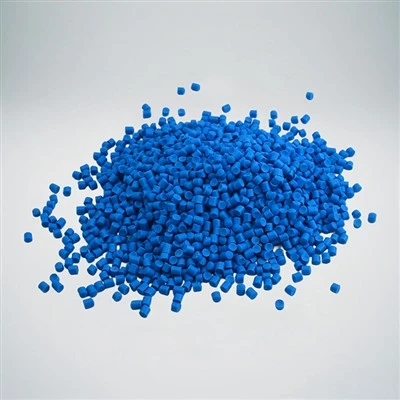
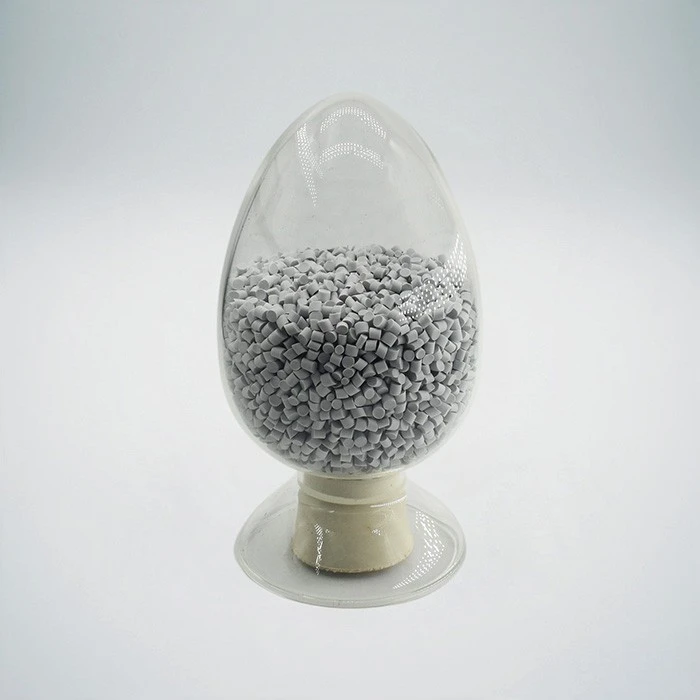
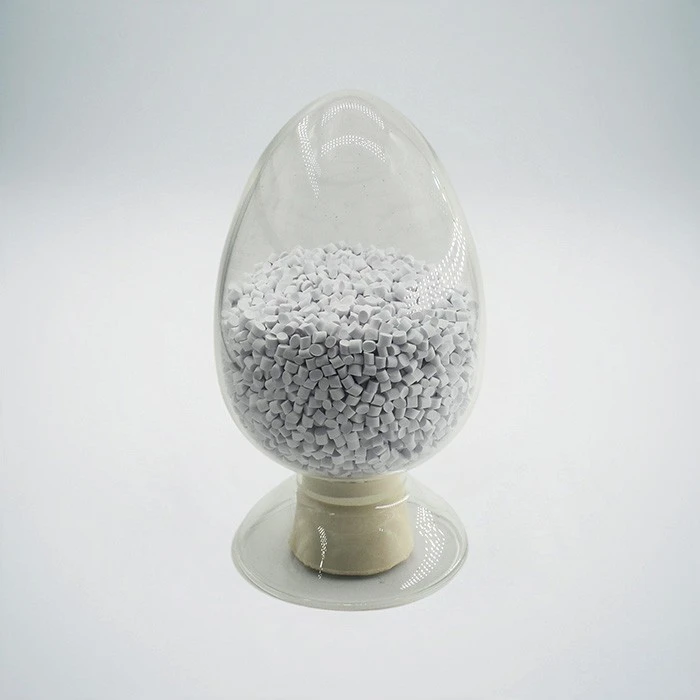
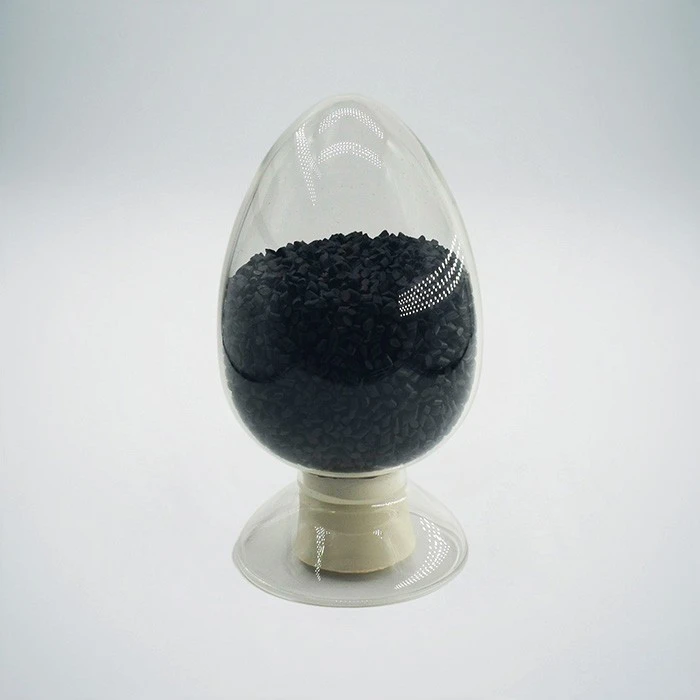
- Customized TPE cable designs requiring color or formulation matching
Important Application Note
STCE59801 is positioned by the supplied catalogue for in-vehicle high-voltage wires, but the available STCE59801 data does not assign a specific ISO 6722 / ISO 19642 automotive temperature class. The finished cable and applicable OEM/automotive standard must therefore be confirmed project by project.
Recommended Extrusion Process Temperature
|
Test Item |
Typical Value |
Test Method |
|
Density |
1.03 g/cm³ |
ASTM D792 |
|
Melt Index |
1.8 g/10 min |
ASTM D1238 |
|
Tensile Strength |
15.8 MPa |
ASTM D412 |
|
Elongation at Break |
320% |
ASTM D412 |
|
Heat Impact @ 130°C |
No crack |
IEC 60811-3-1 |
|
Low-Temperature Impact @ -40°C |
No crack |
IEC 60811-1-4 |
|
Heat Aging |
136°C × 168 h |
ASTM D573 |
|
Tensile after Aging |
16.0 MPa |
ASTM D573 |
|
Elongation after Aging |
310% |
ASTM D573 |
|
Flammability @ 4.0 mm |
UL 94 V-0 |
UL 94 |
|
Hardness |
Shore A 98 |
ASTM D2240 |
|
Volume Resistivity |
2.5 × 10¹⁶ Ω·cm |
IEC 60093 |
Performance Interpretation
|
Performance Area |
STCE59801 Positioning |
|
Processing |
Thermoplastic extrusion; no irradiation |
|
Electrical insulation |
2.5 × 10¹⁶ Ω·cm volume resistivity |
|
Mechanical flexibility |
320% elongation |
|
Flame performance |
UL 94 V-0 at 4.0 mm |
|
Heat impact |
130°C: no crack |
|
Low temperature |
-40°C impact: no crack |
|
Aging |
136°C × 168 h; 310% elongation after aging |
Recommended Extrusion Conditions
|
Zone |
Zone 1 |
Zone 2 |
Zone 3 |
Zone 4 |
Neck |
Head |
Die |
|
Temperature |
170±10°C |
180±10°C |
190±10°C |
200±10°C |
200±10°C |
190±10°C |
190±10°C |
Processing Guidelines
- Use the supplied temperature profile as the starting point and adjust according to extrusion speed and finished-surface quality.
- STCE59801 is thermoplastic TPE; no electron-beam irradiation step is required after extrusion.
- Confirm screw, die, conductor construction and line speed on the actual production equipment.
- For automotive high-voltage projects, validate the complete cable against the applicable OEM and cable-standard requirements.
- Color and formulation matching can be discussed for qualified projects.
How to Choose Among Opta's In-Vehicle High-Voltage Materials
|
Grade |
Material Route |
Temperature / Standard Positioning |
Key Strengths |
|
STCE59801 |
Thermoplastic flame-retardant TPE |
High-temperature TPE; project automotive class to confirm |
No irradiation; electrical insulation; 15.8 MPa / 320%; UL 94 V-0 @ 4.0 mm |
|
EPC9258-H |
Irradiation-crosslinked LSZH / HFFR polyolefin |
125°C / ISO 6722 Class C |
Abrasion + oil/electrolyte resistance; -40°C bending |
|
EPC9508 |
Irradiation-crosslinked XLPO elastomer |
150°C / ISO 19642-5 Class D |
150°C thermal class + elastomeric flexibility |
STCE59801 vs. EPC9258-H
|
Selection Point |
STCE59801 |
EPC9258-H |
|
Route |
Thermoplastic TPE |
E-beam crosslinked XLPO/HFFR |
|
Automotive Positioning |
In-vehicle high-voltage wire; project class to confirm |
125°C / ISO 6722 Class C |
|
Crosslinking |
Not required |
10–12 MRad |
|
Main Strength |
Electrical insulation + TPE processing |
Abrasion + oil + electrolyte resistance |
|
Mechanical |
15.8 MPa / 320% |
Flexible crosslinked automotive grade |
|
Choose When |
TPE / no-irradiation route is preferred |
125°C Class C + environmental resistance is required |
STCE59801 vs. EPC9508
|
Selection Point |
STCE59801 |
EPC9508 |
|
Route |
Thermoplastic TPE |
Irradiation-crosslinked XLPO elastomer |
|
Temperature / Standard |
High-temperature TPE; project class to confirm |
150°C / ISO 19642-5 Class D |
|
Crosslinking |
Not required |
Required |
|
Key Focus |
Electrical insulation + flame-retardant TPE |
150°C high-voltage + elastomeric flexibility |
|
Choose When |
Thermoplastic processing is a priority |
Defined 150°C Class D route is required |
Selection Shortcut
- Choose STCE59801 when the customer wants a thermoplastic TPE high-voltage-wire route without irradiation and values electrical insulation performance.
- Choose EPC9258-H for a 125°C ISO 6722 Class C-oriented crosslinked route with abrasion, oil and battery-electrolyte resistance.
- Choose EPC9508 for a 150°C ISO 19642-5 Class D crosslinked high-voltage route with elastomeric flexibility.
- Always validate the selected material on the actual finished cable and against the customer's OEM specification.
Free Sample & Technical Support
For faster material selection and RFQ evaluation, please provide:
- Target cable standard / OEM specification
- System voltage and required temperature class
- Cable layer and conductor size
- Wall thickness / finished cable OD
- Flexibility and bending requirement
- Abrasion, oil, electrolyte or automotive-fluid exposure
- Flame-retardant requirement
- Whether E-beam irradiation is available or a thermoplastic route is preferred
- Required color
- Trial quantity and estimated production volume
FAQ
Q: What is STCE59801?
A: A thermoplastic flame-retardant TPE compound for electronic wires and in-vehicle high-voltage wires.
Q: Does STCE59801 require irradiation?
A: No. It uses a thermoplastic extrusion route without post-extrusion E-beam crosslinking.
Q: Is STCE59801 a 125°C or 150°C automotive grade?
A: The supplied STCE59801 data describes high-temperature performance but does not assign a specific ISO automotive temperature class. Confirm the project standard and finished-cable requirement.
Q: What flame performance is reported?
A: UL 94 V-0 at a specimen thickness of 4.0 mm.
Q: What are its key mechanical values?
A: Typical tensile strength is 15.8 MPa and elongation at break is 320%.
Q: What is its electrical insulation performance?
A: Typical volume resistivity is 2.5 × 10¹⁶ Ω·cm.
Q: How does it differ from EPC9258-H?
A: STCE59801 is thermoplastic TPE without irradiation; EPC9258-H is a 125°C ISO 6722 Class C-oriented irradiation-crosslinked grade emphasizing abrasion, oil and electrolyte resistance.
Q: How does it differ from EPC9508?
A: STCE59801 is a thermoplastic TPE route; EPC9508 is a 150°C ISO 19642-5 Class D irradiation-crosslinked XLPO elastomer route.
Q: Can the color or formulation be customized?
A: Yes. Color matching, formulation discussion and processing support are available for qualified projects.
Q: Can I request a sample?
A: Yes. Sample evaluation is recommended on the actual high-voltage cable construction.
Need a Electronic and HV TPE Cable Compound?
Send us your cable standard, voltage, temperature class, conductor size, wall thickness, environmental requirements and preferred processing route.
Hot Tags: electronic and hv tpe cable compound, China electronic and hv tpe cable compound manufacturers, suppliers, factory, Electronic and Data Wire TPE Compound, Electronic and HV TPE Cable Compound, high temperature TPE automotive wire compound