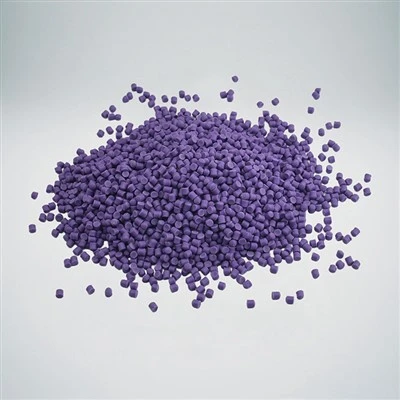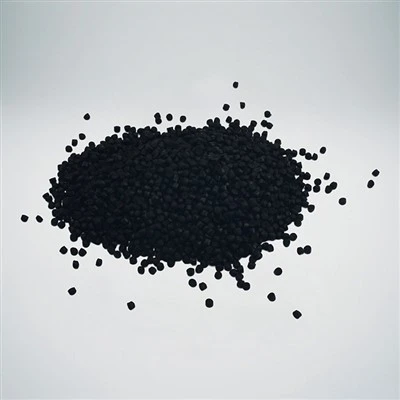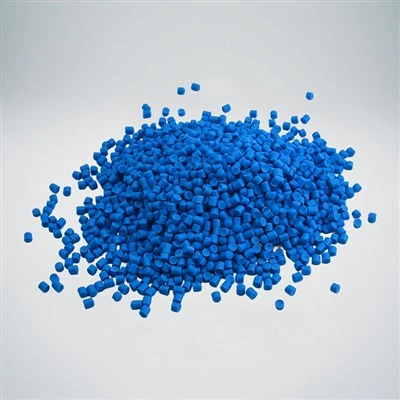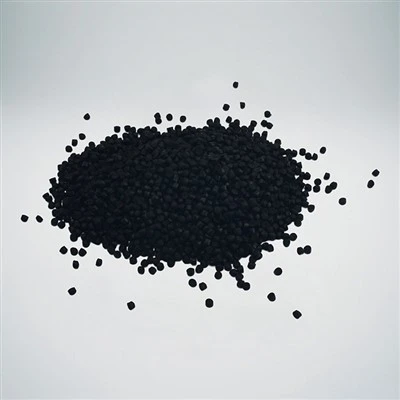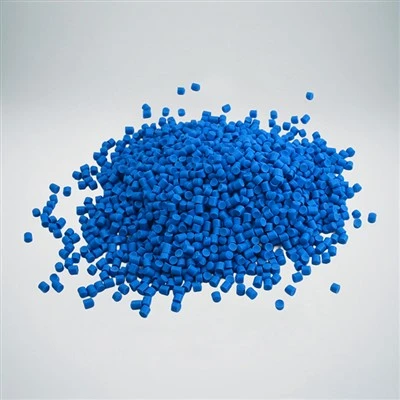

TPE compounds for wires and cables are primarily processed via extrusion. In this process, granular raw materials are heated to a molten state and extruded by a screw to form a continuous tubular structure, which is then cooled and set into the final product.
Compared to traditional materials, TPE compounds offer significant improvements in both performance and environmental safety. Mechanically, their high elasticity and impact resistance reduce the risk of cable breakage, making them particularly suitable for applications involving frequent bending; their solvent resistance ensures stability against swelling or deformation when exposed to cleaning agents such as alcohol. From an environmental perspective, TPE materials are REACH-compliant and free from harmful substances like phthalates and polycyclic aromatic hydrocarbons (PAHs); they produce minimal smoke and non-toxic gases during combustion, meeting the stringent material safety standards of the electronics and automotive industries. Furthermore, the granular form facilitates transport and storage, while bagged packaging minimizes dust pollution and enhances safety in the production environment.