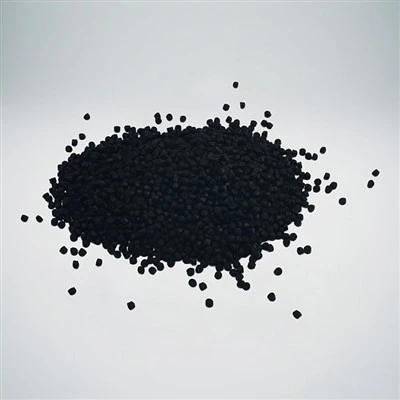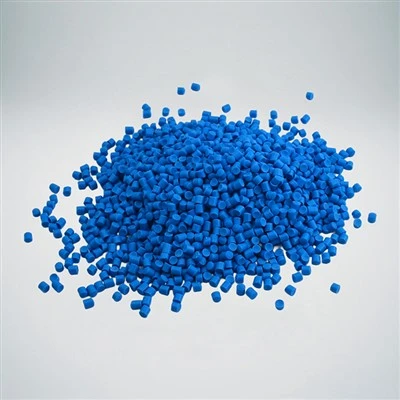

Opta EPC9007, EPC9257 and EPC9507: Irradiation-Crosslinkable LSZH Compounds for Automotive Low-Voltage Cables
Automotive wiring systems require insulation materials that can withstand demanding operating temperatures while providing reliable electrical insulation and environmental performance. Selecting the right Automotive Low-Voltage Wire Compound is essential for manufacturers producing automotive wires for vehicle electrical systems.
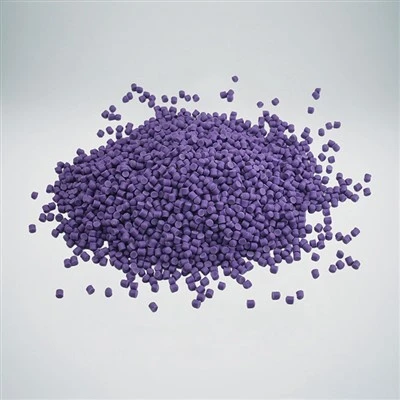
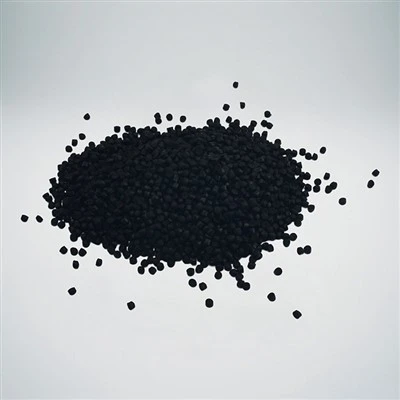
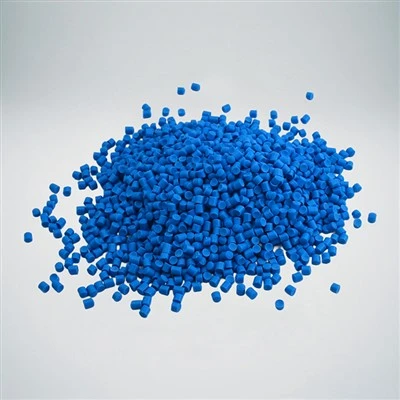
Opta New Materials offers three irradiation-crosslinkable, low-smoke zero-halogen (LSZH) compounds - EPC9007, EPC9257 and EPC9507 - designed for automotive low-voltage wire applications. These grades are developed to meet the relevant requirements of JASO D611 and ISO 6722, providing options for automotive wire manufacturers seeking halogen-free insulation materials with different temperature ratings.
- Three Grades for Different Temperature Requirements
Opta's EPC9007, EPC9257 and EPC9507 series covers three temperature classes, allowing wire manufacturers to select a suitable compound according to their cable design and application requirements.
- Product Model Temperature Rating Key Characteristics
EPC9007 100°C Irradiation-crosslinkable LSZH compound for automotive low-voltage wires
EPC9257 125°C Higher-temperature LSZH compound for automotive low-voltage wires
EPC9507 150°C High-temperature LSZH compound for demanding automotive wire applications
- All three grades feature low-smoke, halogen-free properties and are intended for the manufacture of automotive low-voltage wires. Their formulation combines temperature resistance with the environmental advantages of LSZH insulation materials.
- Designed for JASO D611 and ISO 6722 Requirements
JASO D611 and ISO 6722 are important standards in the automotive wire sector. They provide relevant requirements for automotive low-voltage wire designs and performance evaluation.
Opta's EPC9007, EPC9257 and EPC9507 are designed to meet the applicable requirements of these standards, supporting wire manufacturers developing automotive wiring solutions for different markets.
As irradiation-crosslinkable compounds, these materials undergo an irradiation process after wire extrusion. The crosslinking process helps the insulation achieve the required heat-resistance performance for its intended temperature class.
For specific projects, manufacturers should confirm the applicable standard edition, wire construction, test requirements and finished-wire qualification criteria before production.
- Key Advantages of Opta Automotive Low-Voltage Wire Compounds
1. Multiple temperature classes
The 100°C, 125°C and 150°C options provide flexibility when selecting insulation materials for different automotive wiring environments.
2. Low-smoke, halogen-free formulation
The LSZH formulation supports the development of automotive wires with reduced smoke generation and without intentionally added halogenated insulation materials, subject to the applicable product specifications and test results.
3. Irradiation-crosslinkable technology
Following appropriate irradiation, the insulation can achieve the crosslinked structure required for its intended heat-resistance class.
4. Automotive wire application focus
The EPC9007, EPC9257 and EPC9507 grades are developed specifically for automotive low-voltage wire manufacturing rather than finished cable supply.
- Applications
These Automotive Low-Voltage Wire Compounds can be considered for the production of halogen-free automotive wires used in vehicle electrical wiring systems, subject to the customer's wire design and qualification requirements.
The appropriate grade depends on the required temperature class, extrusion conditions, irradiation parameters and finished-wire performance specifications.
- Why Choose Opta?
Opta New Materials (Jiangsu) Co., Ltd. specializes in high-performance cable compounds backed by more than 25 years of Finnish technology heritage.
With a product portfolio covering automotive, electric vehicle, photovoltaic, communication and other cable applications, Opta provides material options for cable manufacturers seeking application-specific compound solutions.
For automotive wire manufacturers evaluating LSZH insulation materials, EPC9007, EPC9257 and EPC9507 offer three temperature-class options for further technical assessment.
- Looking for an Automotive Low-Voltage Wire Compound for your next project?
Contact Opta to request technical data sheets for EPC9007, EPC9257 and EPC9507 and discuss your required temperature rating, wire construction, irradiation process and applicable standards.