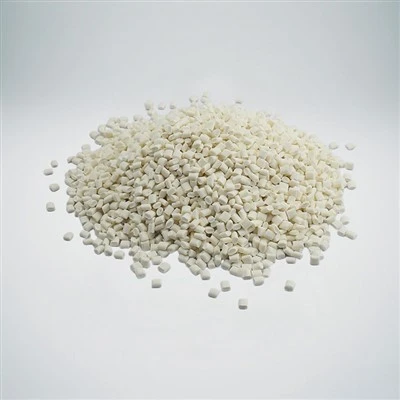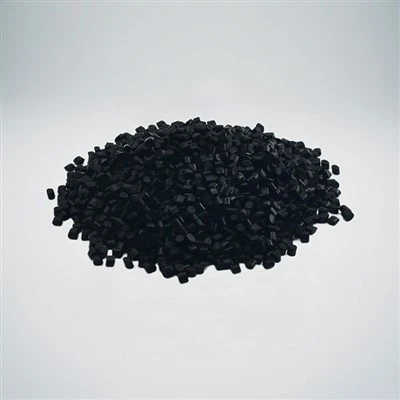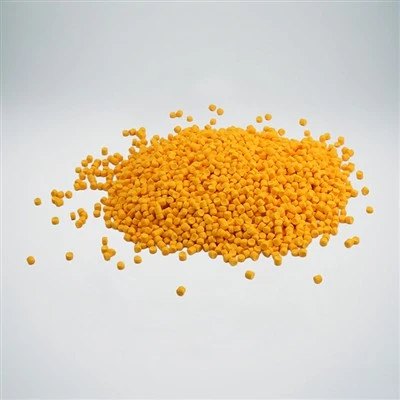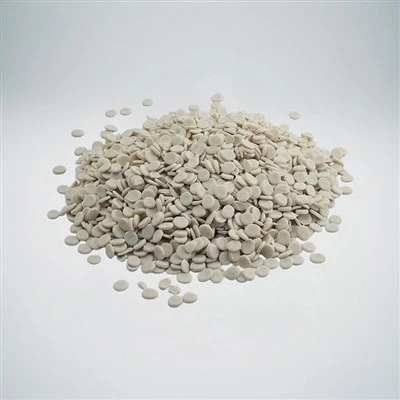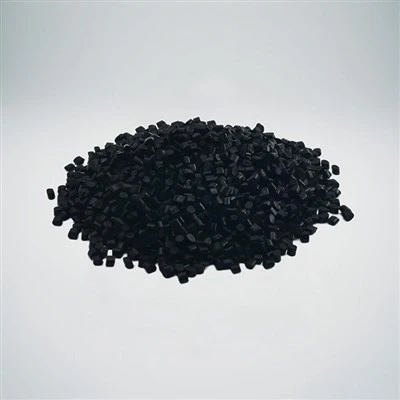


Hey everyone, if you’ve ever wondered what keeps a solar panel setup running smoothly even when it’s baking in the sun, getting stepped on by construction gear, or jostled around during installation, you’ve probably got photovoltaic (PV) cable compounds to thank. I’m Mike, and I’ve been supplying PV cable compounds for over a decade—enough time to learn that compression-resistance isn’t just a buzzword for engineers; it’s the thing that keeps your solar farm online when unexpected stuff happens. Today, let’s break down what these properties actually mean, why they matter more than you think, and how we design our compounds to stand up to real-world pressure.
First off, let’s define compression-resistance in simple terms, no stuffy lab jargon. When something compresses your cable—say, a heavy construction vehicle rolls over a buried line, or the weight of a panel module presses down on a cable routed along the racking—the compound around the conductors has to not crush, crack, or deform so much that the wires inside get damaged. A lot of people think PV cables just need to handle heat and UV, but compression is a silent killer I see all the time: a faulty cable here can take out an entire string of panels, costing thousands in downtime.
So what makes a PV cable compound good at compression? It’s not one single thing—it’s a mix of polymer base, additives, and cross-linking that all work together. Let’s start with the base polymer. Most of our PV compounds use a cross-linked polyethylene (XLPE) or ethylene propylene diene monomer (EPDM) blend, right? But not all cross-linking is equal. Cross-linking is basically bonding the polymer molecules together like a web, which makes the material stiffer and more resistant to permanent deformation when squeezed. If you don’t cross-link enough, the material will squish out of shape under pressure, and that’s when the conductors shift, insulation thins, and you get shorts or water intrusion. We recently tweaked our cross-linking process to hit a 75% gel content mark (that’s a standard measure of cross-link density) that balances flexibility with compression resistance—soft enough to install easily, tough enough to take a hit.
Wait, and then there’s LSZH—Low Smoke Zero Halogen—compounds, which are super important for commercial and residential installs where people are around. If you need LSZH, check out our Photovoltaic LSZH Cable Compound line, which is formulated with the same compression-resistance specs as our standard products, so you don’t have to trade safety for durability. I’ve had installers tell me they love these because even when they’re dragging cables over sharp rooftop edges or stepping on them while working, the insulation doesn’t crack like cheaper compounds they’ve used before.
Now, let’s talk about real-world test data, because numbers don’t lie. I get a lot of questions about how we test compression resistance, and it’s not just the standard IEC 60811-2-1 test everyone uses—though that’s a baseline. We also do our own on-site-style tests, like pressing a 10kg steel roller over a 1m cable sample at 85°C (the kind of temp you get on a rooftop in summer) and measuring how much the insulation deforms after 24 hours. Our compounds typically have a permanent compression set of less than 15% after that test, which is way below the 30% threshold most specifiers require. For context, a cheap uncross-linked compound might have a 50% compression set—meaning it squishes permanently in half and exposes the wires. That’s not a risk you want to take on a 10-acre solar farm.
But here’s the thing: compression-resistance doesn’t exist in a vacuum. It has to work with other key PV cable properties too, like thermal stability and UV resistance. If a compound is super stiff from high cross-linking but gets brittle after a year of sun, it’ll crack when compressed even a little bit. We balance all these factors by adding UV stabilizers and heat antioxidants that don’t mess with the polymer web we built for compression. Last year, we worked with a solar EPC in Texas that had issues with cables failing after only 2 years from both compression and sun exposure. We swapped their old compound for ours, and they’ve had zero issues in the 18 months since— that’s the kind of win that keeps me in this business.
Another common scenario: buried PV cables. When you bury lines for ground-mount farms, they’re under constant pressure from the soil above, plus any equipment that drives over the site later. We recently launched a modified XLPE compound with added mineral fillers that boost compression resistance specifically for buried installs. The fillers create a rigid structure within the polymer that distributes pressure more evenly, so even if you have rocky soil that shifts, the cable doesn’t get crushed. We tested this compound in a 12-month field trial in Arizona, and the cables showed no visible compression damage, while competitor compounds in the same test had an average of 12% deformation. That’s the difference between a cable that lasts 25 years and one that needs to be replaced in 5.
Wait, I should address a myth I hear all the time: “flexibility equals compression resistance.” Yeah, no—flexibility is about bending without breaking, while compression is about withstanding pressure from above. You can have a super flexible cable that still crushes easily if it’s not cross-linked right, or a rigid cable that cracks when bent. It’s all about the polymer structure. Our compounds get rated at a bend radius of 5x the cable diameter, which is perfect for tight installation routes, but we don’t sacrifice compression to get that flexibility. We actually design the web of polymer molecules to have “give” under bend pressure but stay strong under squeeze pressure— it’s a fine line, but that’s what our team of chemists spends weeks on.
What about cold weather? A lot of solar farms are in places with freezing temperatures, like Canada or the northern US. Compression resistance in the cold is a big one because polymers get brittle when it’s cold, so a compression event there can cause cracks that wouldn’t happen in warm weather. Our compounds have a low-temperature glass transition temperature (Tg) of -40°C, meaning they stay flexible and tough even in cold snaps. We tested this by putting cable samples in a -30°C freezer for 24 hours, then pressing a 5kg weight on them for another 24 hours—no cracks, no permanent deformation. Competitor compounds often have a Tg of -20°C, so they get brittle around freezing, which makes them way more prone to compression damage.
Now, let’s talk about why this matters for your bottom line. A PV cable lasts about 25-30 years, right? The biggest cause of premature failure is mechanical damage, and compression is one of the top mechanical failure sources. If you use a compound with good compression resistance, you reduce the chance of downtime, costly repairs, and safety hazards. I’ve seen solar projects where a single compression failure in a string caused a 10% drop in power output for a week, and that cost the owner tens of thousands in lost revenue. For utility-scale farms, that’s not a rounding error—it’s a major hit to their ROI. For residential installs, it means fewer service calls and happier customers who don’t have to pay to replace their entire cable system.
As a supplier, I don’t just send you a compound and walk away. We work with EPCs, installers, and project engineers to tailor compounds to their specific needs. If you’re working on a rooftop install with lots of sharp edges, we can adjust the additive package to boost both compression and abrasion resistance. If you’re doing a ground-mount farm in rocky soil, we can ramp up the mineral fillers for maximum compression resistance. And if you need LSZH, our Photovoltaic LSZH Cable Compound has you covered with all the same customization options. We also provide detailed test data sheets for every batch, so you don’t have to guess if the compound meets your project specs.
I’ve been in this industry long enough to know that the small, boring stuff like cable compounds is what makes or breaks a solar project. Everyone focuses on panels and inverters, but if your cables fail because they can’t handle compression, the best panels in the world are useless. We’ve supplied compounds to over 200 projects across North America and Europe, and the feedback is consistent: our compression-resistant cables don’t just perform in the lab, they perform in the real world, in heat, cold, construction zones, and everything in between.
If you’re working on a new solar project or looking to upgrade your current cable compound, don’t leave compression resistance to chance. Shoot us a message, and we can walk through your specific needs—whether that’s LSZH, buried install, cold weather, whatever— and find the right compound for you. No pressure, no salesy fluff, just straight talk from someone who’s been in the trenches with installers and project owners for years.
References:
- International Electrotechnical Commission (IEC). IEC 60811-2-1:2012, Common test methods for insulating and sheathing materials of electric cables – Part 2-1: Mechanical tests – Compression tests, 2012.
- Underwriters Laboratories (UL). UL 4703, Standard for Safety for Photovoltaic Wire and Cable, 2020.
- Wang, L., et al. Mechanical Properties of Cross-Linked Polyethylene for Photovoltaic Cable Applications. Journal of Applied Polymer Science, vol. 138, no. 15, 2021, pp. 49872.
- Solar Energy Industries Association (SEIA). 2023 Utility-Scale Solar Installation Best Practices, Mechanical Durability Guidelines, 2023.