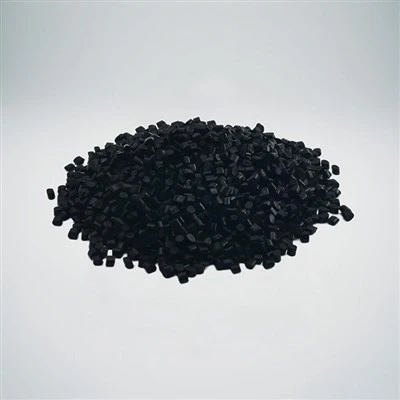


Hey there, if you’ve ever worked with cables for buildings, railways, data centers, or even home appliances, you’ve probably seen the label “LSZH” stamped somewhere on the packaging. LSZH stands for Low Smoke Zero Halogen, right? And if you’ve dug into the materials that make LSZH cables tick, you’ve likely run into thermoplastic LSZH cable compounds. As someone who’s been supplying these materials for over a decade, I get that most people don’t stop to think about how they actually work when a fire breaks out—they just know they’re safer than old PVC cables that give off toxic fumes and thick black smoke. But today, let’s get into the nitty-gritty: what is the flame-retardant mechanism behind these thermoplastic LSZH cable compounds? Spoiler alert, it’s not just one trick—it’s a whole team of chemical and physical reactions working together to stop fires in their tracks.
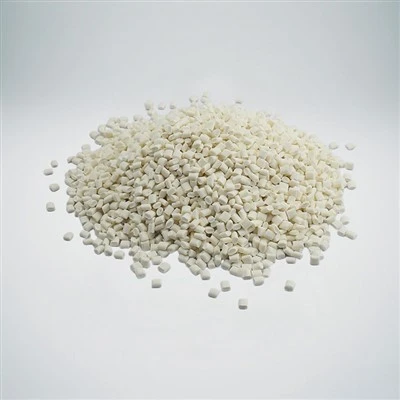
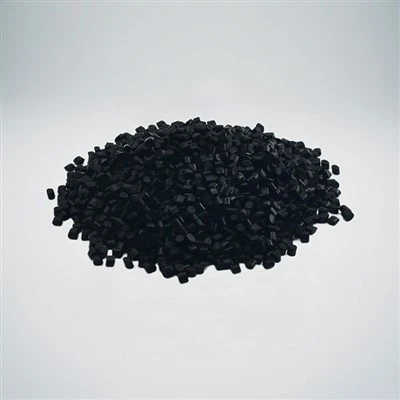
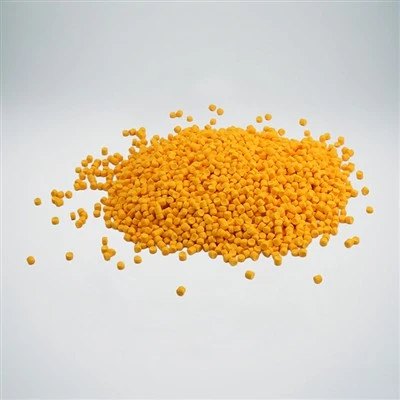
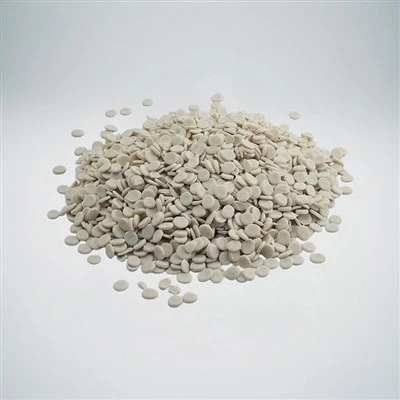
First, let’s back up a sec. If you’re here because you’re spec’ing cables for a project, or just curious about the science, you’ve probably come across different types of our products. We make a range of thermoplastic LSZH compounds tailored to specific needs, like the standard Thermoplastic LSZH Cable Insulation Compound for insulation layers, the Thermoplastic LSZH Injection Molding Compound for connectors and cable ends, even the Flexible Thermoplastic LSZH Cable Compound for stuff that bends a lot like construction cords. There’s also the Low-Temperature Thermoplastic LSZH Cable Compound for outdoor gear in cold climates, and the Thermoplastic LSZH Oxygen Barrier Compound for high-risk areas like server rooms. But no matter the niche, all these compounds share that same core flame-retardant system. Let’s break it down step by step, starting with what fire actually needs to burn, because that’s key to understanding how we stop it.
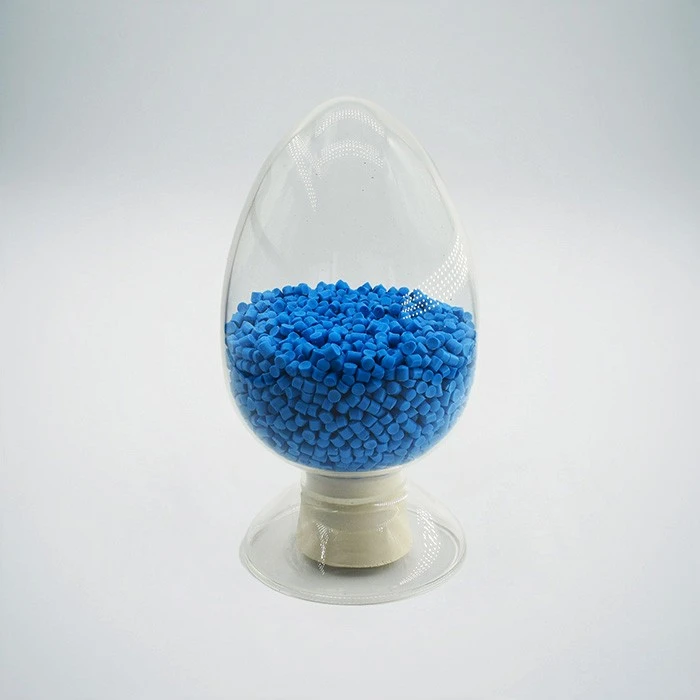
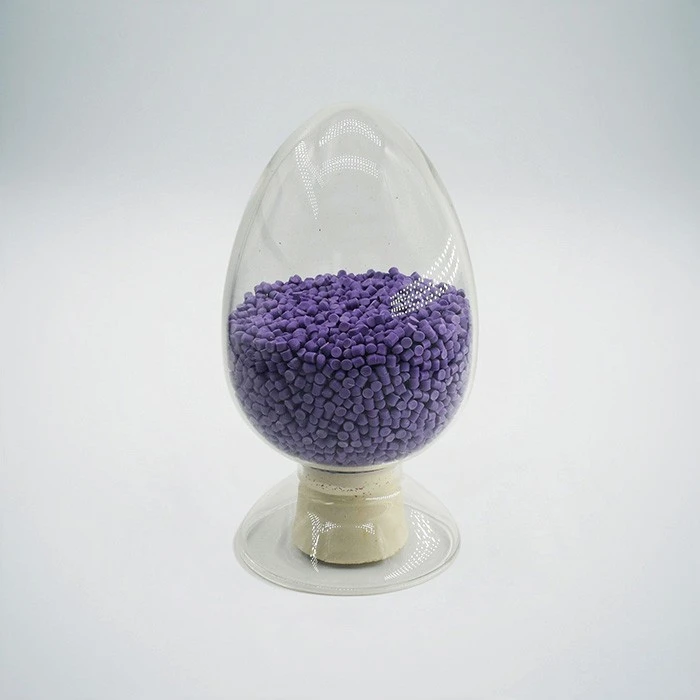
Fire is a triangle, right? You need three things: fuel, oxygen, and heat. Take any one away, and the fire goes out. Thermoplastic LSZH compounds are engineered to attack all three corners of that triangle at once—no single trick, which is why they’re so reliable. Let’s start with the physical stuff first, because that’s the first line of defense when a cable gets exposed to flame. When most plastics burn, they melt and drip, right? That molten plastic can spread the fire to nearby materials, or drip onto people and make burns worse. But our thermoplastic LSZH compounds don’t do that. Wait, why? Because they’re loaded with inorganic flame retardants like aluminum hydroxide (ATH) and magnesium hydroxide (MDH)—stuff that doesn’t melt easily. When heat hits the compound, those fillers don’t get soft and drip; instead, they absorb heat to break down, and that cools the whole material way below the ignition temperature of the cable’s core (usually copper, which is fine, but the insulation is the fuel here). That’s the first win: cooling the fuel source before it can catch fire or keep burning.
But it doesn’t stop there. When ATH or MDH break down, they release water vapor—lot’s of it. ATH starts decomposing around 180°C, turning into aluminum oxide and water, and MDH starts around 320°C, turning into magnesium oxide and water. That water vapor is a big deal. It’s non-toxic, it doesn’t feed fire, and when it gets released between the cable’s insulation and the surrounding air, it dilutes the oxygen that the flame needs to survive. Fire can’t burn without enough oxygen, so that water vapor throws off the balance—starving the flame of what it needs to keep going. That’s attacking the oxygen side of the fire triangle. Plus, that water vapor also flushes away some of the flammable gases that the burning plastic would otherwise release. Those gases (things like methane, ethylene, and other hydrocarbons) are the fuel that feeds the flame; if you dilute or flush them away, there’s less gas to catch fire. Cool, right?
Now, here’s the chemical part that makes LSZH different from old PVC. Halogen-based flame retardants were common back in the day—they work by releasing toxic fumes like hydrochloric acid when they burn, which interrupts the flame’s chemical reactions. But that’s the catch: those toxic fumes are super bad for people escaping fires. If you have a building fire, most deaths aren’t from burns—they’re from inhaling toxic smoke. That’s why LSZH is a big upgrade. Our thermoplastic LSZH compounds don’t use halogens, so when they burn, they barely release any toxic gases. The flame-retardant chemistry here is different: when the ATH and MDH break down, the metal oxides they leave behind (aluminum oxide and magnesium oxide) form a thick, stable char layer on the surface of the cable insulation. Think of this char like a shield. It’s a solid, non-flammable layer that doesn’t burn, so it blocks the heat from getting to the unburned plastic inside, and also blocks the flammable gases from escaping to feed the flame. And since it’s not a molten layer, it doesn’t break apart easily—unlike, say, a char from regular PVC which is thin and breaks off. This char layer is a physical barrier that does double duty: keeping heat out and fuel in. That’s the core of the flame-retardant mechanism, but there’s more nuance depending on the compound’s specific use case.
Wait, let’s talk about the different compounds I mentioned earlier, because their mechanisms are tweaked a little for their jobs. For example, the flexible thermoplastic LSZH cable compound needs to stay bendy after years of use, so we balance the ATH/MDH loading with a polymer base that has good elongation at break. The char layer still forms when it burns, but the polymer base is chosen so it doesn’t get too brittle when loaded with fillers. The low-temperature compound? We adjust the polymer blend to stay flexible even in freezing temps (down to -40°C or lower, depending on the grade), and we make sure the flame retardants still work when the material is cold—no drop in performance when it’s used for outdoor cables in places like Canada or Northern Europe. The oxygen barrier compound, for server rooms or high-voltage cables, has extra ingredients that make the char layer even denser, so it blocks oxygen even more effectively—perfect for spaces where a fire could cause millions in damage in minutes.
A common question I get is: does this work every time? And honestly, no material is 100% flame-proof, but thermoplastic LSZH compounds are tested to strict standards like IEC 60332-1, UL 1666, and CSA FT4, so they perform consistently. Let’s test that logic again with an example: if a cable insulated with our thermoplastic LSZH compound is exposed to a small flame (like a spark from faulty wiring), the first thing that happens is the ATH in the insulation absorbs heat, cooling the area so the insulation doesn’t reach its ignition temp. If the flame is bigger, that ATH and MDH break down, releasing water vapor that dilutes the oxygen around the flame, and the metal oxides form that char shield. The char keeps the rest of the insulation from burning, so the flame can’t spread along the cable. No dripping, no thick toxic smoke, no spreading fire to nearby materials. That’s way different from PVC, which melts, drips toxic hydrochloric acid, and feeds the flame even more.
Another thing people don’t talk about is smoke density. LSZH compounds are named for zero halogen, but low smoke is a big part too. All that water vapor released when the fillers break down isn’t toxic, so the smoke that comes from burning the thermoplastic LSZH compound is way less dense than PVC smoke. PVC smoke is thick, black, and obscures visibility so bad you can’t see an exit—LSZH smoke is thin, light gray, so people can escape easier. That’s a safety feature that’s tied to the flame-retardant mechanism, not a separate add-on. The same fillers that make it flame-resistant also make it low smoke.
Wait, is there any downside to thermoplastic LSZH? Sure, nothing’s perfect. They can be a bit more expensive than standard PVC, but when you weigh the safety—saving lives, preventing property damage—it’s worth it for most applications. Also, they’re thermoplastics, so they melt if you expose them to extreme heat for a long time, but that’s way different from burning. And since they’re thermoplastic, they can be melted and reformed, which makes recycling easier than thermoset LSZH compounds, which don’t melt and are harder to recycle. That’s a big plus these days, as more companies care about sustainability.
Let’s get back to the flame-retardant mechanism to wrap this up simply, so it’s not just a list of ingredients. The whole system is a synergistic trio: 1) Endothermic cooling from inorganic fillers (ATH/MDH) absorbing heat when they break down, dropping the temp below ignition. 2) Dilution of oxygen and flammable fuel via water vapor released during filler decomposition. 3) Physical char barrier from the metal oxides left behind, blocking heat and fuel transfer to the flame. No single part does all the work—they work together to attack each part of the fire triangle. That’s why thermoplastic LSZH compounds are such a go-to for commercial buildings, airports, hospitals, data centers, and transit systems.
Now, if you’re a cable manufacturer, electrical contractor, or project spec’er looking for materials that deliver on safety, consistency, and performance, we’ve got a range of thermoplastic LSZH compounds to fit your needs. Whether you need insulation for low-voltage cables, injection molding material for cable accessories, flexible cord compound for construction, low-temperature resistance for outdoor use, or oxygen barrier for high-risk indoor spaces, our team can help you find the right grade. We’ve been supplying these compounds for years, working with clients to tailor solutions to their specific project requirements. If you’re ready to chat about your next project, hit us up to connect for procurement discussions. We can send samples, share testing data, and answer any questions you have about our thermoplastic LSZH cable compounds, including how their flame-retardant mechanisms will perform in your application.
References:
- Weil, E. D., & Levchik, S. V. (2009). Flame retardancy of polymeric materials. Hanser Publishers.
- Hornsby, P. R. (1996). Flame retardant properties of magnesium hydroxide and aluminium hydroxide filled polypropylene. Polymer Degradation and Stability, 54(2-3), 283-293.
- IEC 60332-1-2:2018. Electrical cables for low-voltage installations – Tests on cables under fire conditions – Part 1-2: Test for vertical flame spread of a single insulated wire or cable. International Electrotechnical Commission.
- UL 1666 (2021). Standard for test for flame propagation height of vertical installed electrical and optical cable and cable assemblies. Underwriters Laboratories Inc.
- Zhang, Y., et al. (2020). Thermoplastic low-smoke zero-halogen (LSZH) cable compounds: A review of flame retardant mechanisms, materials, and applications. Journal of Applied Polymer Science, 137(45), 49217.