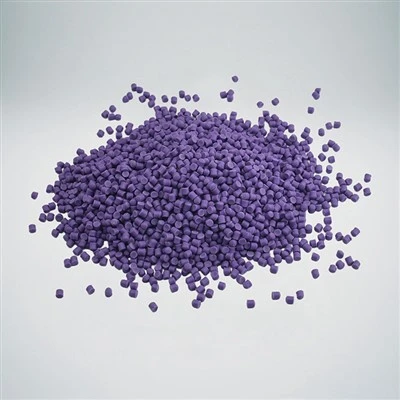
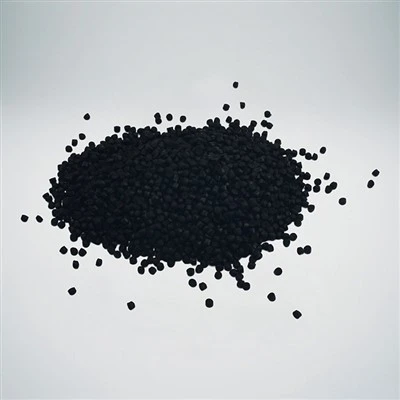
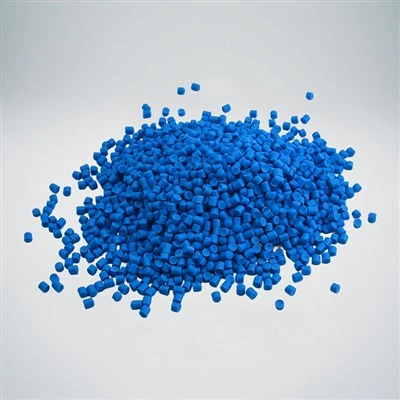
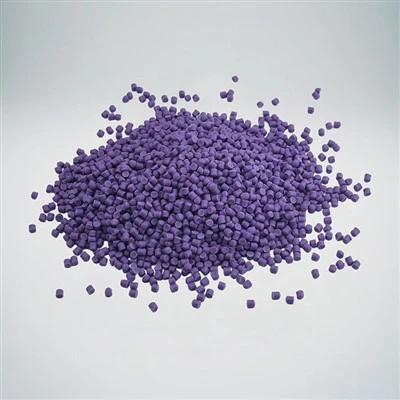
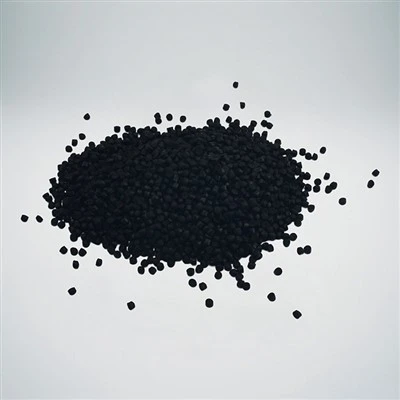
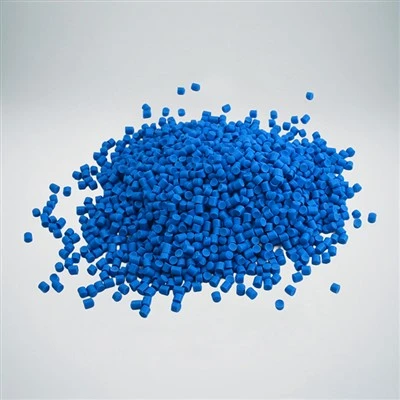
Color masterbatch is a coloring product for plastics and fibers developed in the 1960s; it is a polymer composite created by uniformly dispersing a high concentration of pigment into a resin carrier. Its composition primarily consists of three components: colorants, carriers, and dispersants.
Data indicates that while the average annual growth rate of demand for color masterbatch in other Asian countries ranges from 7% to 9%, my country's growth rate stands at approximately 20%. China is projected to become the market with the fastest-growing demand for color masterbatch. The country currently relies on imports, particularly for colored and additive masterbatches, yet it has already become the largest producer and consumer of color masterbatch in Asia. There are 330 color masterbatch enterprises in my country-comprising 300 plastic-grade and 30 fiber-grade manufacturers-concentrated mainly in provinces and municipalities such as Fujian, Guangdong, Shandong, Zhejiang, Jiangsu, Shanghai, Liaoning, Tianjin, Beijing, and Hebei. Nearly 50 enterprises possess an annual production capacity exceeding 1,000 tons, bringing the national total capacity to 300,000 tons per year, whereas domestic demand in 2001 was less than 120,000 tons. This severe overcapacity has led to generally low operating rates across the domestic industry. Beyond factors such as the rapid pace of new facility construction and insufficient orders, a key issue is the lack of diversity in the domestic product mix; general-purpose products dominate the market, while high-concentration, ultra-high-concentration, multifunctional, and fine-denier fiber-grade masterbatches account for a relatively small share. In contrast, countries with more advanced color masterbatch technology offer a comprehensive range of raw materials-such as pigments and dispersants-and have established specialized, serialized product portfolios. Regarding product development, Chinese manufacturers have successfully introduced masterbatches for fibers, films, wires and cables, polyolefins, PVC, and injection-molded products. Experts predict that the future of color masterbatch lies in multifunctionality, higher color content, and advanced technology, with progress in the sector driven by continuous improvements in production techniques.

 English