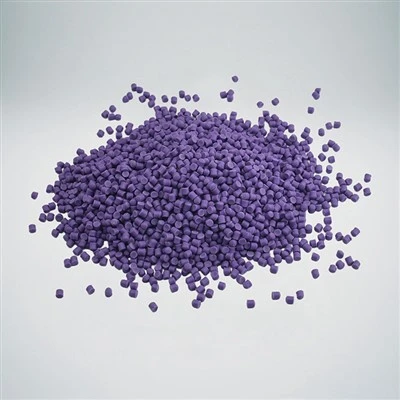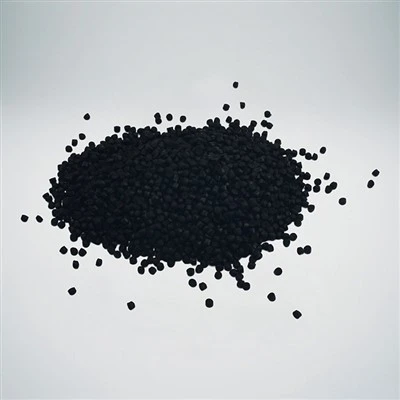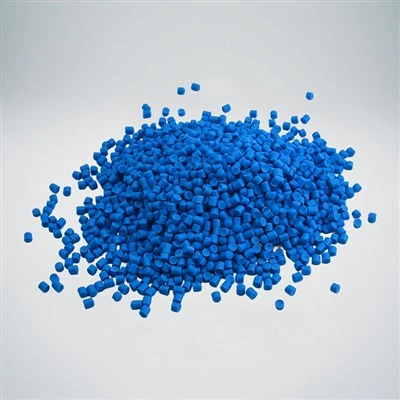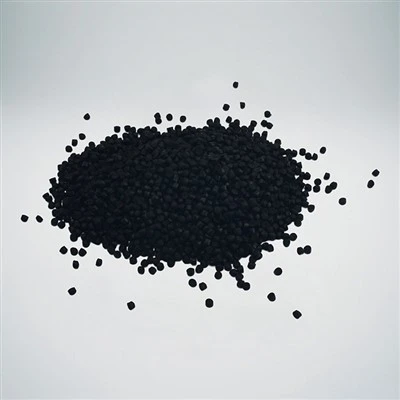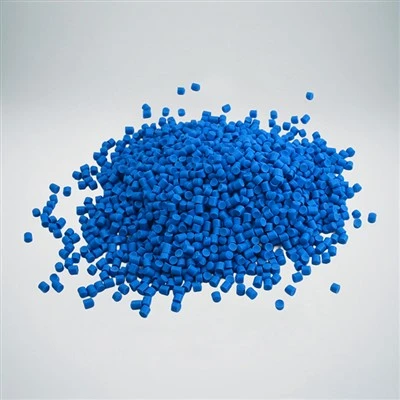

Masterbatch improves pigment dispersion within the finished product, maintains the chemical stability of the pigment, ensures color consistency, and reduces dust generation during processing. With societal development, the use of masterbatch in plastic packaging materials has surged; there is also significant demand from sectors such as the power, telecommunications, wallpaper, and automotive industries.
Additionally, masterbatch is used in the textile industry-for instance, antistatic masterbatch prevents filament tangling caused by static electricity during polypropylene fiber drawing or weaving, while simultaneously providing coloration.
Generally, masterbatch does not require drying and can be used directly; however, ABS and NY masterbatches are exceptions and should be dried according to standard processing procedures.