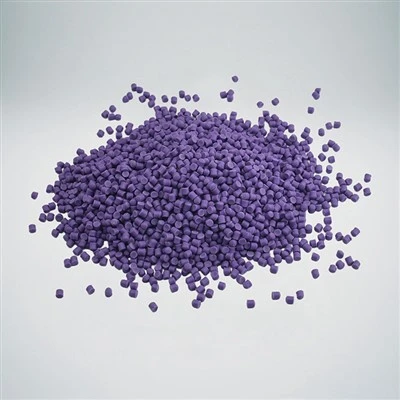
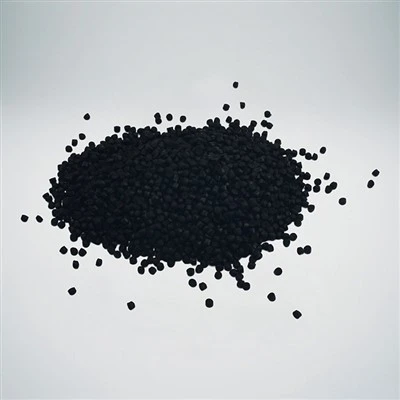
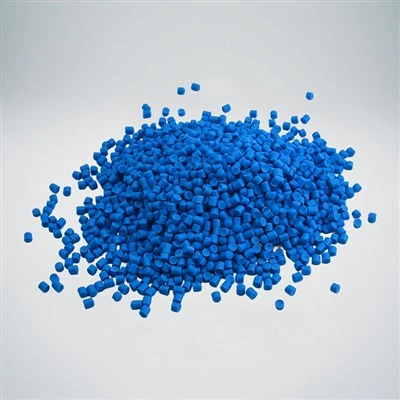
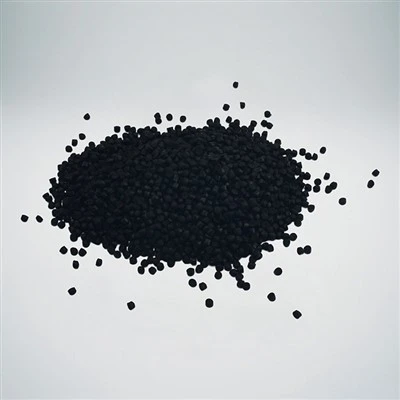
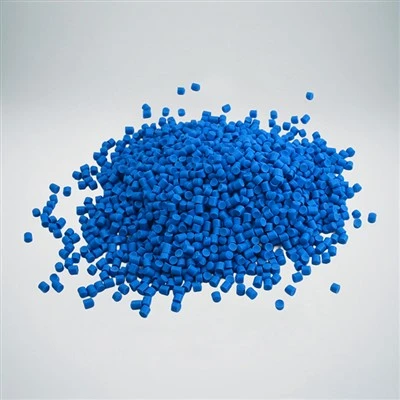
Specialty Masterbatch: This is a masterbatch manufactured using the same type of plastic as the carrier resin specified by the user for the final product. For example, PP masterbatch and ABS masterbatch use PP and ABS, respectively, as their carrier resins.
Universal Masterbatch: This also uses a specific resin (often low-melting-point PE) as the carrier, but it is designed to be suitable for coloring resins other than the carrier resin itself.
While universal masterbatches are relatively simple and convenient to use, they have significant drawbacks; therefore, the use of specialty masterbatches is recommended.
Why do many companies not produce universal masterbatches?
The vast majority of reputable international masterbatch companies generally do not produce universal masterbatches.
Universal masterbatches suffer from numerous disadvantages. In reality, their scope of "universality" is quite limited, and they perform poorly in terms of technical specifications and cost-effectiveness. Specific issues include:
1. Poor predictability of coloring results
The primary purpose of a masterbatch is coloring; however, the pigments in a universal masterbatch can produce varying colors when used with different plastics, making the final coloring outcome difficult to predict.
2. Impact on other properties of plastic products
They can affect physical properties-particularly strength-making products prone to deformation or warping; this effect is especially pronounced with engineering plastics.
3. Higher costs
To achieve "universality," these masterbatches often utilize pigments with higher heat-resistance ratings than necessary, resulting in waste.
Besides coloring, can masterbatches also provide functions such as flame retardancy, brightening, antistatic properties, antioxidant protection, or UV resistance?
Yes, masterbatches can incorporate several of these functions simultaneously if the manufacturing facility requires them.
Sometimes, even if a customer does not explicitly request it, a masterbatch company may recommend adding specific functional agents-such as brighteners-based on the product's needs. Naturally, this will increase the product's cost.

 English