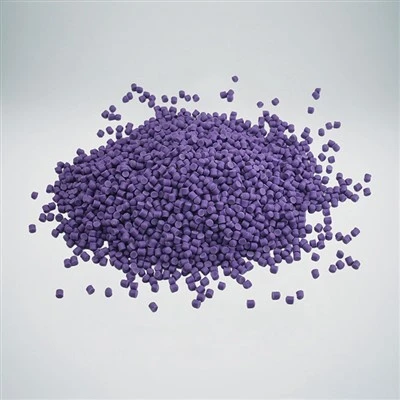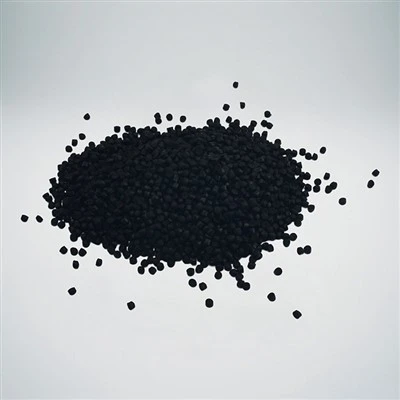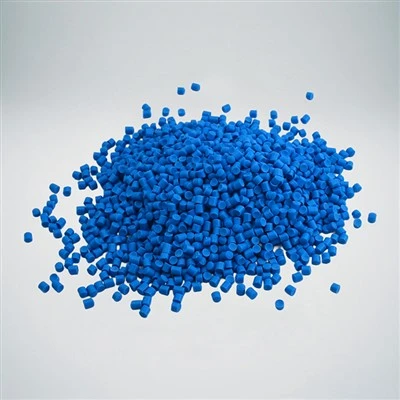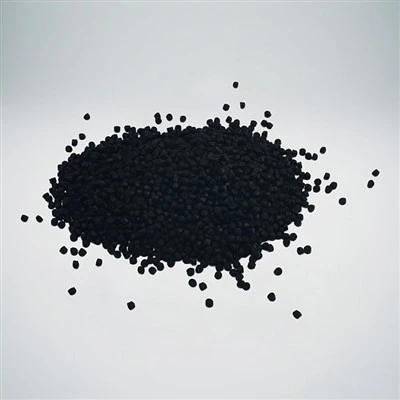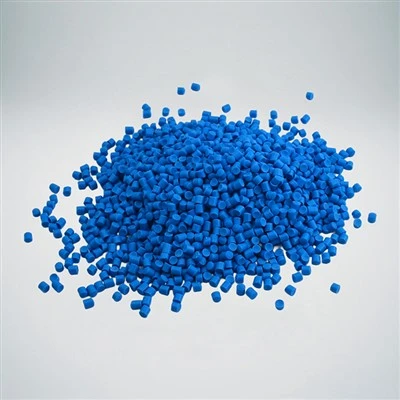

Automotive wire manufacturers must consider temperature resistance, insulation performance, material properties and applicable standards when selecting an Automotive Low-Voltage Wire Compound. Two important standards in this field are JASO D611 and ISO 6722.
Understanding their roles can help cable manufacturers identify suitable insulation materials, communicate technical requirements more clearly and develop automotive wires that meet the needs of their target markets.
1. What Is JASO D611?
JASO D611 is a Japanese automotive standard associated with low-voltage automotive wires. It provides technical requirements for automotive wire products used in vehicle electrical systems.
For manufacturers developing automotive wiring products, the applicable requirements may involve wire construction, insulation properties, electrical performance and environmental resistance, depending on the specified wire type and standard edition.
When selecting a compound for a JASO D611 application, manufacturers should confirm the required wire type, temperature class and relevant test criteria rather than relying on the material name alone.
2. What Is ISO 6722?
ISO 6722 is an international standard series covering road vehicle cables. It addresses requirements and test methods for automotive cables, including relevant mechanical, electrical and thermal performance characteristics.
The applicable requirements depend on the relevant edition, cable classification and specified application.
For compound suppliers, understanding the customer's intended wire design and qualification requirements is essential. A raw material's properties are important, but the finished wire must also meet the applicable requirements.
3. JASO D611 vs. ISO 6722: Key Considerations
Although both standards are relevant to automotive wiring, they should not be treated as interchangeable without checking their respective requirements.
| Consideration | JASO D611 | ISO 6722 |
| Standard framework | Japanese automotive standard | International standard |
| Application | Automotive wire products within the standard's scopeAutomotive wire products within the standard's scope | Road vehicle cables within the standard's scope |
| Technical evaluation | Follow the applicable edition and wire requirements | Follow the applicable edition and cable classification |
| Material selection | Based on the specified wire design and tests |
Based on the specified cable design and tests |
Automotive wire manufacturers should identify the exact standard edition and applicable requirements before selecting a material. Compliance with one standard does not automatically establish compliance with the other.
4. Why Does Temperature Rating Matter?
Temperature rating is one of the important factors when selecting a low-voltage automotive wire insulation compound.
Different locations within a vehicle can expose wiring to different thermal conditions. The required temperature class therefore needs to be determined according to the intended installation environment, operating conditions and applicable wire specifications.
For example, Opta offers three irradiation-crosslinkable LSZH automotive wire compound grades:
- EPC9007 - 100°C: For automotive low-voltage wire applications requiring a 100°C temperature class.
- EPC9257 - 125°C: For automotive low-voltage wire applications requiring a higher temperature class.
- EPC9507 - 150°C: For automotive low-voltage wire applications requiring a high-temperature insulation material
These grades provide different temperature-class options for wire manufacturers evaluating LSZH insulation materials.
The appropriate grade should be confirmed against the actual application, processing conditions and finished-wire qualification requirements.
5. What Should Manufacturers Consider When Choosing an Automotive Wire Compound?
Temperature rating is only one part of material selection. Manufacturers should also evaluate the following factors.
Insulation performance
The compound must be suitable for the required electrical insulation properties and the intended wire construction.
Mechanical properties
Flexibility, tensile properties, elongation and abrasion resistance may be important, depending on the wire design and application.
Thermal aging performance
The material and finished wire should be evaluated against the applicable thermal aging requirements for the intended temperature class.
Flame retardancy and halogen-free requirements
Where LSZH materials are specified, manufacturers should verify the relevant flame-retardancy, smoke and halogen-related test requirements. These properties should be supported by appropriate test data rather than assumed from the LSZH designation alone.
Processing and irradiation conditions
For irradiation-crosslinkable compounds, extrusion conditions and the irradiation process must be appropriately controlled to achieve the required finished-wire performance.
6. How Can Compound Suppliers Support Automotive Wire Development?
Effective material selection requires communication between the wire manufacturer and the compound supplier.
Before recommending an automotive low-voltage wire compound, the supplier should understand the required temperature class, applicable standard, wire construction, processing conditions and key performance criteria.
For projects involving JASO D611 or ISO 6722, manufacturers should also confirm whether the customer requires material-level test data, finished-wire test reports or additional project-specific qualification.
This approach helps reduce material-selection uncertainty and makes technical evaluation more efficient.
Conclusion
JASO D611 and ISO 6722 are important references for automotive wire development, but the applicable requirements must be checked individually for each wire design.
Selecting the right Automotive Low-Voltage Wire Compound requires more than matching a temperature rating. Manufacturers should also consider insulation performance, mechanical properties, thermal aging, flame-retardancy requirements and processing conditions.
Opta EPC9007, EPC9257 and EPC9507 provide 100°C, 125°C and 150°C irradiation-crosslinkable LSZH material options for automotive low-voltage wire applications.
Contact Opta New Materials to request technical data sheets and discuss compound selection for your automotive wire project.