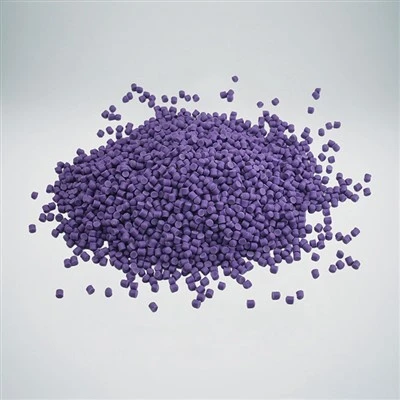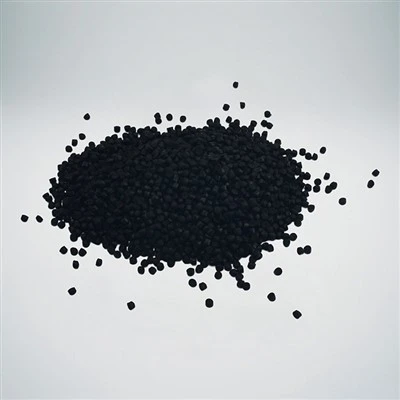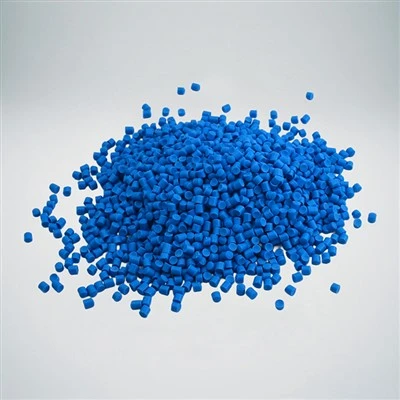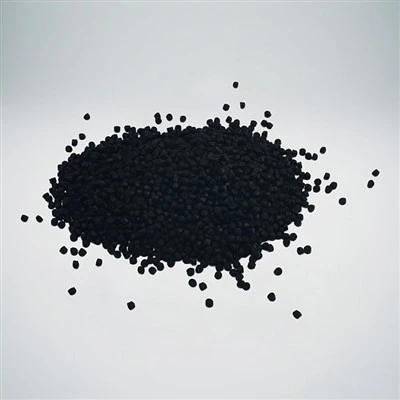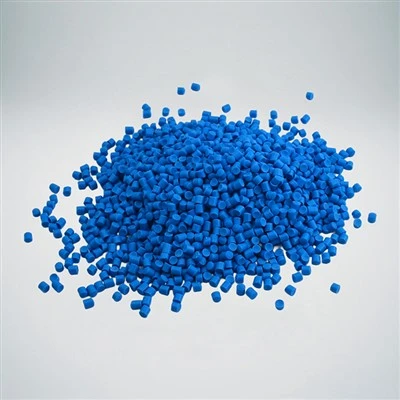

LSZH cable compounds are widely used in wire and cable applications where low smoke emission, halogen-free formulations, and flame-retardant performance are important considerations.
When evaluating LSZH cable compounds, two properties often appear in technical data sheets: smoke density and limiting oxygen index (LOI), also known as oxygen index. Both are relevant to material fire-performance evaluation, but they measure different characteristics.
Understanding these differences helps cable manufacturers interpret technical data, compare materials tested under appropriate conditions, and identify compounds that meet the requirements of their intended cable applications.
1. What Is Smoke Density in LSZH Cable Compounds?
Smoke density describes the degree to which smoke generated under specified test conditions reduces light transmission. It is an important consideration when evaluating the smoke-related performance of cable materials.
In a smoke density test, a specimen is exposed to defined conditions, and the optical effect of the generated smoke is measured. The result depends on the test method, specimen configuration, and test conditions.
Commonly referenced standards include:
ASTM E662: Measures the optical density of smoke generated by solid materials under specified flaming and non-flaming conditions.
EN ISO 5659-2: Evaluates smoke production from materials using a single-chamber test method.
IEC 61034: Evaluates smoke emission from electric cables under defined test conditions.
These standards do not necessarily evaluate the same specimen configuration or produce directly interchangeable results. In particular, testing an individual cable compound is not the same as testing a completed cable.
Generally, a lower smoke density result indicates less optical obscuration under the conditions of the specific test. However, it does not independently establish the overall fire safety of a material or cable.
For cable manufacturers, the first step is to confirm the smoke test method required by the customer or applicable cable specification.
2. What Is the Oxygen Index of LSZH Cable Compounds?
The limiting oxygen index (LOI) is the minimum oxygen concentration in an oxygen-nitrogen mixture that will support sustained combustion of a specimen under specified test conditions.
It is expressed as a percentage by volume.
For example, an oxygen index of 35% indicates that the specimen requires an oxygen concentration of approximately 35% under the specified test conditions to sustain combustion. It does not mean that the material will automatically extinguish in every real-world fire.
Common test methods include:
ISO 4589-2: Determines the oxygen index of plastics at ambient temperature.
ASTM D2863: Determines the minimum oxygen concentration needed to support candle-like combustion of plastics.
A higher oxygen index generally indicates that a higher oxygen concentration is required to sustain combustion under the same test method and comparable conditions.
However, oxygen index is a specific laboratory measurement. It should not be used alone to predict actual fire behavior or to establish compliance with every flame-retardancy requirement.
When evaluating LSZH cable compounds, oxygen index should be considered alongside other material properties and the relevant cable test requirements.
3. Smoke Density vs. Oxygen Index: What Is the Difference?
Although smoke density and oxygen index are both associated with fire performance, they answer different technical questions.
| Comparison | Smoke Density | Oxygen Index (LOI) |
|---|---|---|
| Main focus | Smoke-related optical obscuration | Ability to sustain combustion under specified conditions |
| What is measured | Optical effect of generated smoke | Minimum oxygen concentration supporting sustained combustion |
| Typical expression | Method-dependent optical density or related result | Percentage by volume (%) |
| Common test methods | ASTM E662, EN ISO 5659-2 | ISO 4589-2, ASTM D2863 |
| General interpretation | Lower results indicate less optical obscuration under the same method | Higher values indicate a higher oxygen concentration is required to sustain combustion under the same method |
| Key limitation | Does not establish overall fire safety or smoke toxicity by itself | Does not predict actual fire behavior or prove compliance with all cable fire requirements |
The key difference is that smoke density evaluates the optical effect of smoke, while oxygen index evaluates the oxygen concentration needed to sustain combustion in a laboratory test.
These properties are complementary rather than interchangeable. A material with a higher oxygen index does not necessarily have a lower smoke density, and a low smoke density result does not automatically mean that the material meets every flame-retardancy requirement.
For this reason, cable manufacturers should review both properties where relevant to the application and specified testing requirements.
4. Why Are Smoke Density and Oxygen Index Important for LSZH Cable Materials?
LSZH cable compounds are developed for applications in which low smoke emission, halogen-free material formulations, and flame-retardant performance are important.
However, LSZH is a broad category of cable materials rather than a guarantee that every grade has identical properties. Different compounds are designed for different cable components and performance requirements.
When evaluating LSZH materials, cable manufacturers should consider:
Smoke performance: Whether the smoke-related test results meet the requirements of the intended cable application.
Flame-retardant performance: Whether the material meets the specified flame-retardancy criteria and relevant cable standards.
Mechanical properties: Whether tensile strength, elongation, aging resistance, and other required physical properties are suitable for the application.
Electrical properties: For insulation and other relevant components, whether the material meets the required electrical performance criteria.
Processing and cable construction: Whether the compound can be processed appropriately and performs as required in the finished cable structure.
No single laboratory value can replace a complete assessment of the material and its intended application.
5. How Should Cable Manufacturers Compare LSZH Compound Data Sheets?
When comparing LSZH cable compounds, it is important to review test data in context rather than selecting a material based on one number.
Step 1: Confirm the Required Application
Identify whether the compound is intended for cable insulation, sheathing, an oxygen barrier layer, or another component. Different applications may have different material and testing requirements.
Step 2: Verify the Test Standards
Check the test methods listed in each technical data sheet. Smoke density results obtained using different methods should not be assumed to be directly comparable. The same principle applies when comparing results obtained under different oxygen index test conditions.
Step 3: Evaluate Both Properties Where Required
Review smoke density and oxygen index together when both are relevant to the specification. Neither property should be used as a substitute for the other.
Step 4: Check the Complete Technical Requirements
Review the relevant mechanical, electrical, thermal, and flame-retardant requirements. The appropriate combination of properties depends on the intended cable construction and end-use conditions.
Step 5: Confirm Finished-Cable Compliance
Material-level data does not automatically demonstrate that a finished cable complies with a particular cable standard. The final cable may need to be evaluated using the test methods and requirements specified for that application.
Following these steps helps cable manufacturers make more informed material comparisons and avoid drawing conclusions from isolated test values.
6. Choosing the Right LSZH Cable Compound
Selecting a suitable LSZH cable compound requires more than checking whether a material is described as low-smoke, halogen-free, or flame-retardant.
Cable manufacturers should confirm the intended application, required performance levels, applicable standards, processing conditions, and relevant test methods before finalizing material selection.
Opta New Materials offers a range of LSZH cable compounds for different wire and cable applications. The appropriate grade should be selected according to its technical data sheet and the requirements of the intended cable construction.
For material evaluation, customers should identify their application, target performance requirements, and applicable test standards so that the relevant product information can be reviewed.