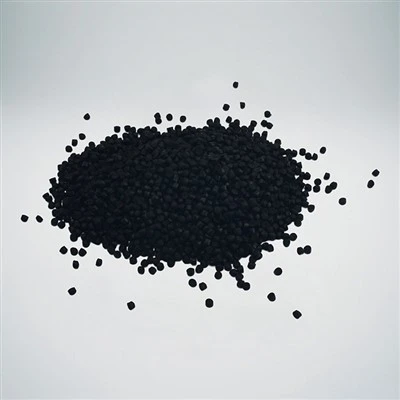
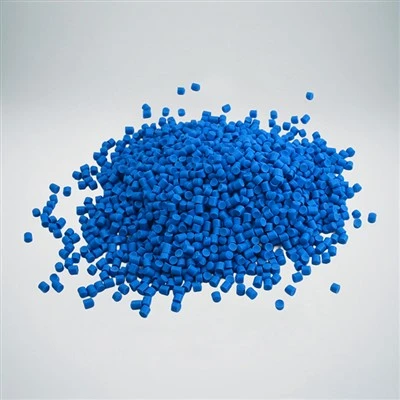
When selecting colorants for masterbatches, it is essential to consider their compatibility with the plastic raw materials and additives. Key selection criteria are outlined below:
(1) Colorants must not react with the resin or various additives; they should exhibit high solvent resistance, low migration, and good heat resistance. In other words, the colorant must remain chemically inert within the system. For instance, since carbon black can inhibit the curing reaction of polyester plastics, it should not be used as a colorant in polyester applications.
Given the high temperatures involved in plastic molding and processing, colorants must not decompose or discolor under heating conditions. Generally, inorganic pigments offer superior heat resistance compared to organic pigments and dyes; this distinction warrants careful consideration during the selection process.
(2) Colorants should possess good dispersibility and tinting strength. Poor dispersion can compromise the product's visual appearance, while low tinting strength necessitates higher dosage levels, thereby increasing material costs. As the dispersibility and tinting strength of a specific colorant can vary depending on the resin matrix, this factor must be taken into account during selection.
Particle size is also linked to dispersibility; generally, finer colorant particles yield better dispersion and higher tinting strength.
(3) Other properties of the colorants must also be considered. For example, colorants used in plastics for food-contact items or children's toys must be non-toxic; applications in electrical appliances require colorants with good electrical insulation properties; and outdoor applications demand colorants with excellent weather resistance.

 English