
Energy storage cables are primarily used in battery energy storage systems and require high electrical conductivity, high-temperature resistance, and environmental friendliness. These cables typically must comply with international environmental standards such as RoHS and REACH.
Internal Wiring and Environmental Protection for Containers/Cabinets
Locations: Densely routed within energy storage enclosures; external routing for outdoor cabinets.
Material Requirements: Wide operating temperature range and weather resistance (-40°C to 125°C); UV resistance; resistance to salt spray and oil; flame retardancy and smoke suppression (to prevent toxic fumes in enclosed spaces).
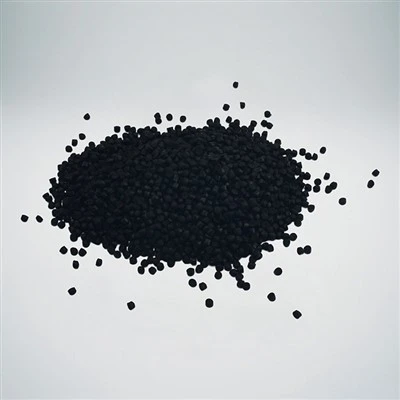
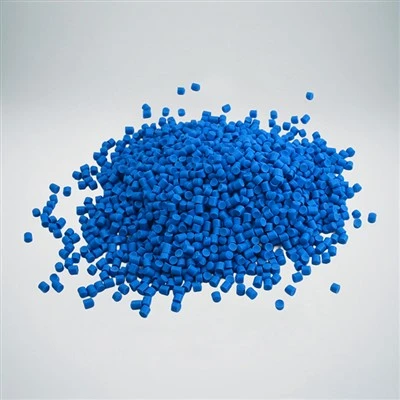
Typical Materials: Low-smoke, zero-halogen (LSZH) flame-retardant polyolefin sheathing compounds; UV-resistant cross-linked polyethylene (XLPE); specialty elastomers (EPR/EPDM or silicone rubber).
Power connections for battery energy storage systems.
Power transmission for photovoltaic (PV) power generation equipment.
High-Voltage Cascaded and Grid-Connected Systems (AC Side)
Locations: Battery clusters to transformers; step-up grid connection to the power grid (10 kV–35 kV).
Material Requirements: High dielectric strength, low dielectric loss, tracking resistance (under DC bias), and long-term thermal stability.
Typical Materials: High-voltage XLPE insulation base materials (domestic substitution is accelerating) and tracking-resistant sheathing materials.