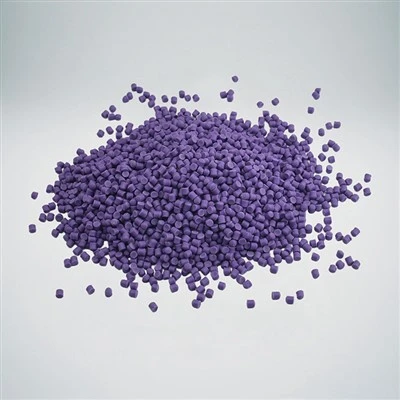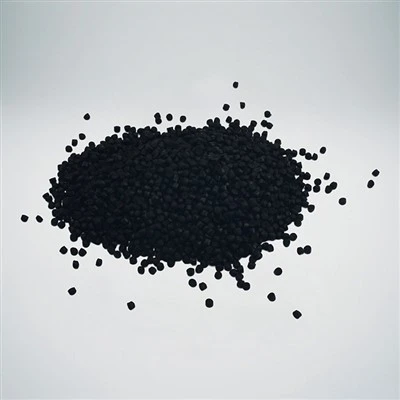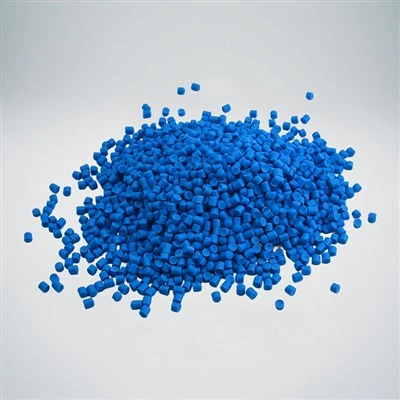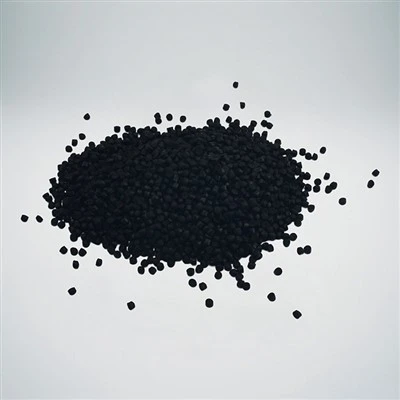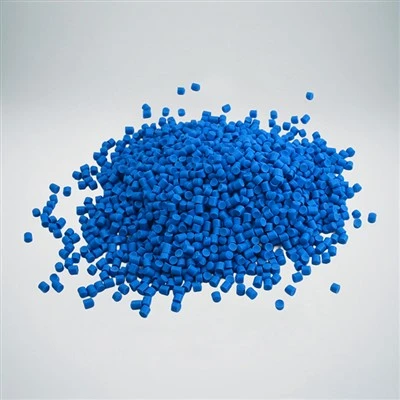

Cross-linked Polyolefin (XLPO/XLPE): A mainstream insulation material. It utilizes an irradiation cross-linking process to form a three-dimensional network structure, enabling a long-term operating temperature of up to 125°C or even 150°C. Its aging and crack resistance significantly outperform standard chemically cross-linked products, making it the standard choice for high-end energy storage cables.
Low-Smoke Zero-Halogen (LSZH) Flame-Retardant Material: An essential sheathing material. Energy storage stations are often enclosed spaces; therefore, materials must exhibit low smoke density and emit no toxic or corrosive gases during combustion. Flame-retardancy ratings typically must meet Class B or UL VW-1 standards to ensure fire safety.
Specialty Elastomers (TPE/Silicone Rubber): Used for flexible internal connections within battery clusters. These materials offer excellent flexibility, bend resistance, and a wide operating temperature range (-40°C to 125°C), making them suitable for routing in the confined spaces of battery modules and for withstanding vibration conditions.
Modified Formulation Technology: To address processing challenges caused by high loadings of flame retardants (such as magnesium hydroxide or aluminum hydroxide), specific flame-retardant blends with optimized particle size distributions and silane coupling agent modifications are employed. This ensures balanced performance and batch-to-batch consistency during high-speed extrusion.