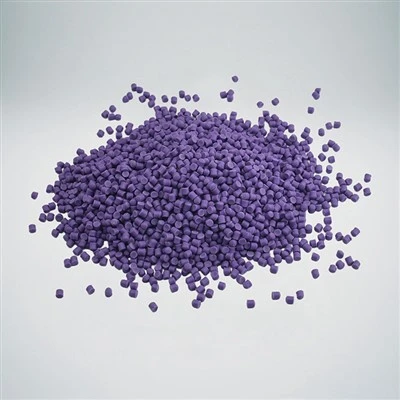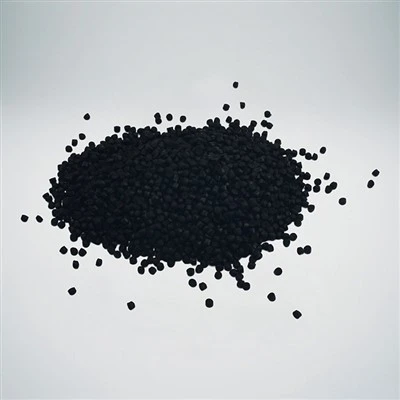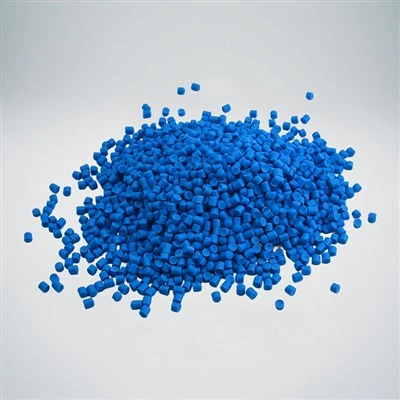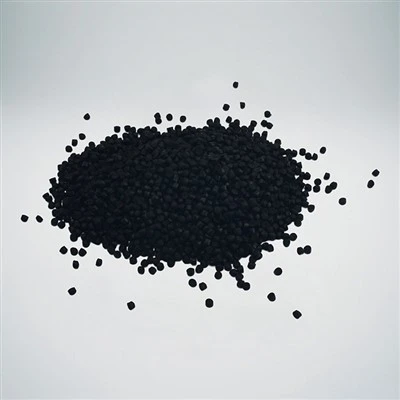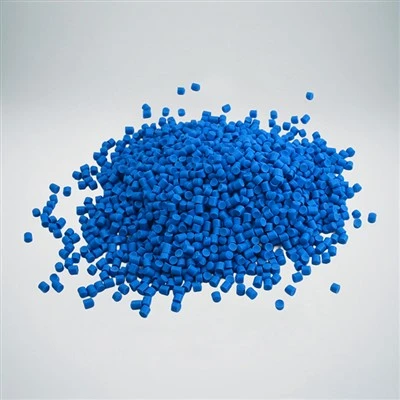

Widely used with resins such as polyethylene (PE), polypropylene (PP), polystyrene (PS), ABS, nylon (PA), PC, PMMA, and PET, masterbatches enable the production of colorful items including fibers, apparel, consumer plastic goods, wires and cables, home appliances, agricultural films, automotive parts, and healthcare equipment.
Packaging: Food packaging bags and beverage bottle caps require non-toxic, migration-resistant masterbatches;
Consumer goods: Housings for home appliances, toys, and similar products must comply with environmental standards such as RoHS and REACH;
Industrial products: Automotive bumpers, pipes, and similar components require weather resistance and mechanical strength.
Compared to the direct addition of traditional pigments, masterbatches offer the following advantages:
Environmental friendliness: Reduces dust pollution and improves the workshop environment;
Precise metering: Granular form facilitates automated dosing and minimizes the risk of color variation;
Cost-effectiveness: High-concentration formulations (pigment content of 20%–50%) reduce transportation and storage costs.