
Material Properties
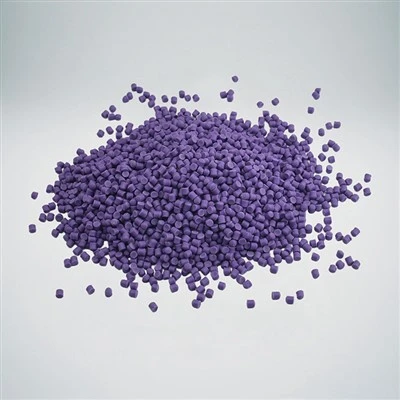
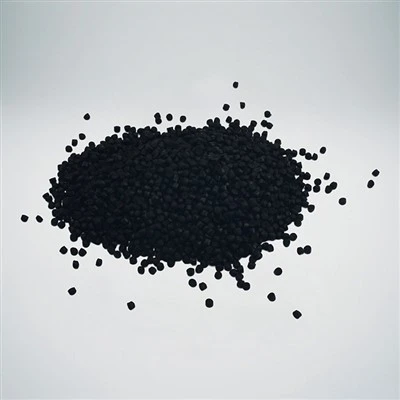
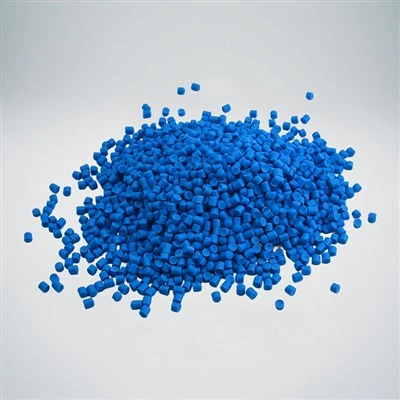
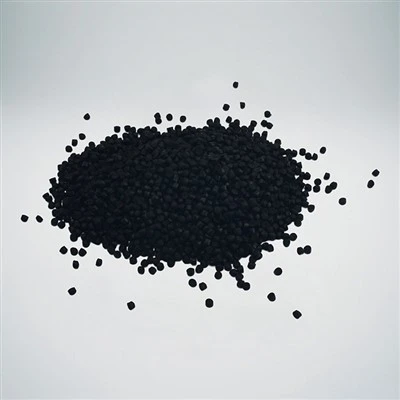
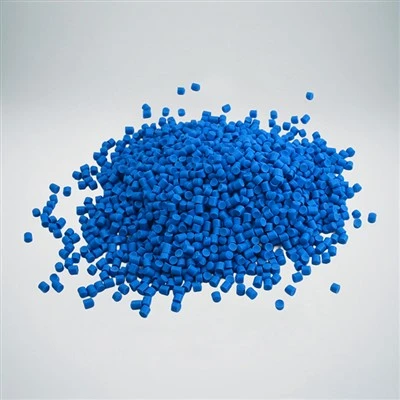
TPE is a material that combines rubber-like elasticity with the re-processability characteristic of plastics. It retains flexibility and elasticity during processing without the need for vulcanization or cross-linking. TPR is a thermoplastic material that exhibits rubber-like elasticity at room temperature but can be plasticized and deformed at high temperatures. While it typically requires thermal processing for molding, it does not necessitate the vulcanization process required for traditional rubber.
Application Characteristics
Due to their excellent physical properties and re-processability, TPE materials are frequently used in applications such as disposable medical products, seals, hoses, and wire and cable sheathing. TPR materials, valued for their good weather, UV, and ozone resistance, are widely used in footwear, toys, and sports equipment. Additionally, TPR materials offer good impact resistance and wear resistance.
Performance Differences
Regarding physical properties, TPE generally offers superior elasticity and tensile properties, though its high-temperature resistance may be inferior to that of TPR. TPR materials demonstrate greater stability in physical properties at elevated temperatures; specifically, their shape and performance are less likely to change in high-temperature environments. There are also differences in hardness, wear resistance, and aging resistance. In terms of cost, TPE materials are often more economical than certain types of TPR materials.
Summary
In summary, while both TPE and TPR are thermoplastic materials, they differ significantly in terms of application, performance, and cost. The choice of material depends on specific application requirements and conditions. Therefore, when designing products, the most suitable material should be selected based on a thorough assessment of the actual circumstances. We hope this information helps you better understand the differences between these two materials.